Signe Persson - Melin
1925 - 2022
Biography
Signe Persson-Melin must have been born to be a ceramicist.
“The clay becomes your life, it absorbs you. Sitting at the wheel you feel just what this clay can express. Each clay is different. One you can tame, another is unresponsive. One wants to graduate to a fine edge, another to a thick one. The clay decides the vessel’s weight and thickness, whether the opening will be wide or thin.” This is how she has described her life with her material.
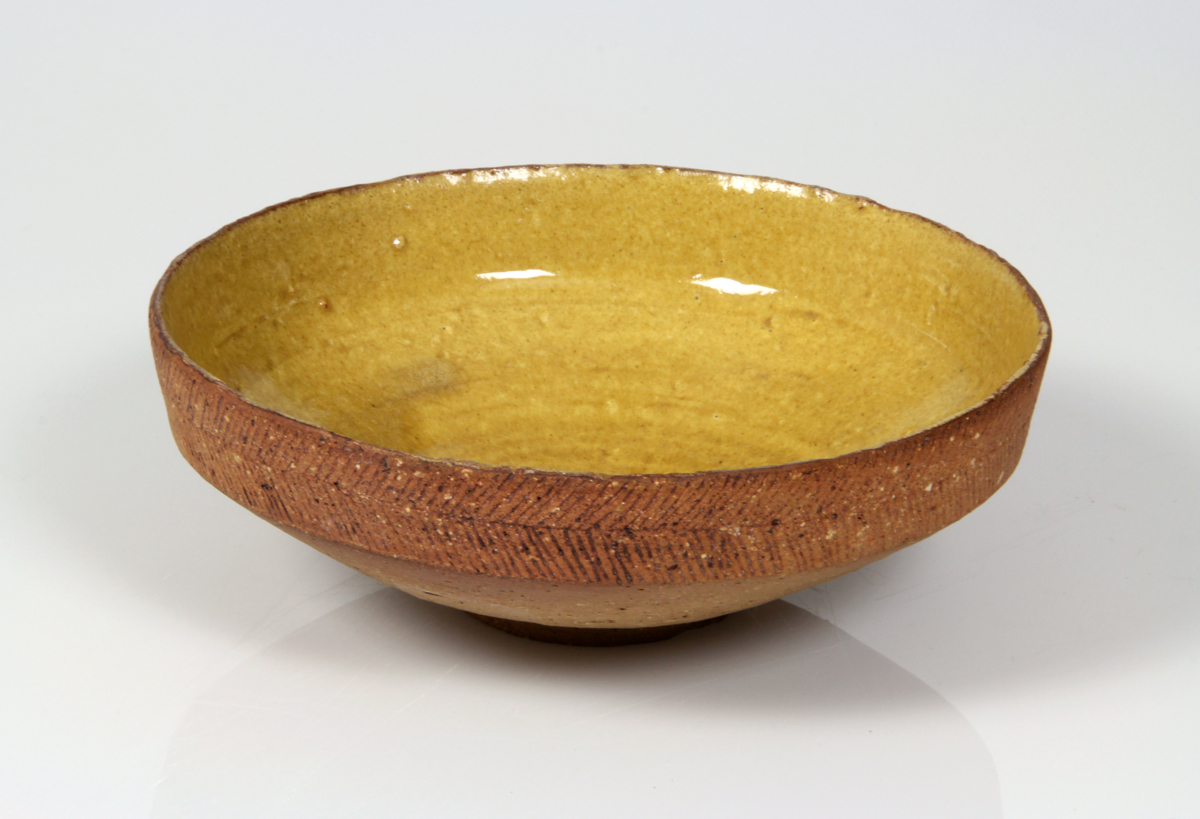
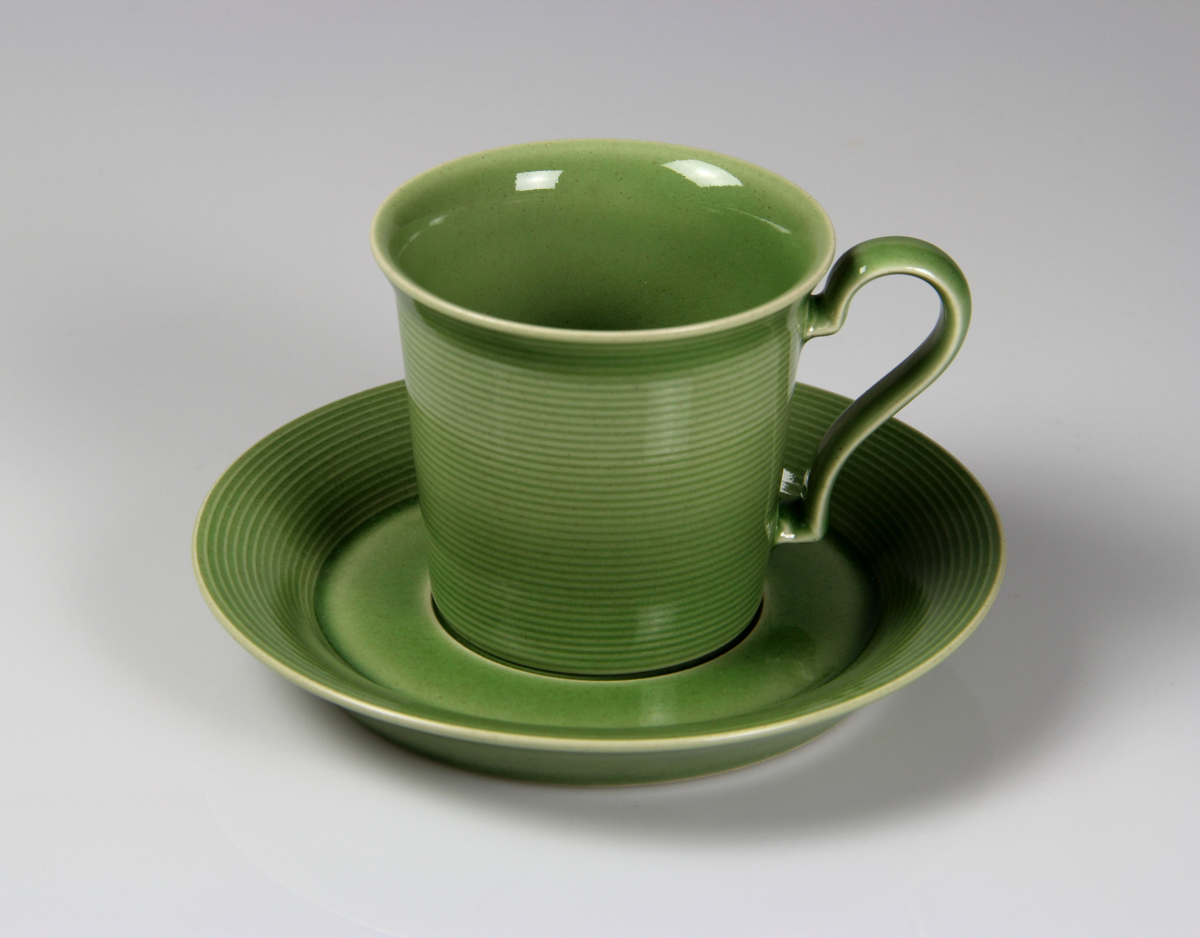
Even when she was a teenager, Signe Persson knew what she wanted to be. In 1943, in upper secondary school, she left school to start an apprenticeship at Lomma Ler & Keramik outside Malmö, then moving to Andersson & Johansson, a small ceramics factory in Höganäs. The coal-fired kilns were in the cellar, where the green and yellow glazed pottery was fired. Soft, sophisticated green and honey yellow are two colours she often uses.
The people at and around the factory came to mean a great deal to her attitude to the clays, glazes and artistry. Conversations with the sculpture Robert Nilsson, who worked with Andersson & Johansson, and his wife, textile artist Barbro Nilsson, who was head teacher at Tekniska skolan (now Konstfack), sharpened her sense of shape, texture, colour and artistic expression.
She applied to Tekniska skolan’s ceramics department in 1944. But the opportunities to use a wheel, clays and glazes were limited and, before the spring term of 1946, she decided to switch to the more solidly crafts based and technically focused Kunsthåndvaerkerskolen (arts and crafts school) in Copenhagen. In 1948, after passing her journeyman test, she was back at Andersson & Johansson, Höganäskeramik.
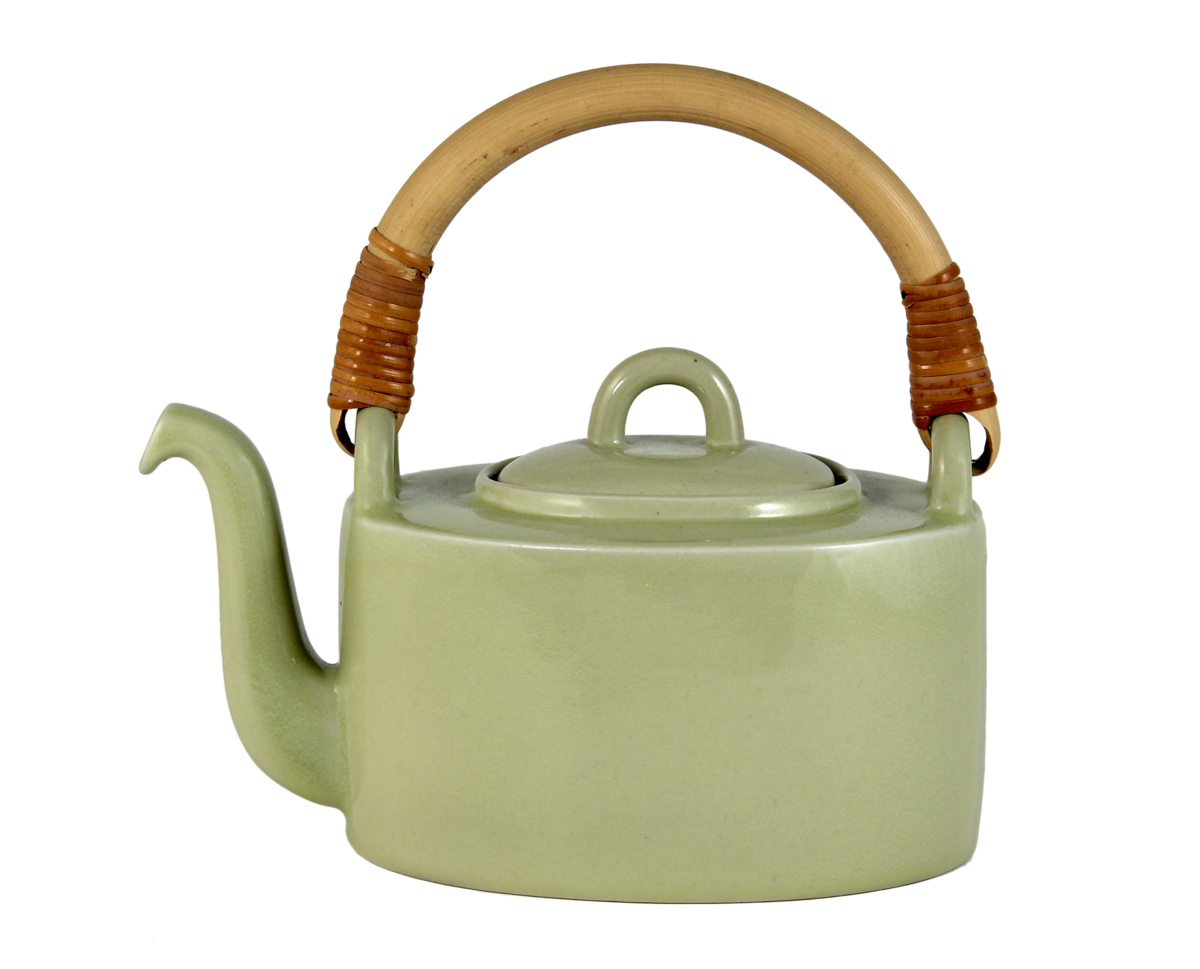
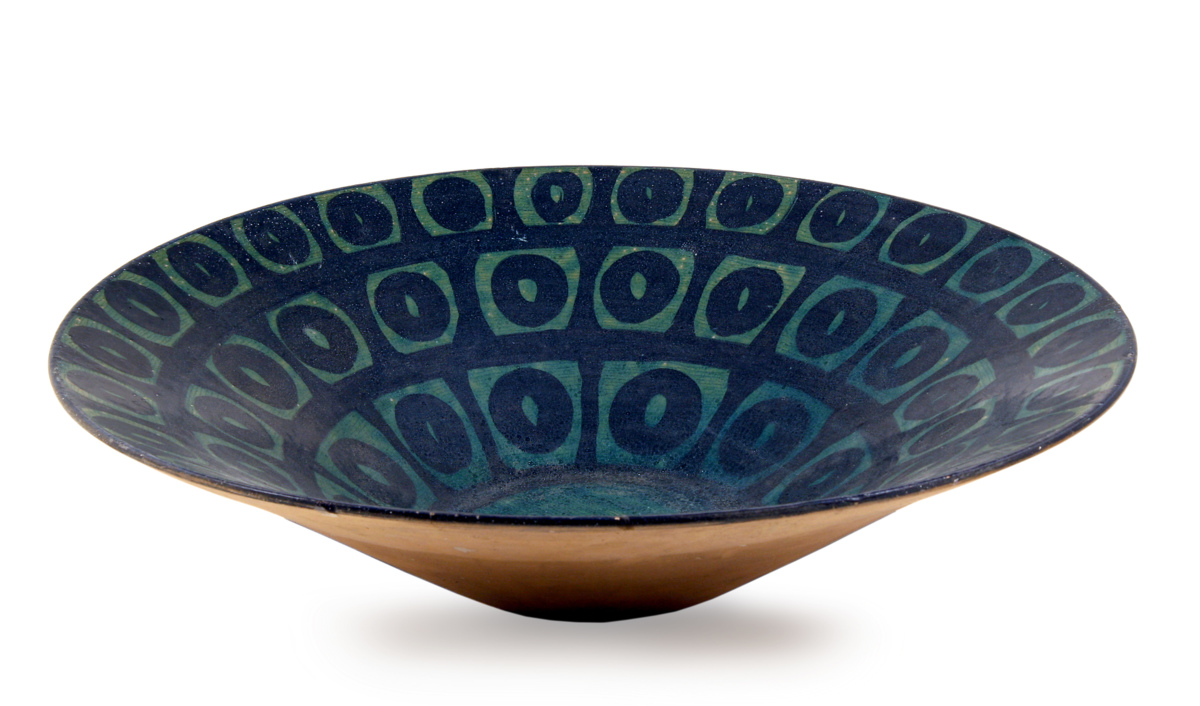
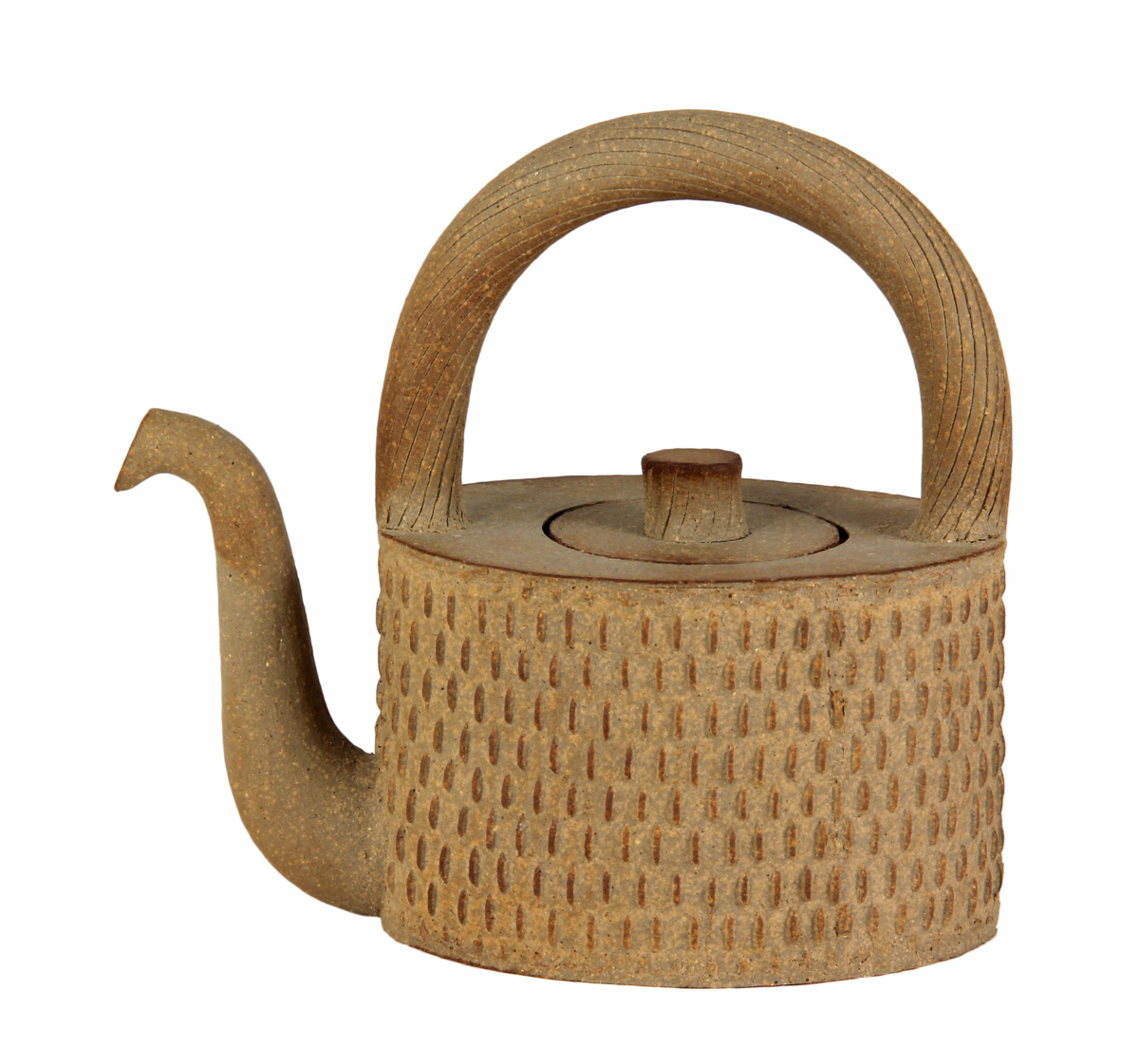
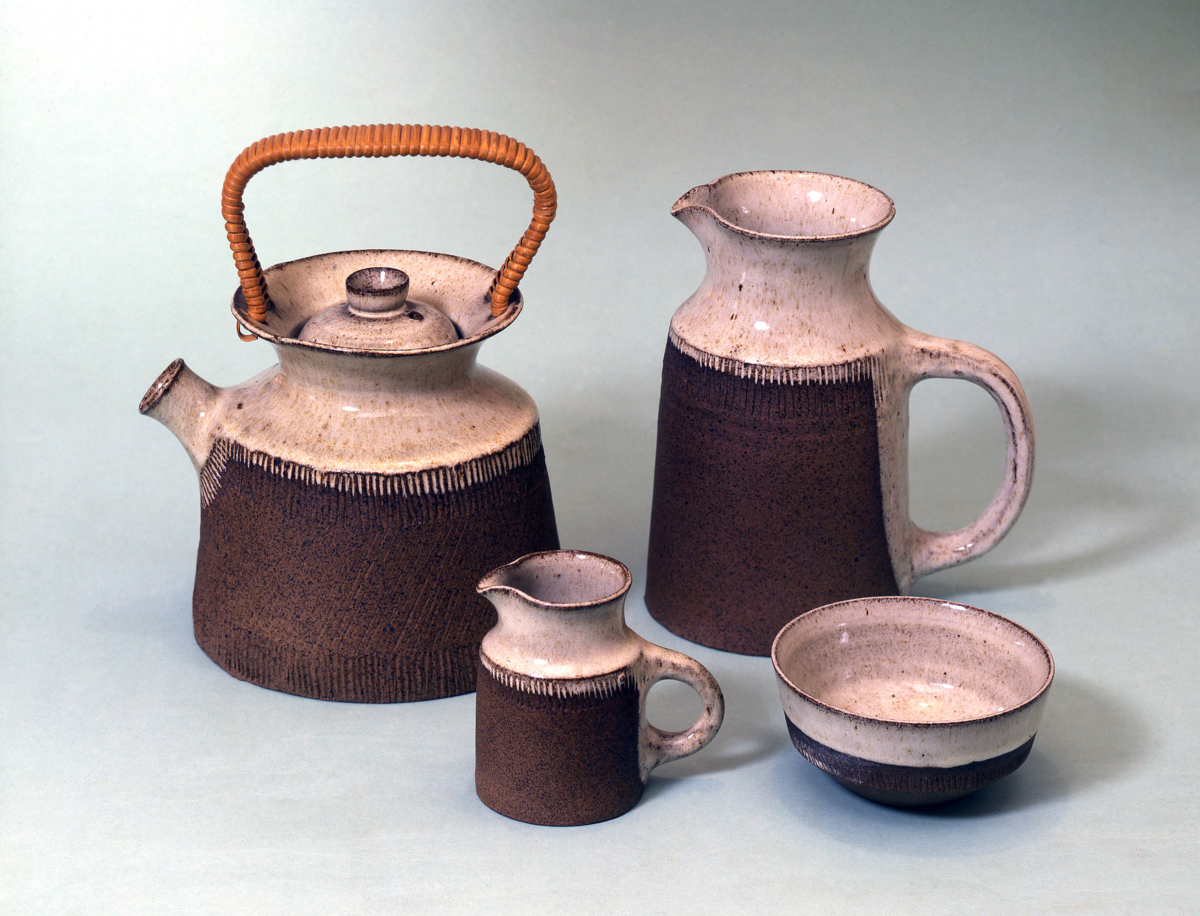
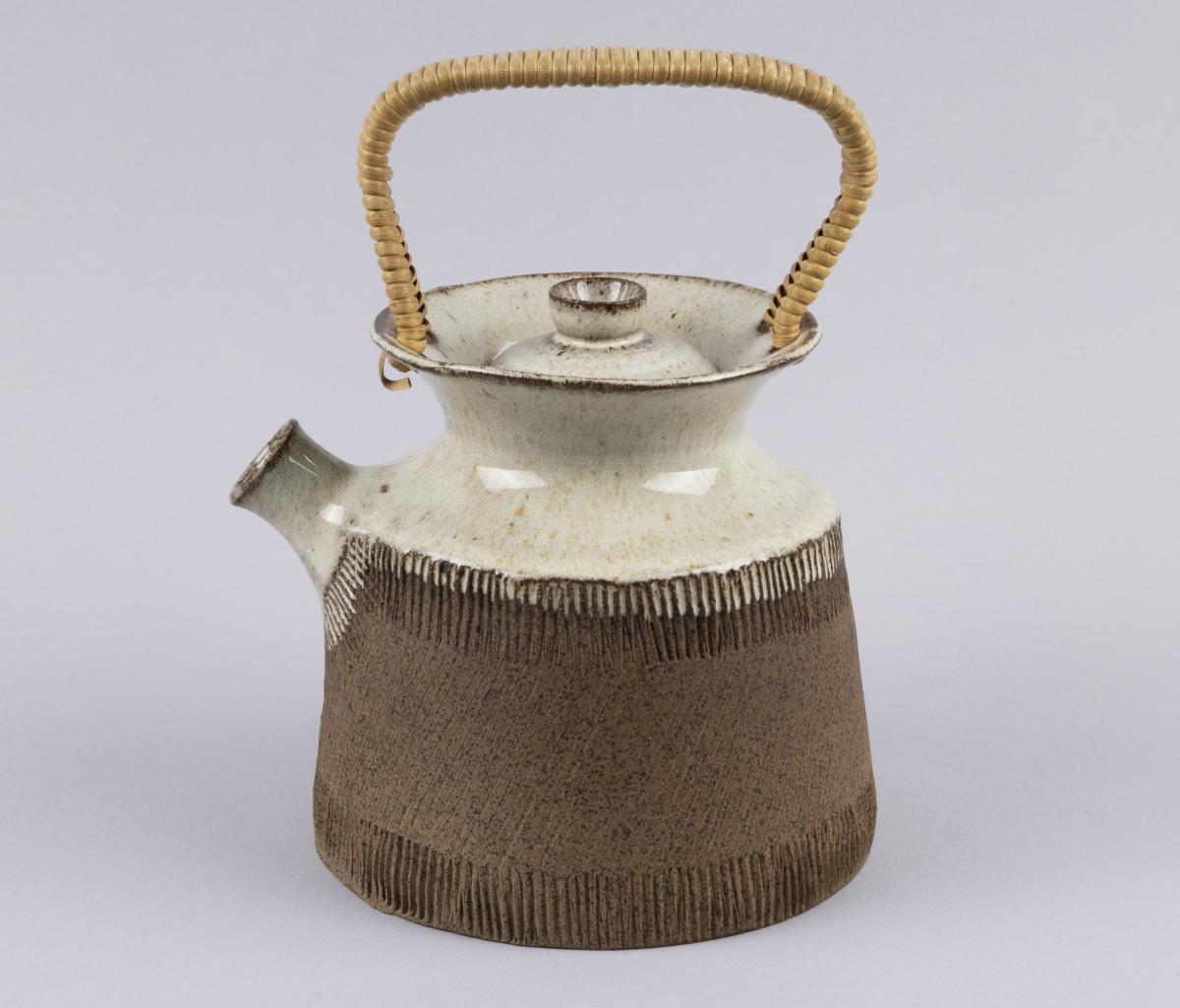
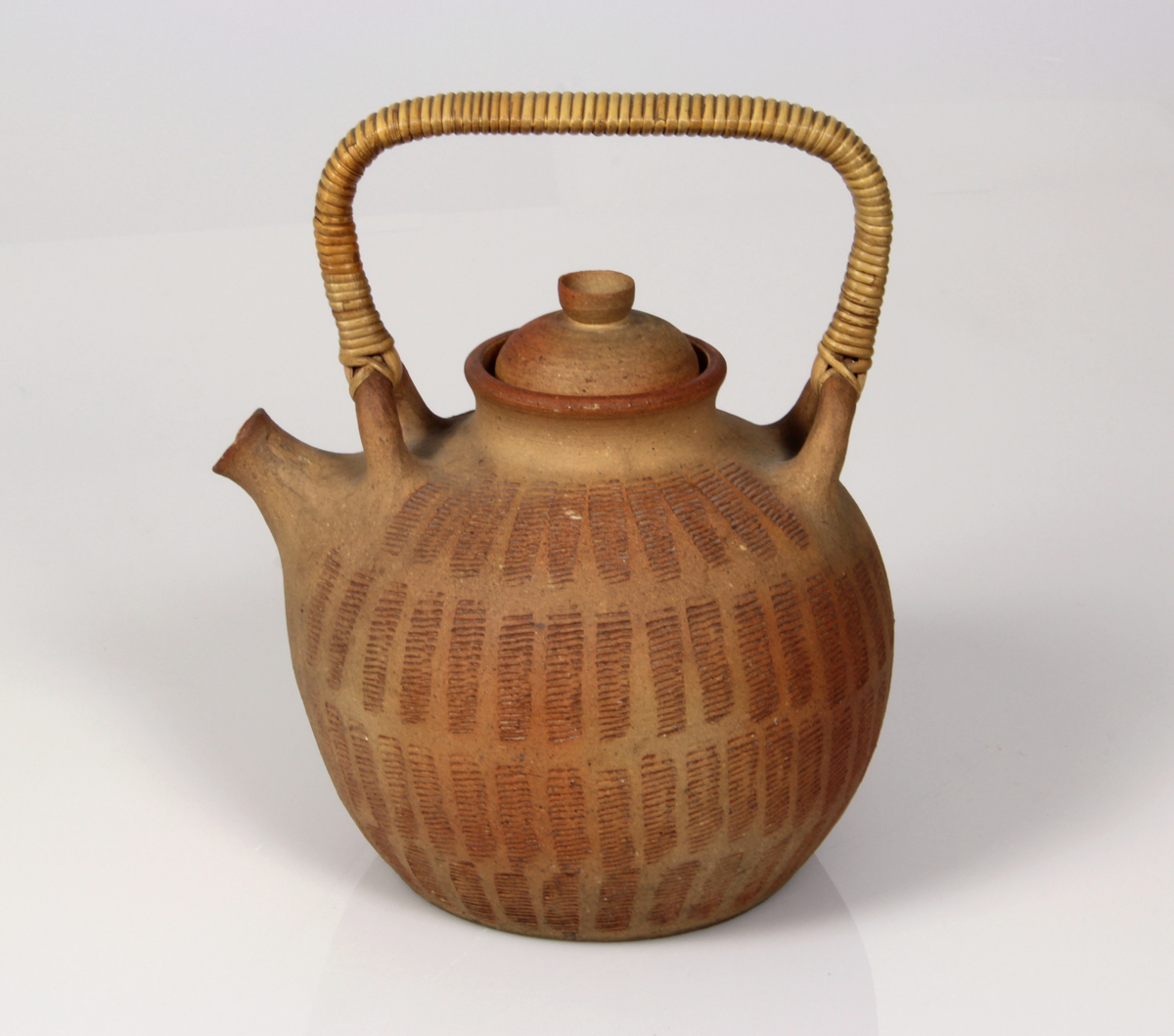
In 1949 she participated in a joint exhibition of items made by designers and architects from the south of Sweden. He showed two teapots and some large ceramic plates decorated with fish. Her uniqueness was already clear. Her form and decoration conveyed sprightly spontaneity. The etched and painted decoration brought the clay’s plasticity into its own. The items have a steadiness.
In the autumn of 1949 she chose to be a special student on Konstfack’s sculpture course, where Robert Nilsson was the head teacher. She was back in Malmö in the summer of 1950, and made a small workshop in the cellar of one of the terraced houses in Friluftsstaden. One year later she moved to larger premises to have enough space for her new, large electric kiln. She employed a Danish potter in 1952, Ernst Christensen from Ler & Keramik in Lomma.
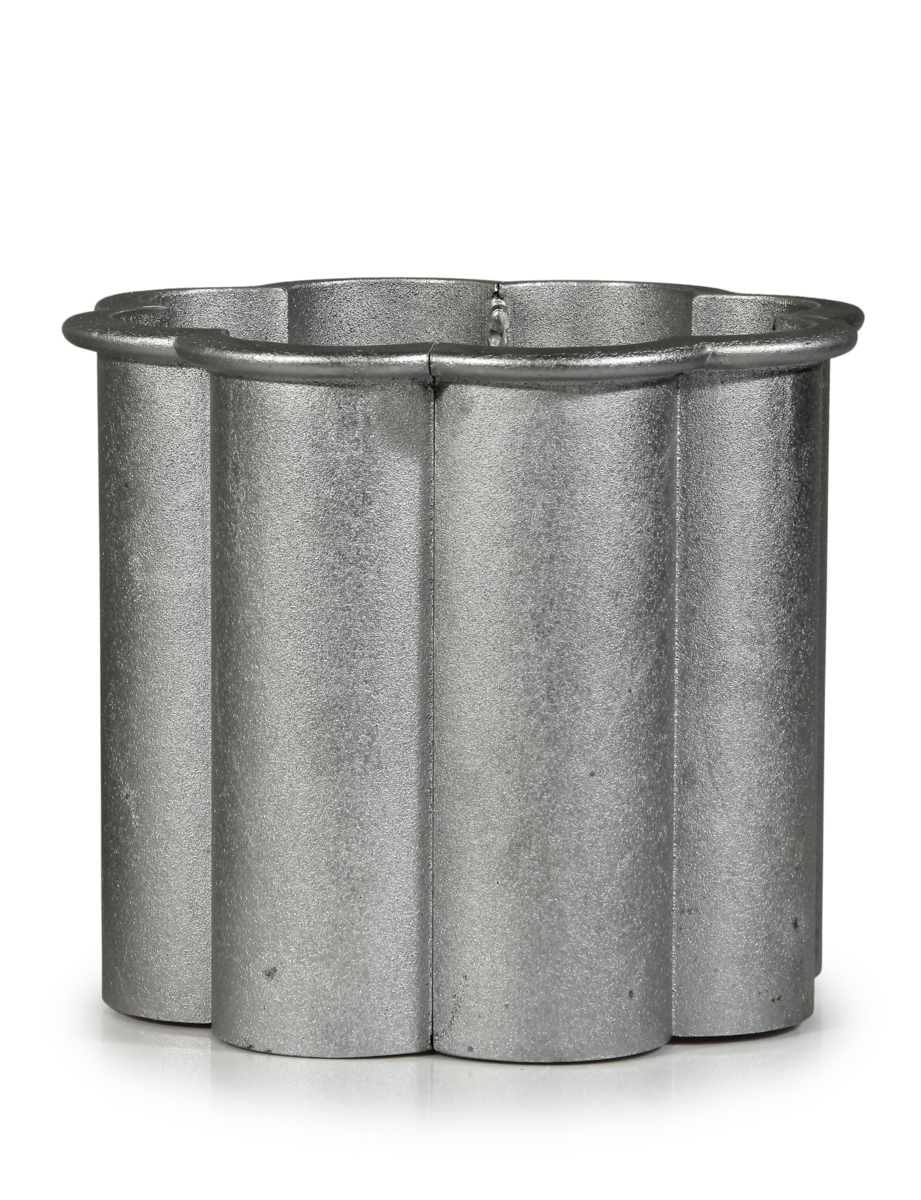
Signe Persson-Melin has thus been active for more than 50 years, as a craftsman, ceramicist, an artist in a number of public art projects and as an industrial designer. In addition to a number of glass, stoneware and porcelain services, she has designed pots, teapots, cutlery, birdbaths, and garden pots in stoneware, Eternit (fibre cement), aluminium and bronze.
Her beer and spirits glasses, Ruben, went into production at Boda in 1967. It was a glass service with a hand-finished rim, new at that time. Her husband, famous designer John Melin, made a small brochure/label that explained the technique and how it benefitted the customers. The packaging that he designed was also sharp, clean and understandable. A concept was born. The glasses Sill i Kvadrat and the Bouquet wine glass, with its refines little star, were presented in the same way.
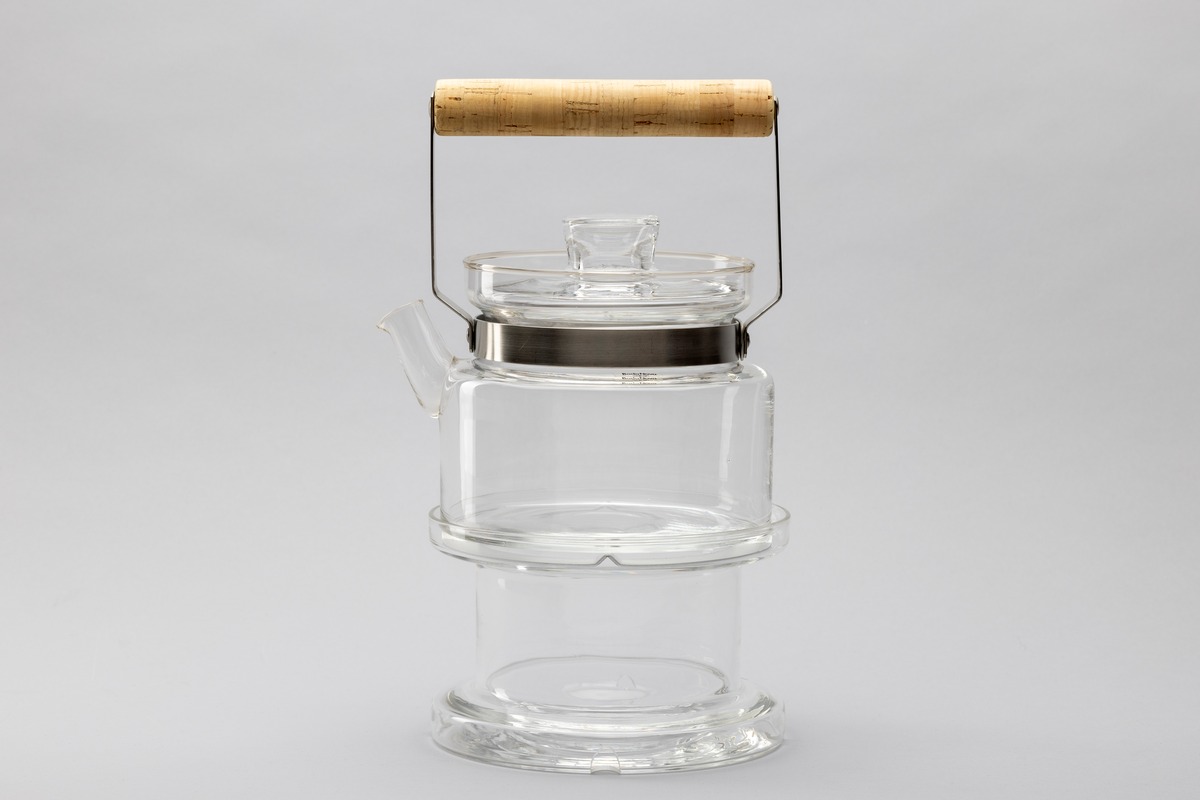
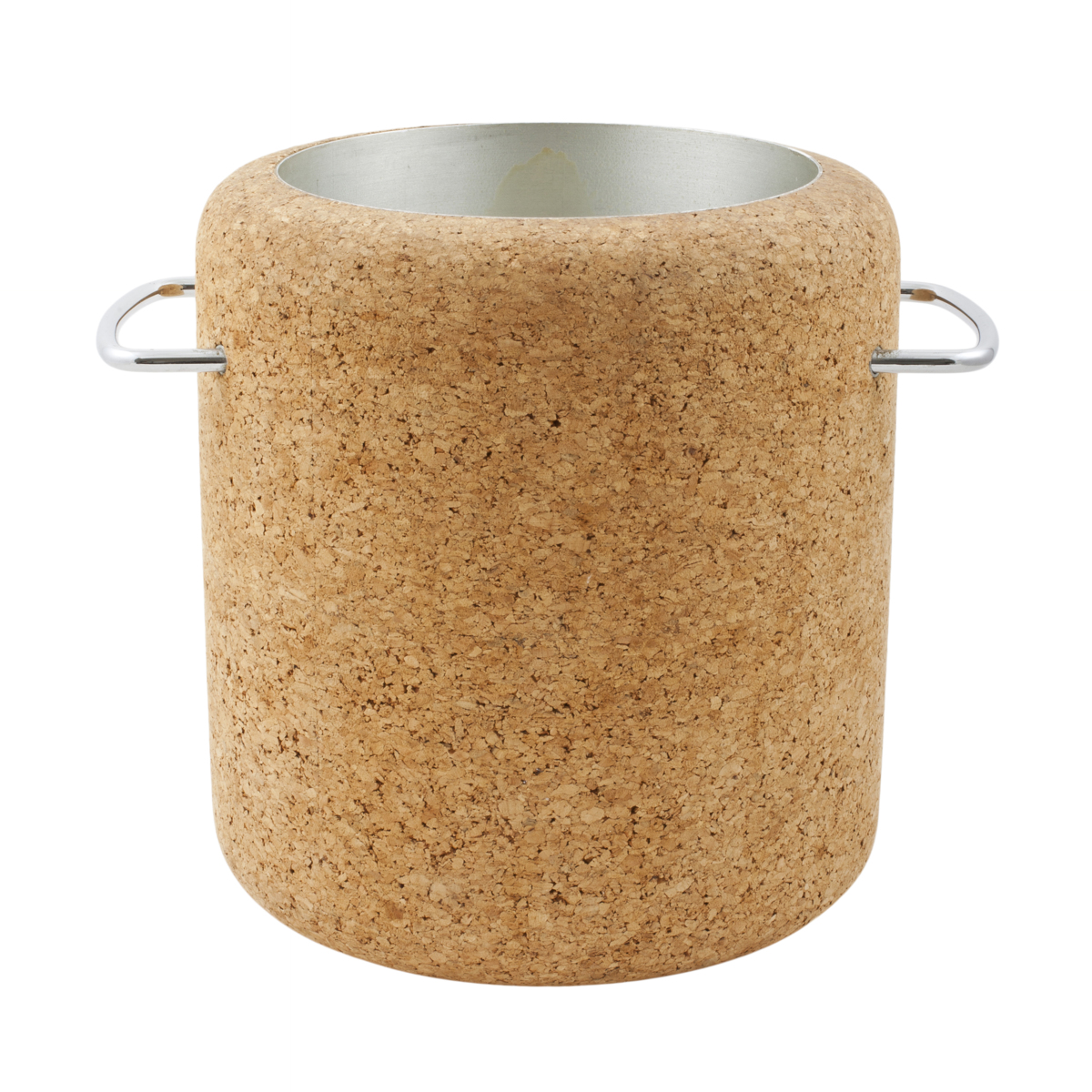
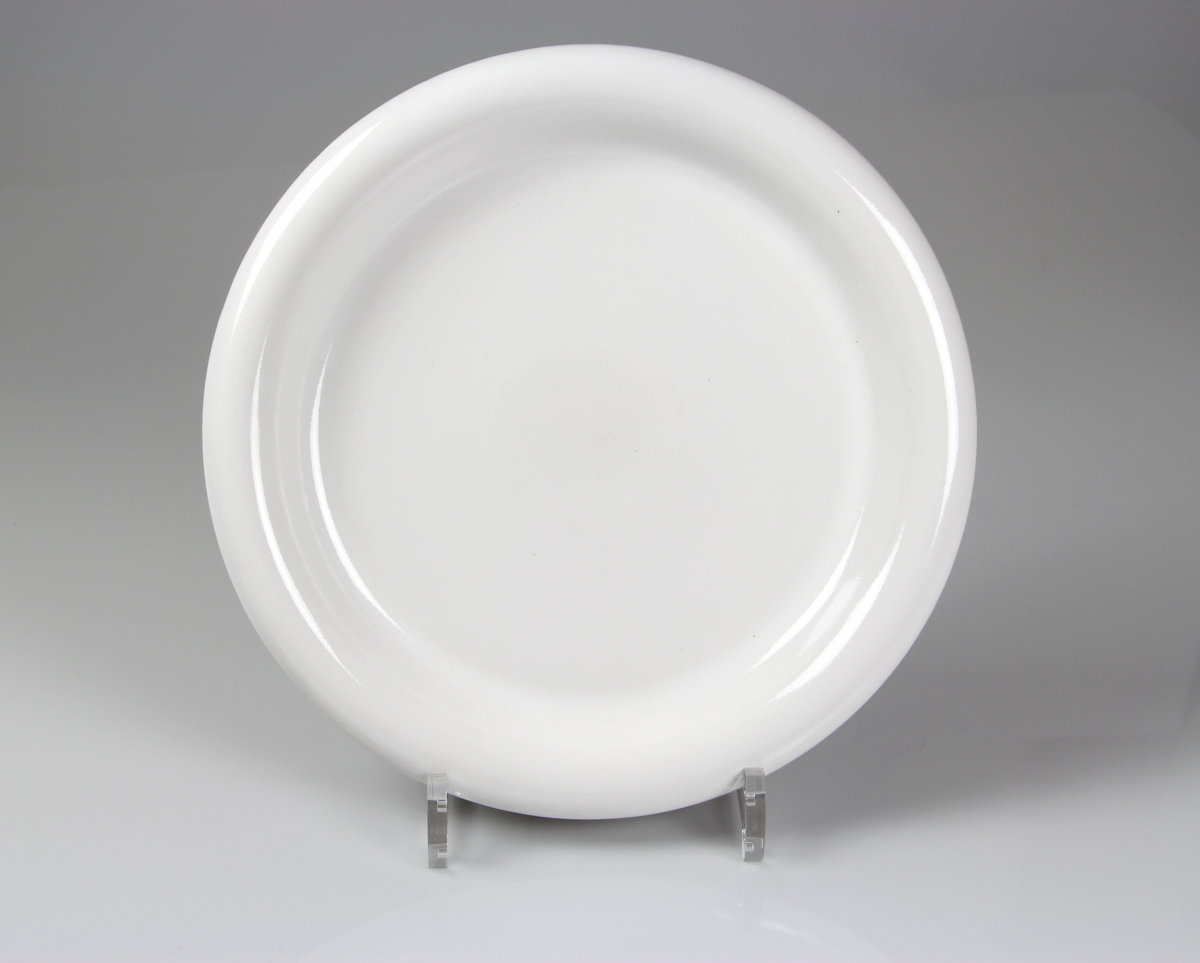
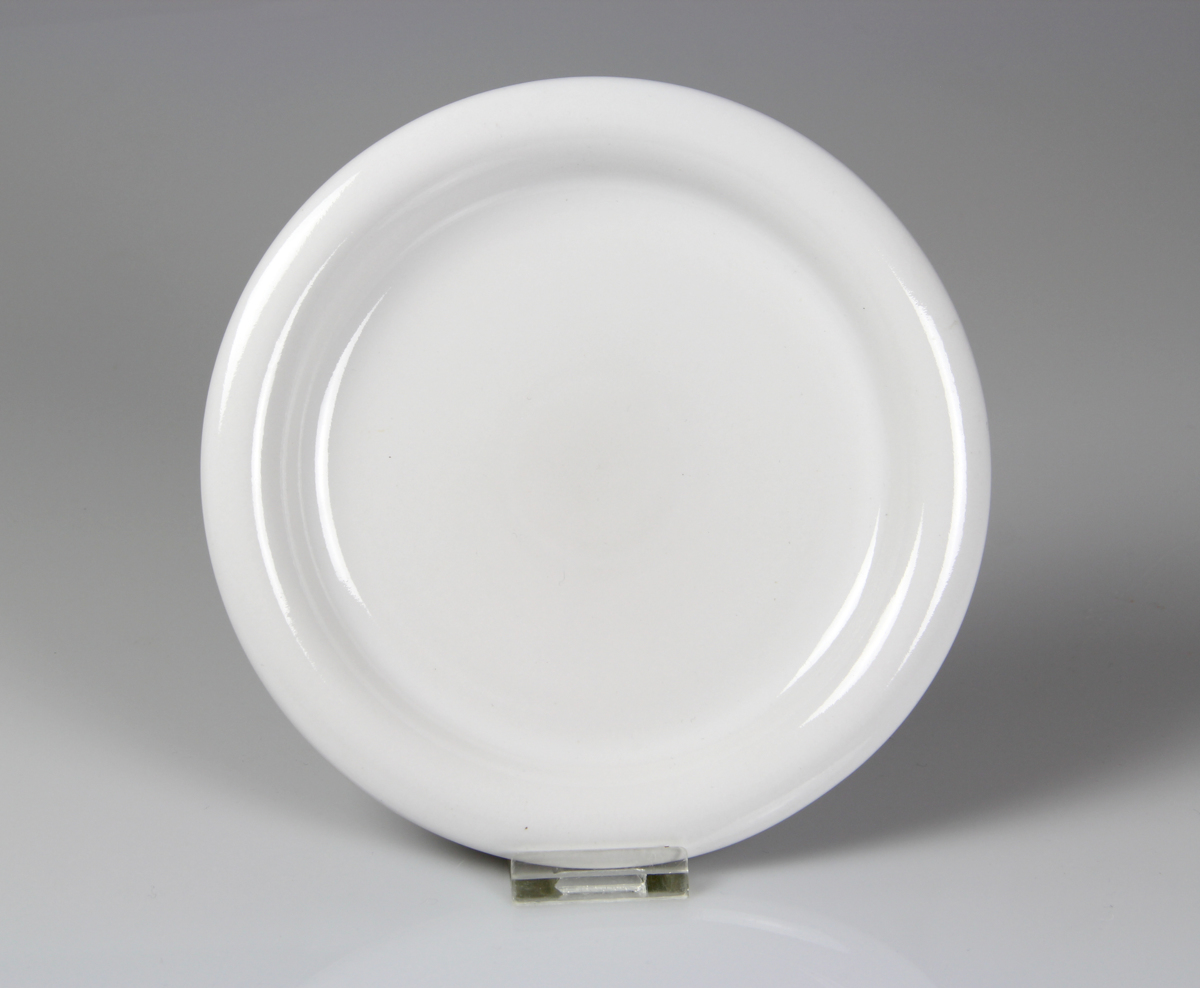
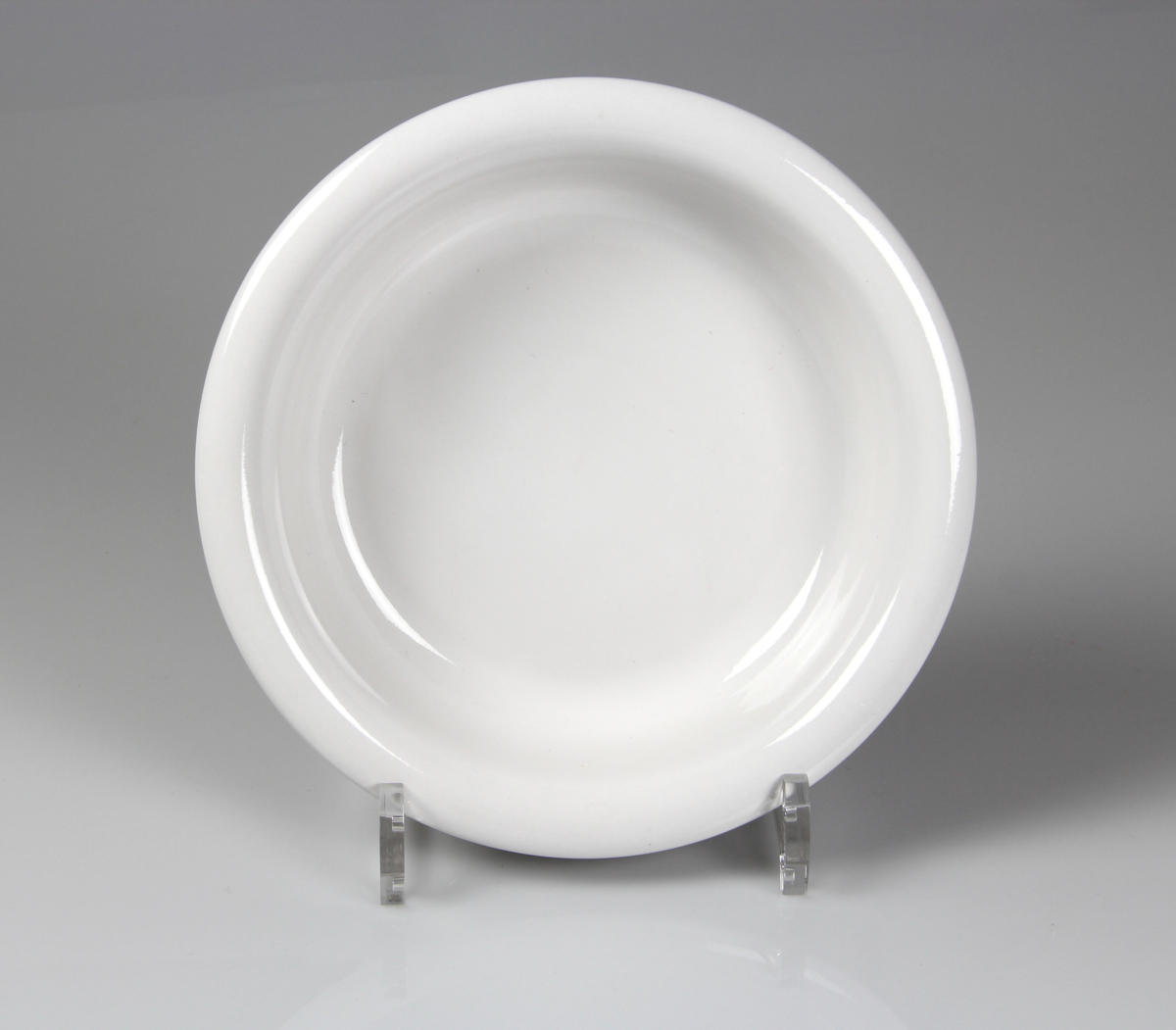
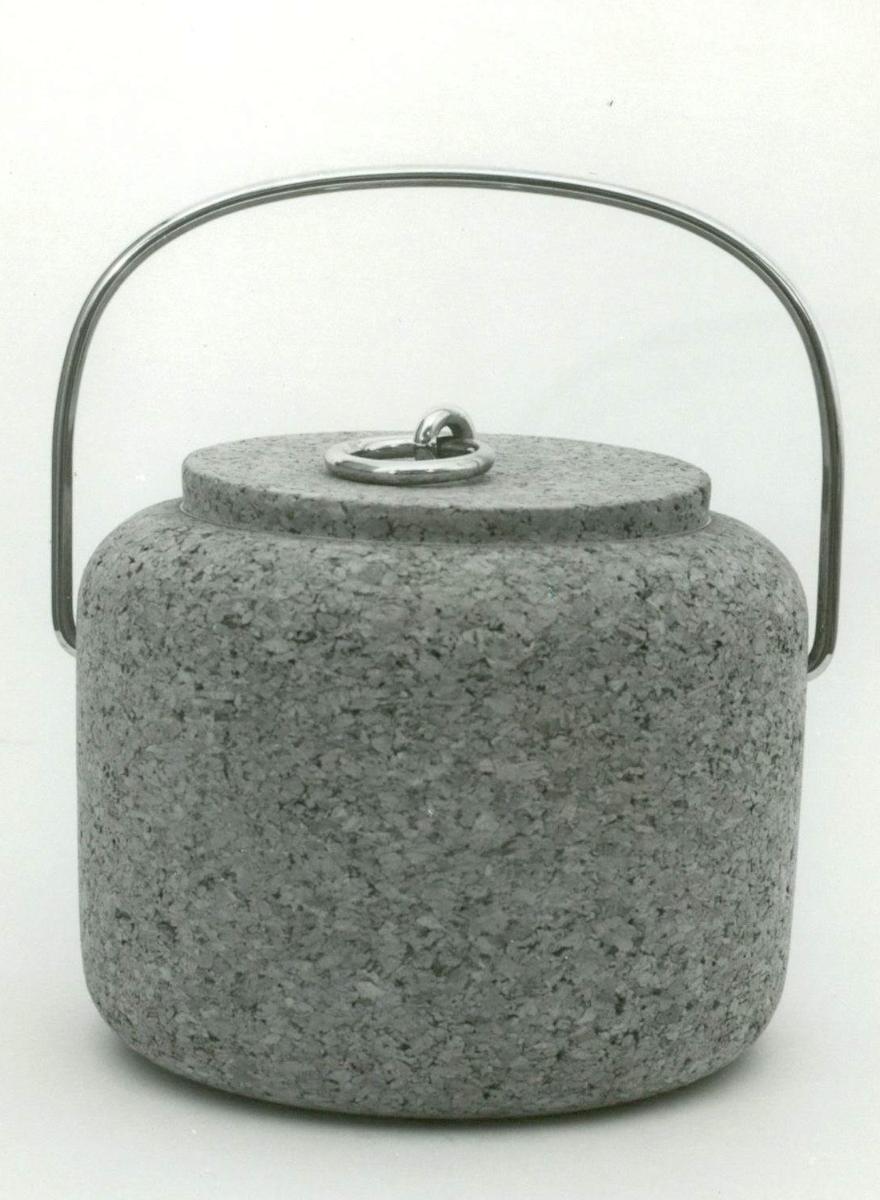
John Melin and Signe Persson-Melin worked with Kosta Boda’s manager, Erik Rosén, on an idea for an entire product programme for the table, named Boda Nova 1970. Signe Persson-Melin wanted vessels in uncoloured, transparent, refractory glass – a material that displays its contents beautifully. Tea and coffee pots, warmers, cups, plates and oven dishes were combined with cork underlays. A stoneware service, glazed either in white or black, and cutlery are also included in Boda Nova.
In 1980 she became attached to Rörstrand porcelain factory. In 1985 she was named professor at the department of glass and ceramics at Konstfack. She was thus the college’s first professor and Sweden’s first female professor of design.
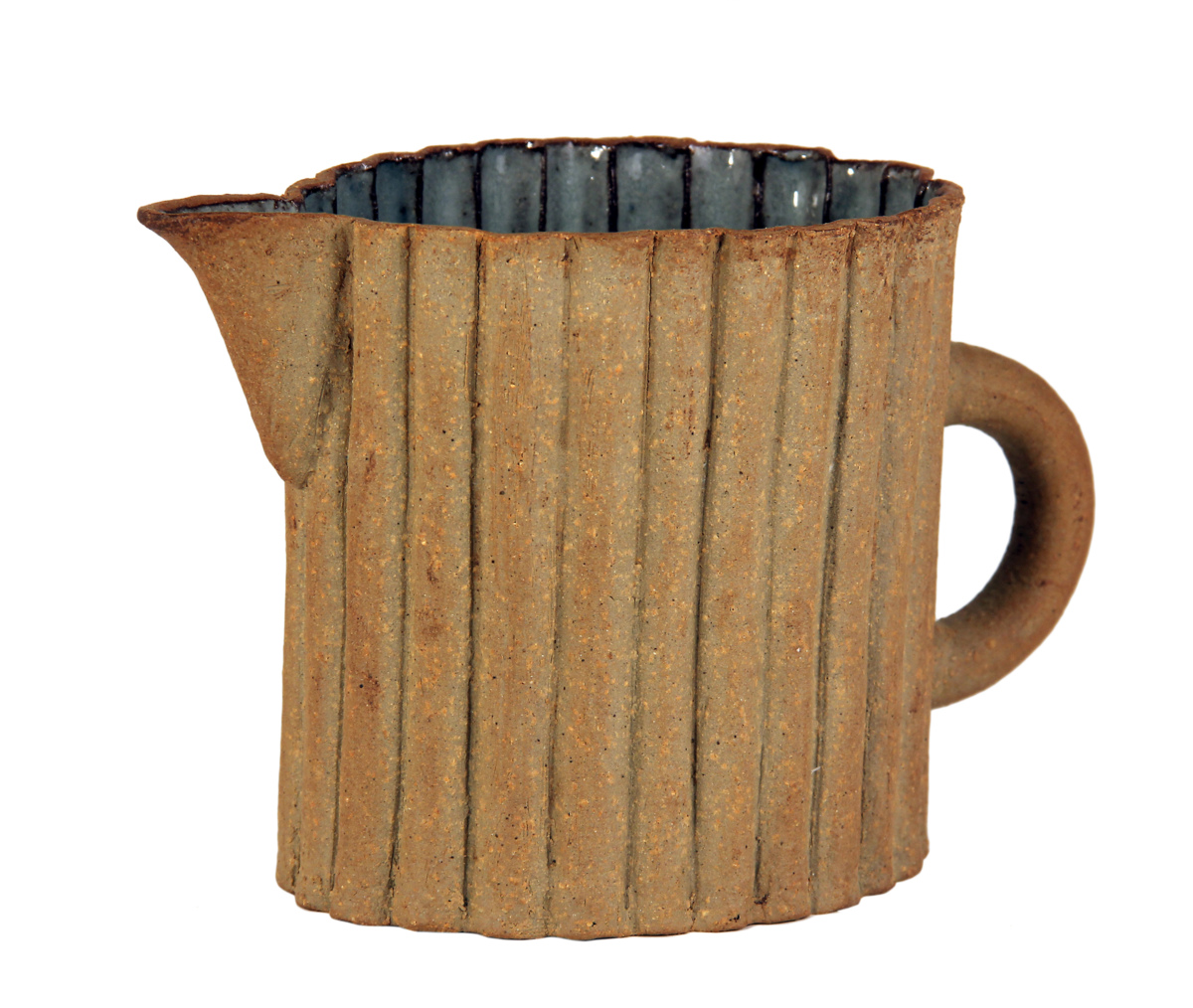
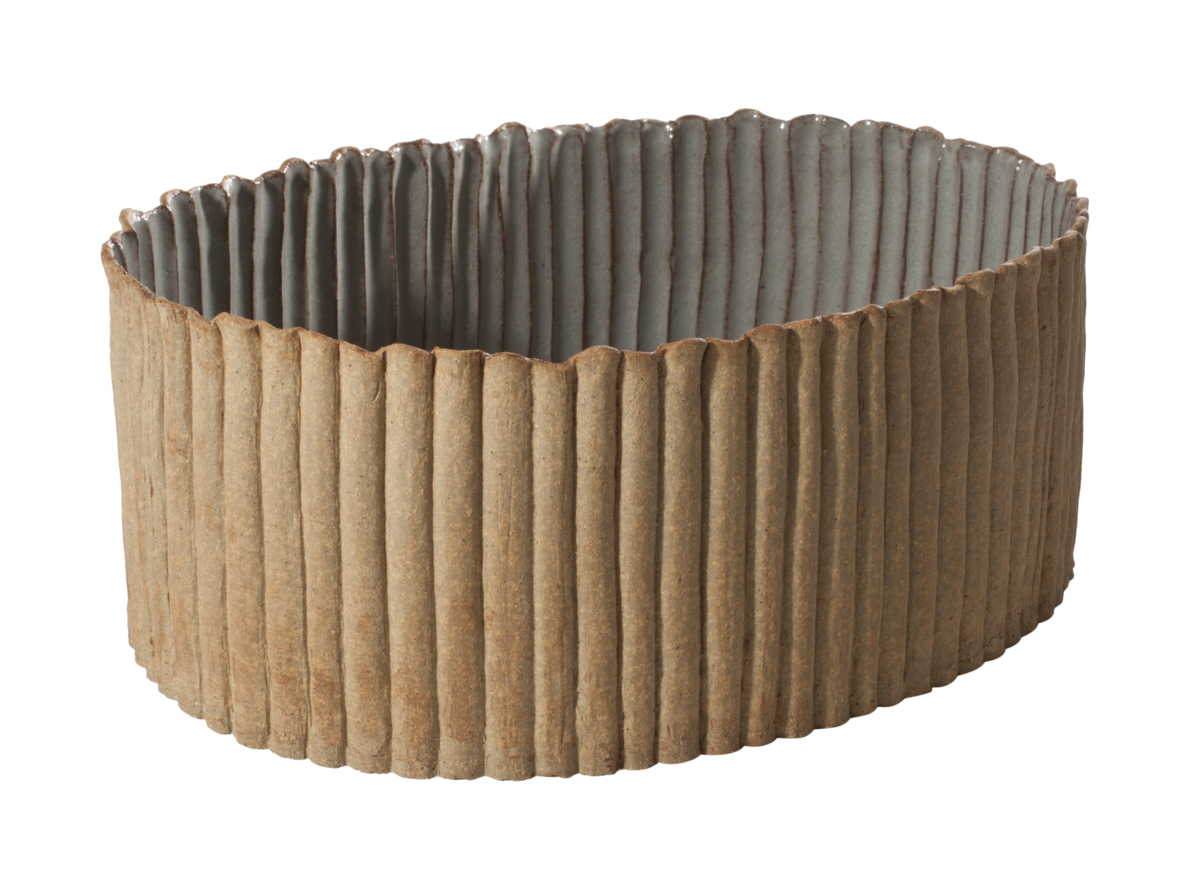
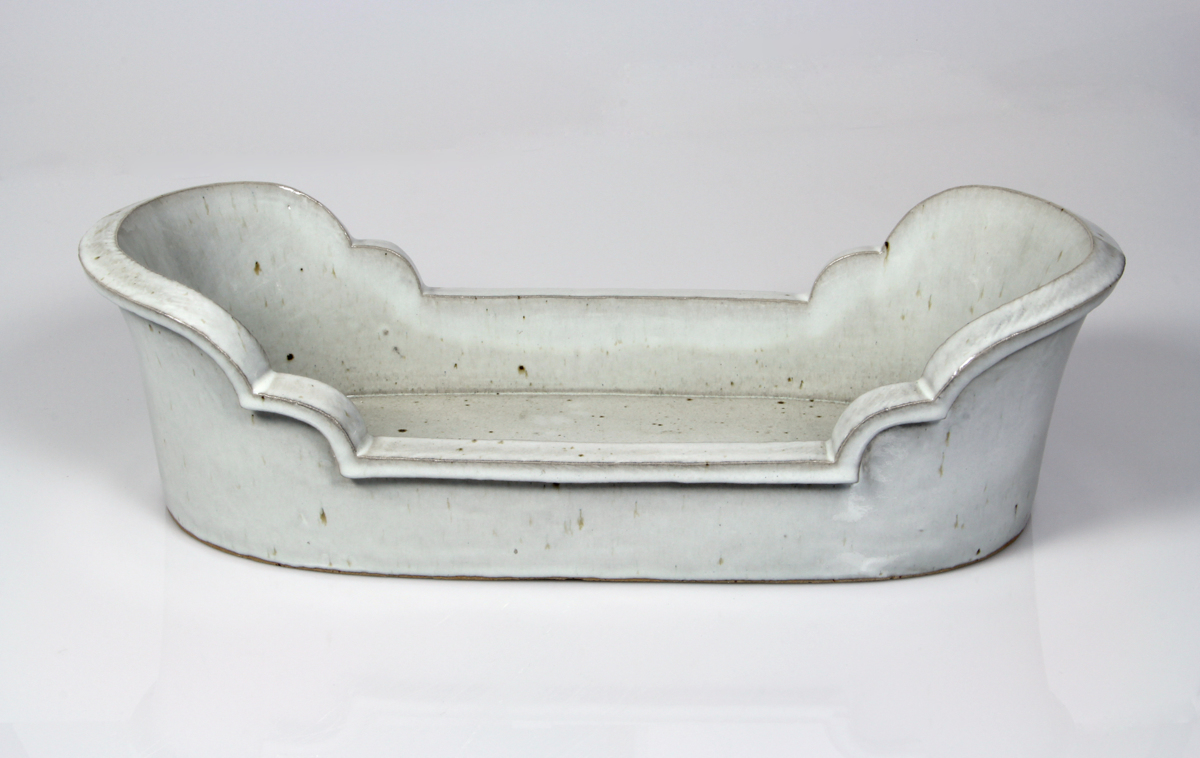
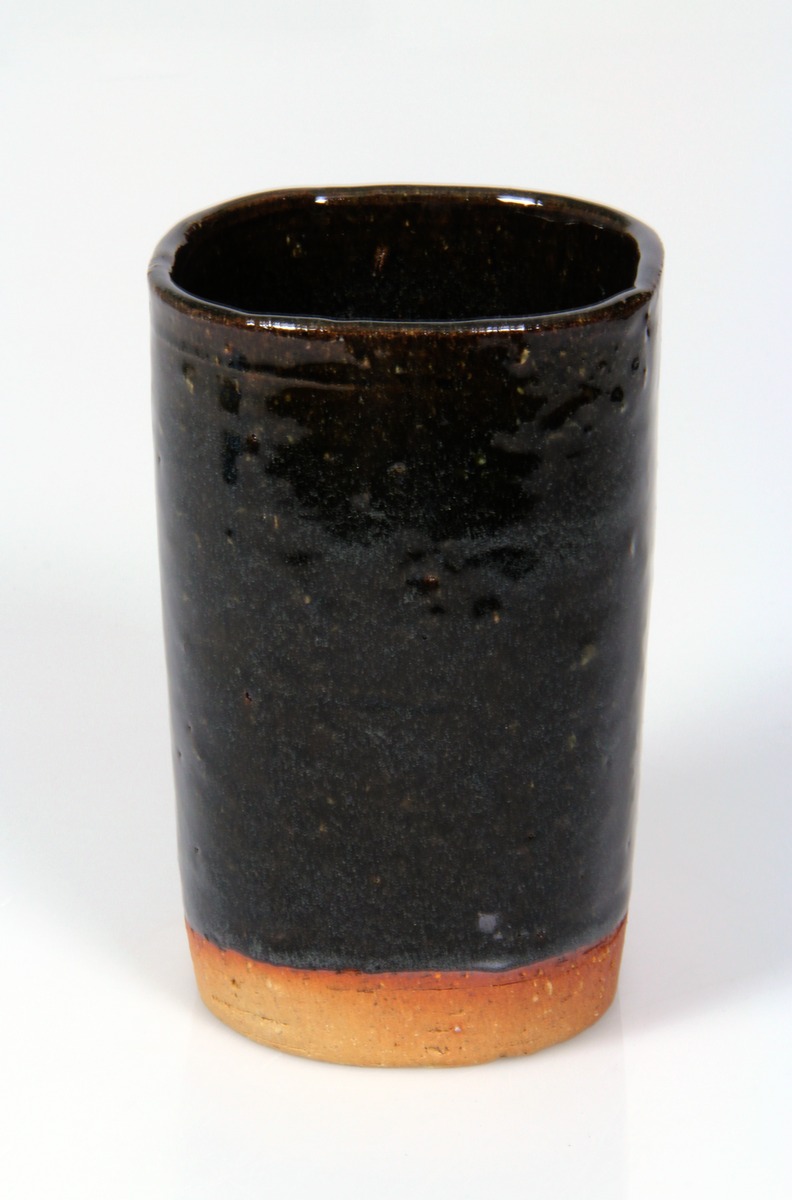
The tactile contact with the material is Signe Persson-Melin's driving force. Clay has a sensual charge. She gives it its final shape when it is as hard as leather. The geometric, four, six or eight-sided vessels have been beaten with a spatula as she holds them on the inside. She builds and cuts (just as in the exhibition’s sculptural Barcas vessel). The leathery surfaces are stamped or carved in rhythmic, undulating flows, with primitive and magical signs, into fascinating fishbone type borders and surfaces.
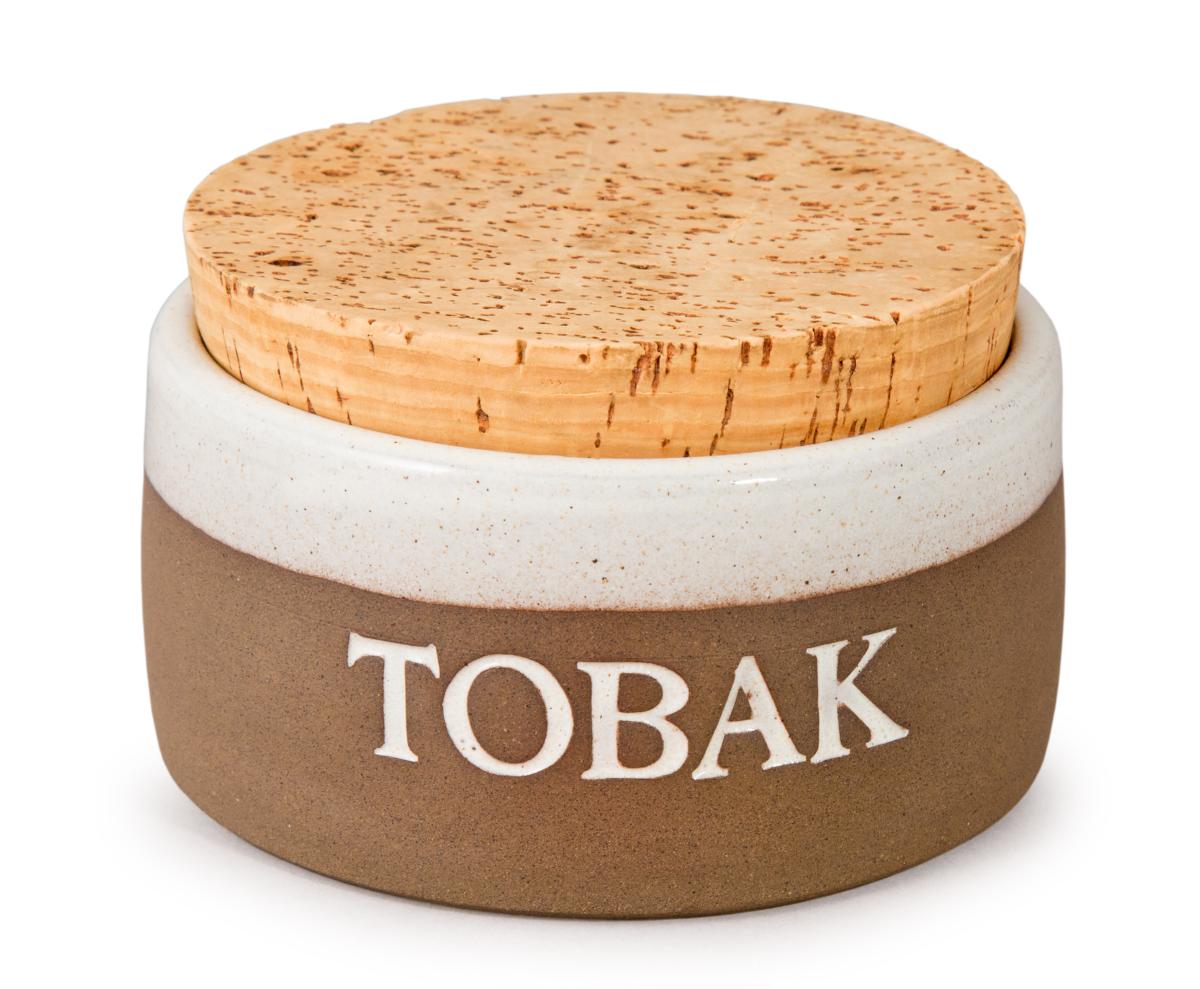
The gentle skews and irregularities, the combination of exposed and glazed textures, achieves a lively vibration. Even if, as mentioned, she has worked as a designer in other materials – glass, cork, metal, paper – clay in all its forms has been the basis of her creativity.
Her ceramics are down-to-earth and, like people, unique. For Signe Persson-Melin the items are individuals that she regards with a reflective and inquisitive eye. The look evaluates but does not judge. The objects are guided through the process. She critically and professionally reviews shapes and details so that materials and technologies will be done justice. It's about respect for the integrity and personality of the item.
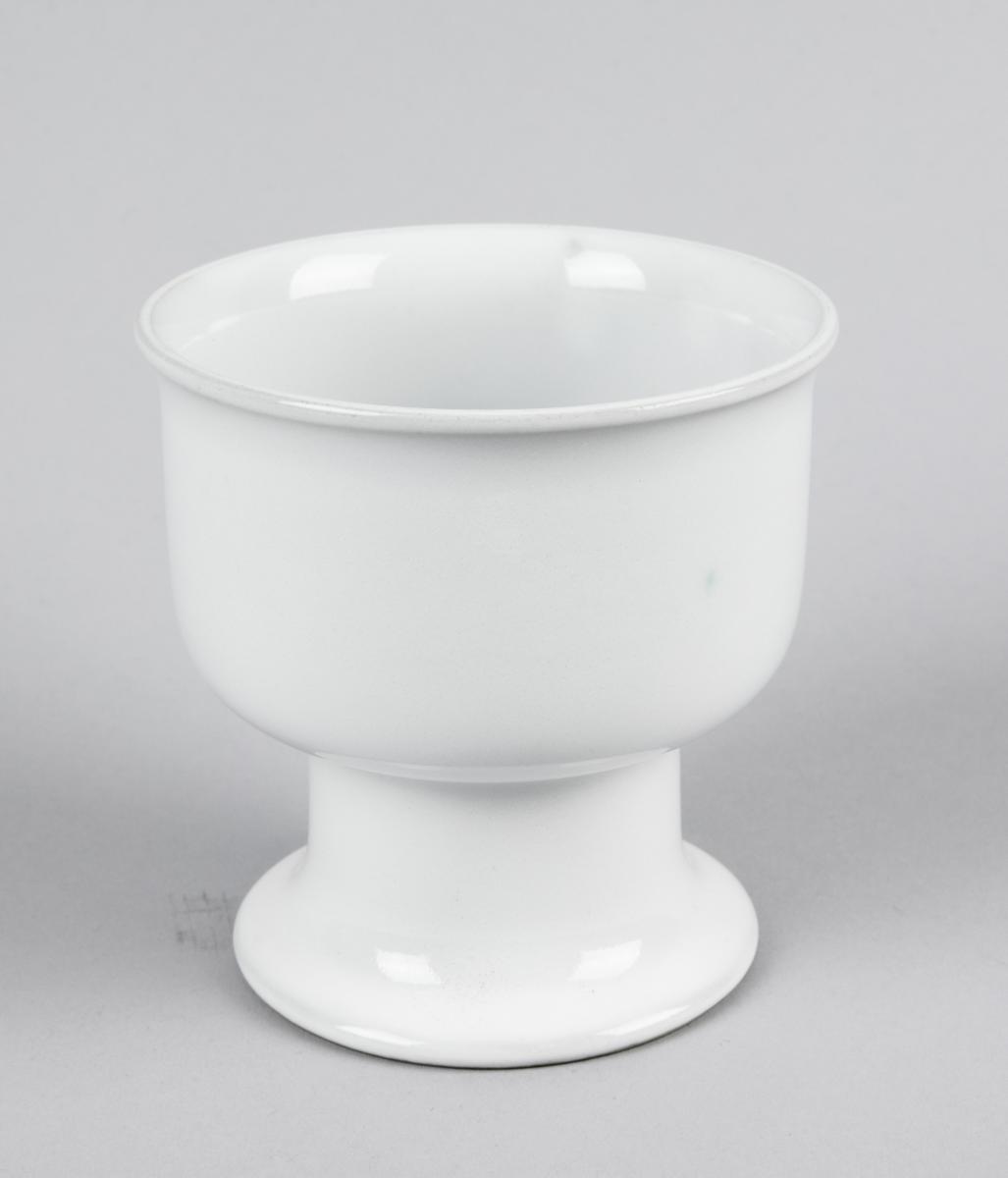
Generosity and enthusiasm are the qualities that I first associate with Signe Persson-Melin. These feelings symbolise her pokals in different sizes and for many different needs. The handmade stoneware pokals in were in production from the mid-1950s, the black and white were industrially produced in the Boda Nova service from 1971, the large blue and white shimmering glass pokals from 1985 for summer flowers, pokal-shaped bowls for soups and salads… Pokals that lift their contents invitingly, whether they are drinks, food or a bouquet.
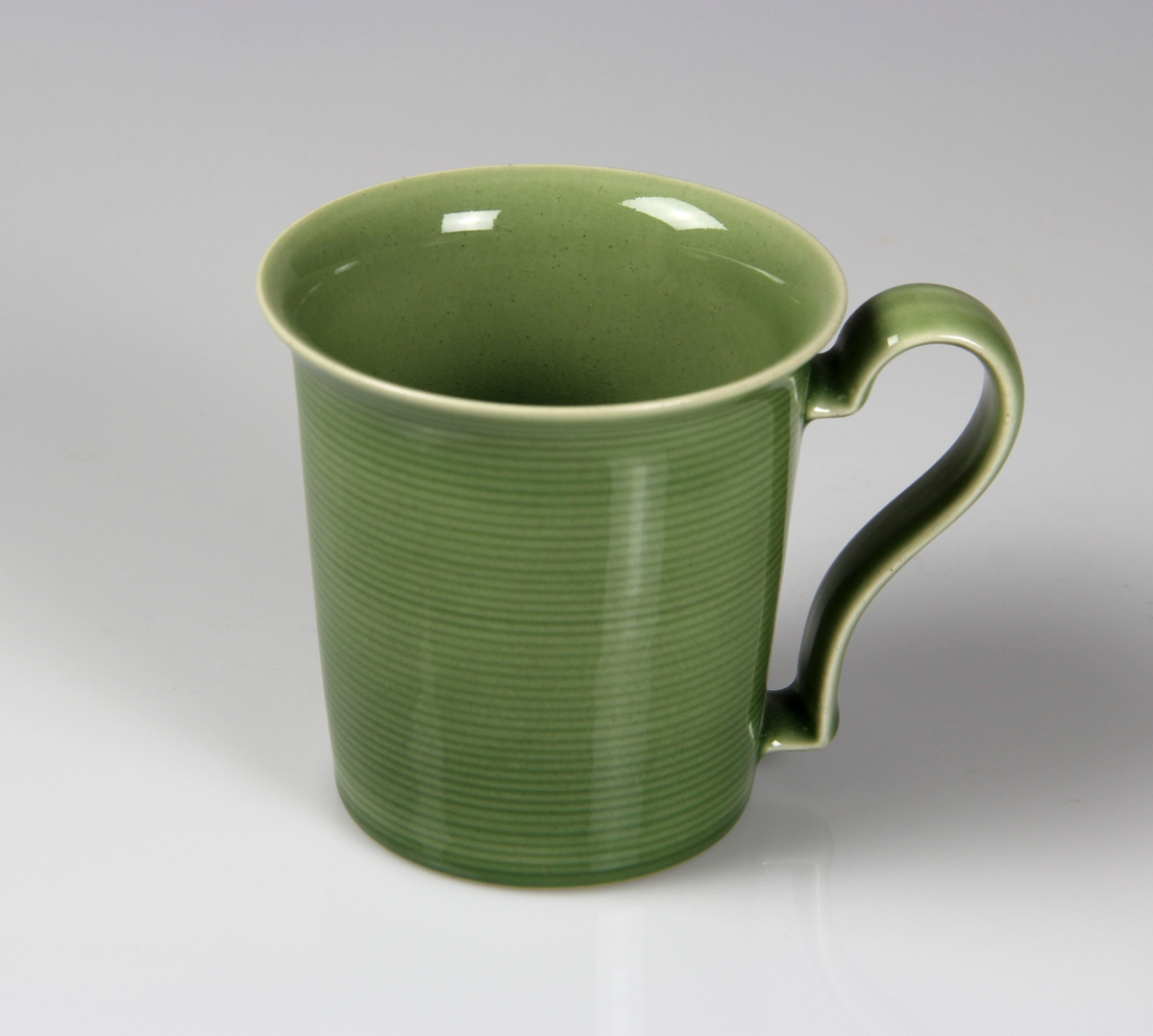
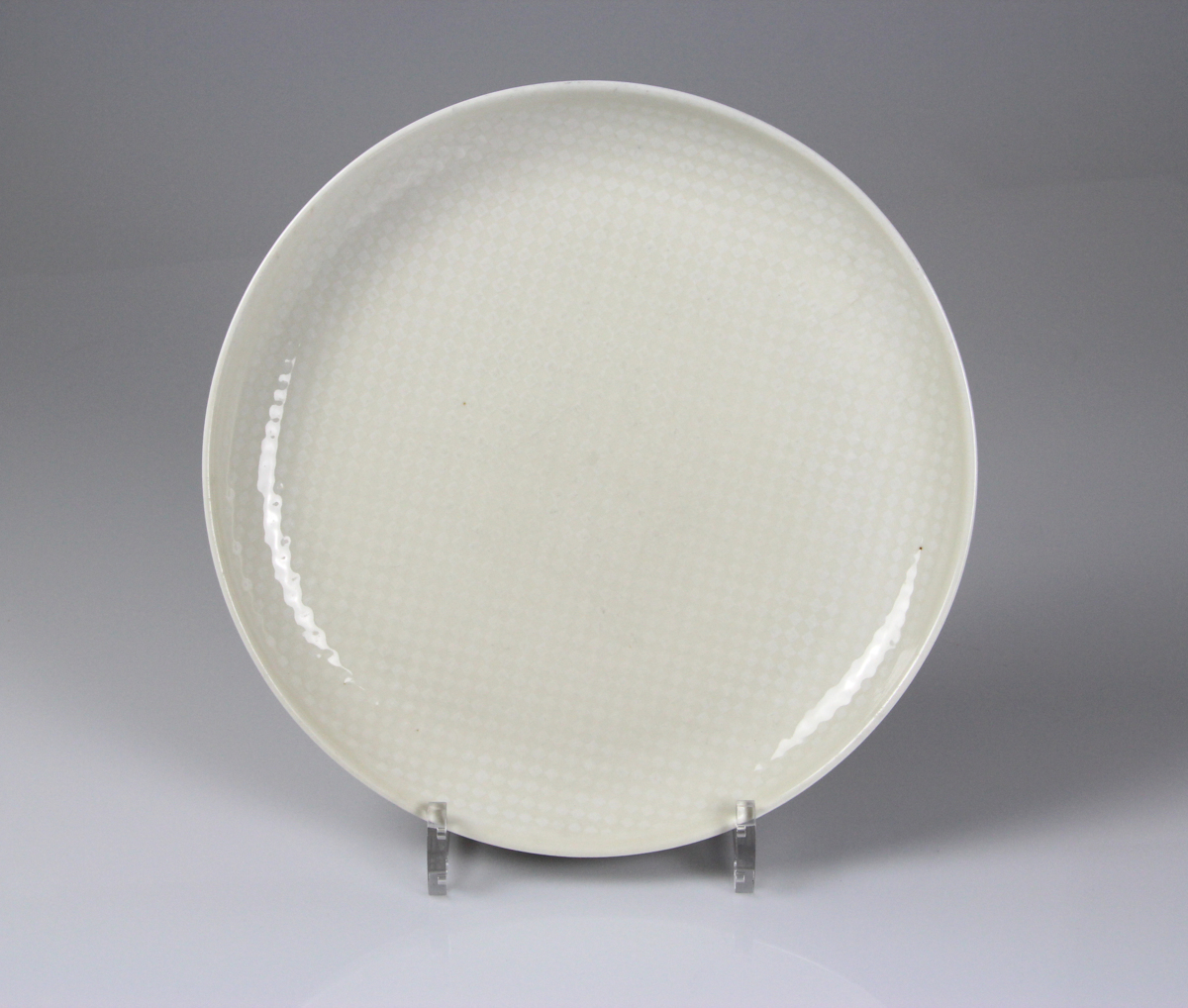
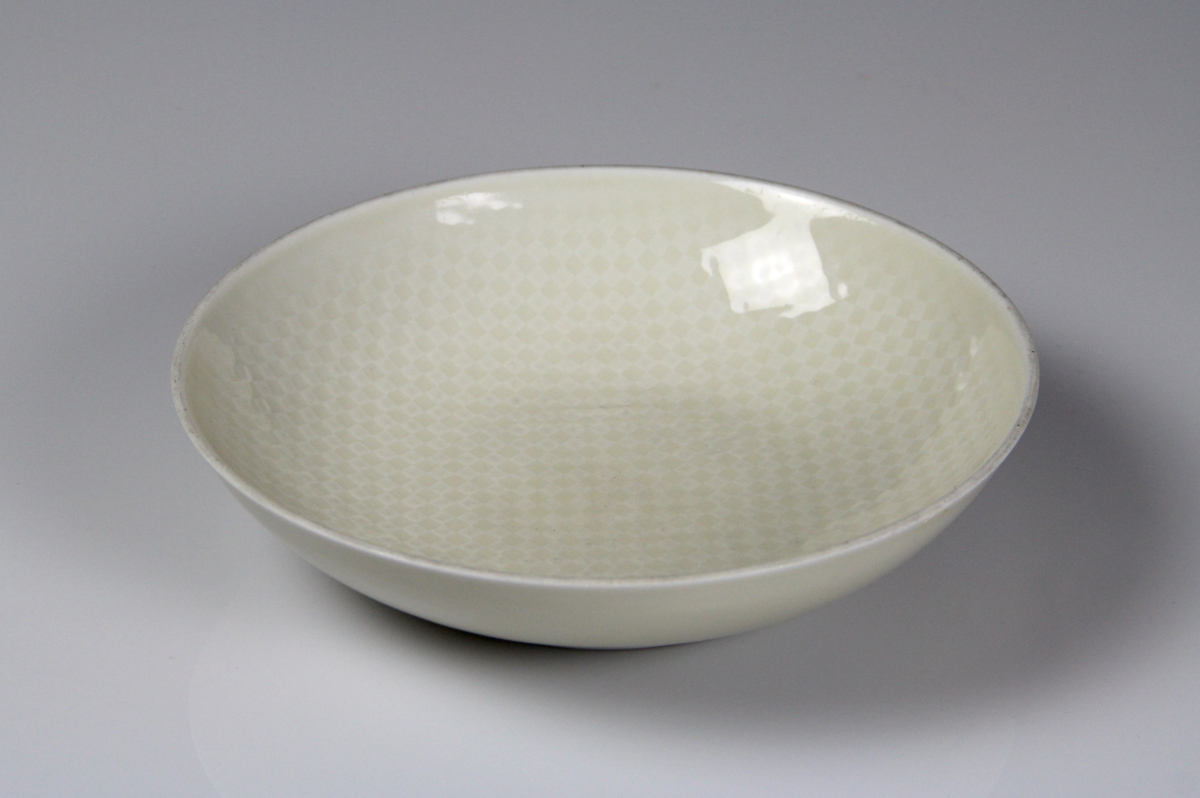
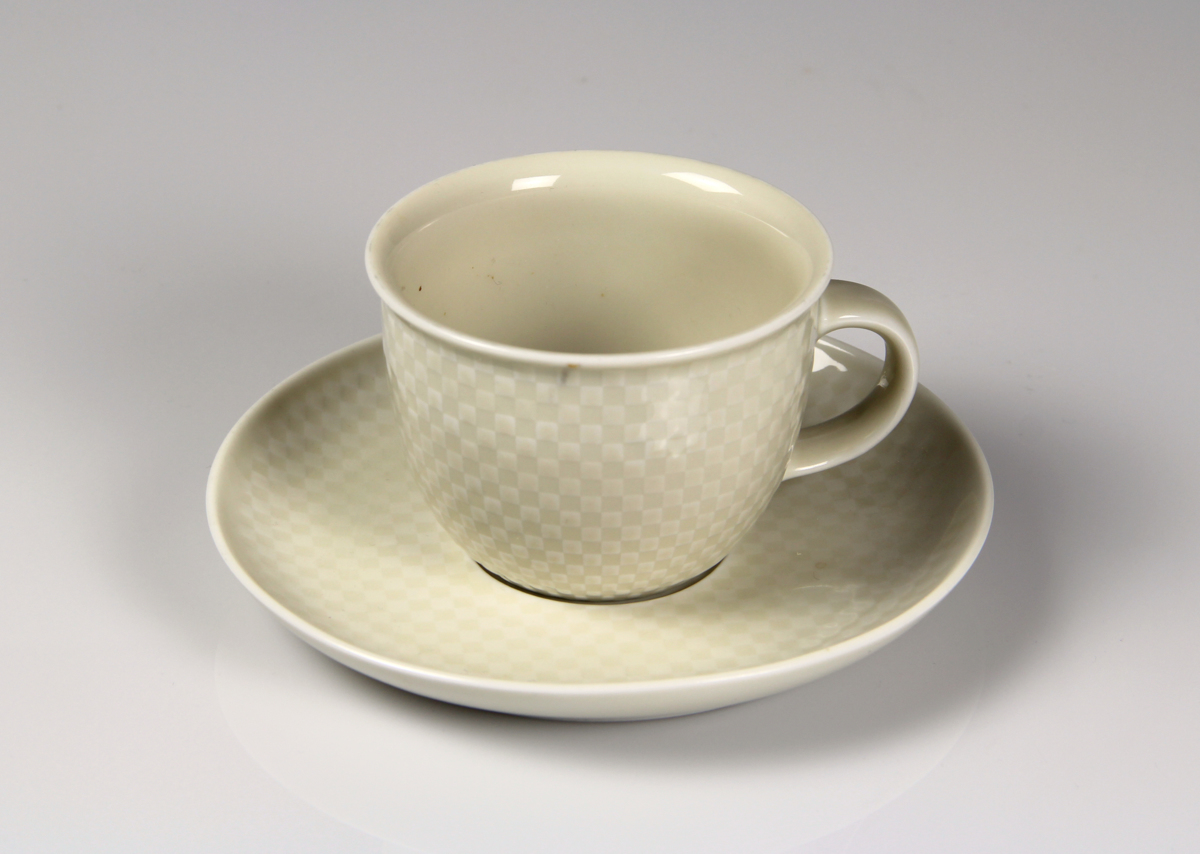
The Chess porcelain service for Boda Nova, with its stamped checks and soft, neat design, express her uniqueness as a designer. So does the refined thin, brick-red edge that marks the shape and the cups’ flared mouths in the Primeur service from Rörstrand. Its sky blue, shimmering, palely striped glaze conveys spiritual ease and makes the functionally sturdy, pure forms float. The Chess and Primeur services, both from 1981, mark her breadth.
Signe Persson-Melin has a natural sensitivity to the material and an unfailing feel for form.
Her idiom is personal and her attitude to items is independent. She has designed ideas and items that answer the era’s needs without compromising quality or artistry. She has been on the frontline for more than five decades.
Objects