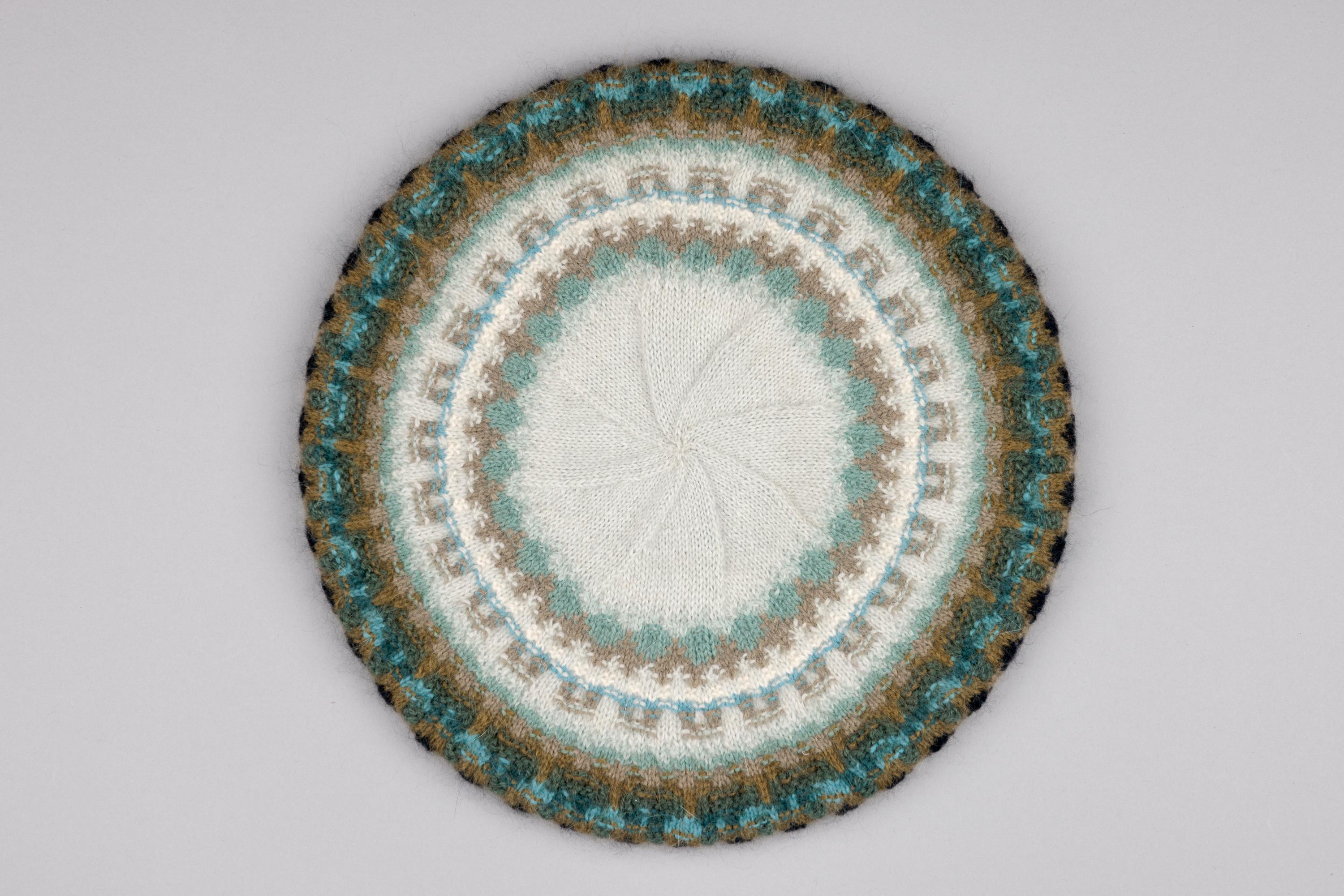
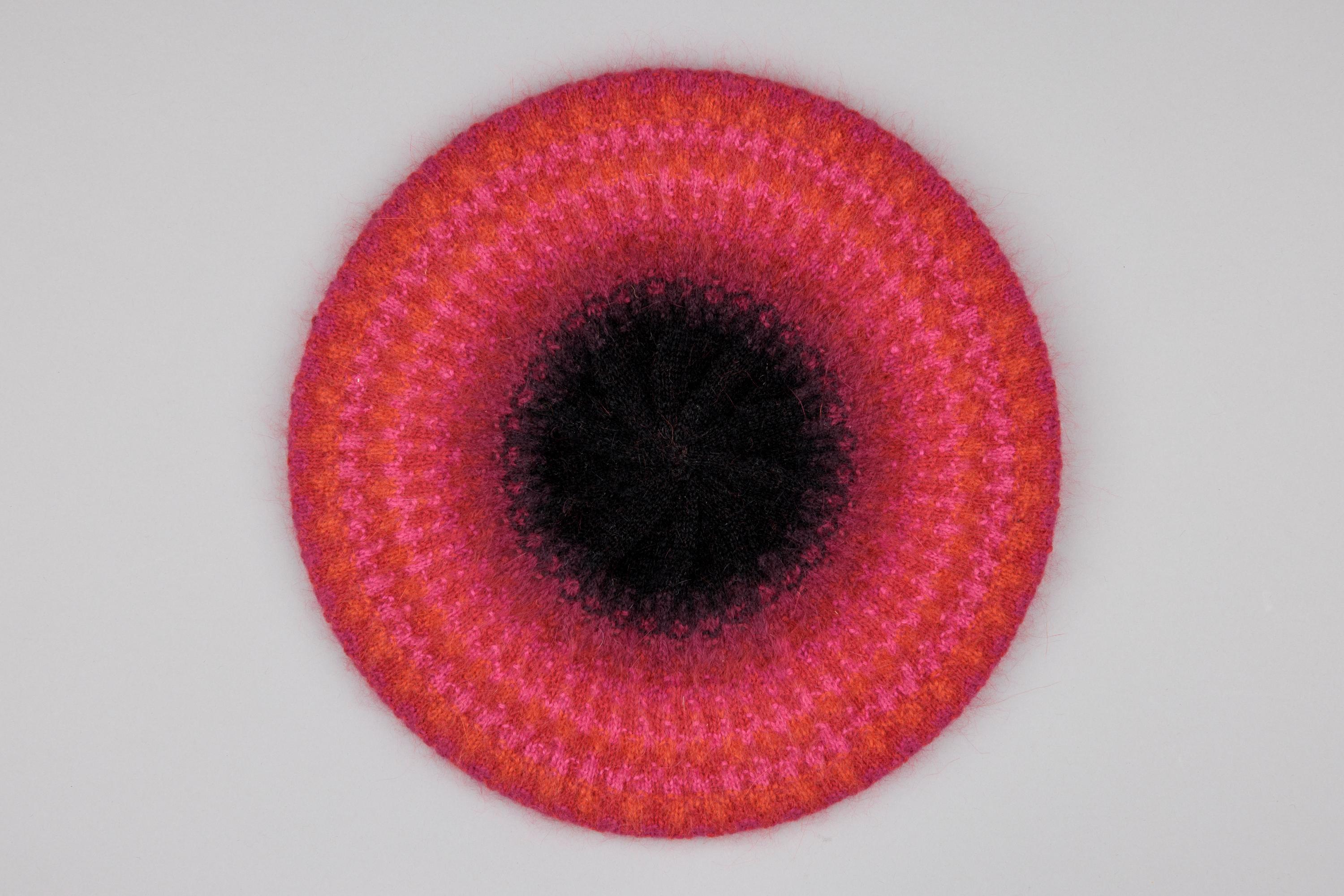
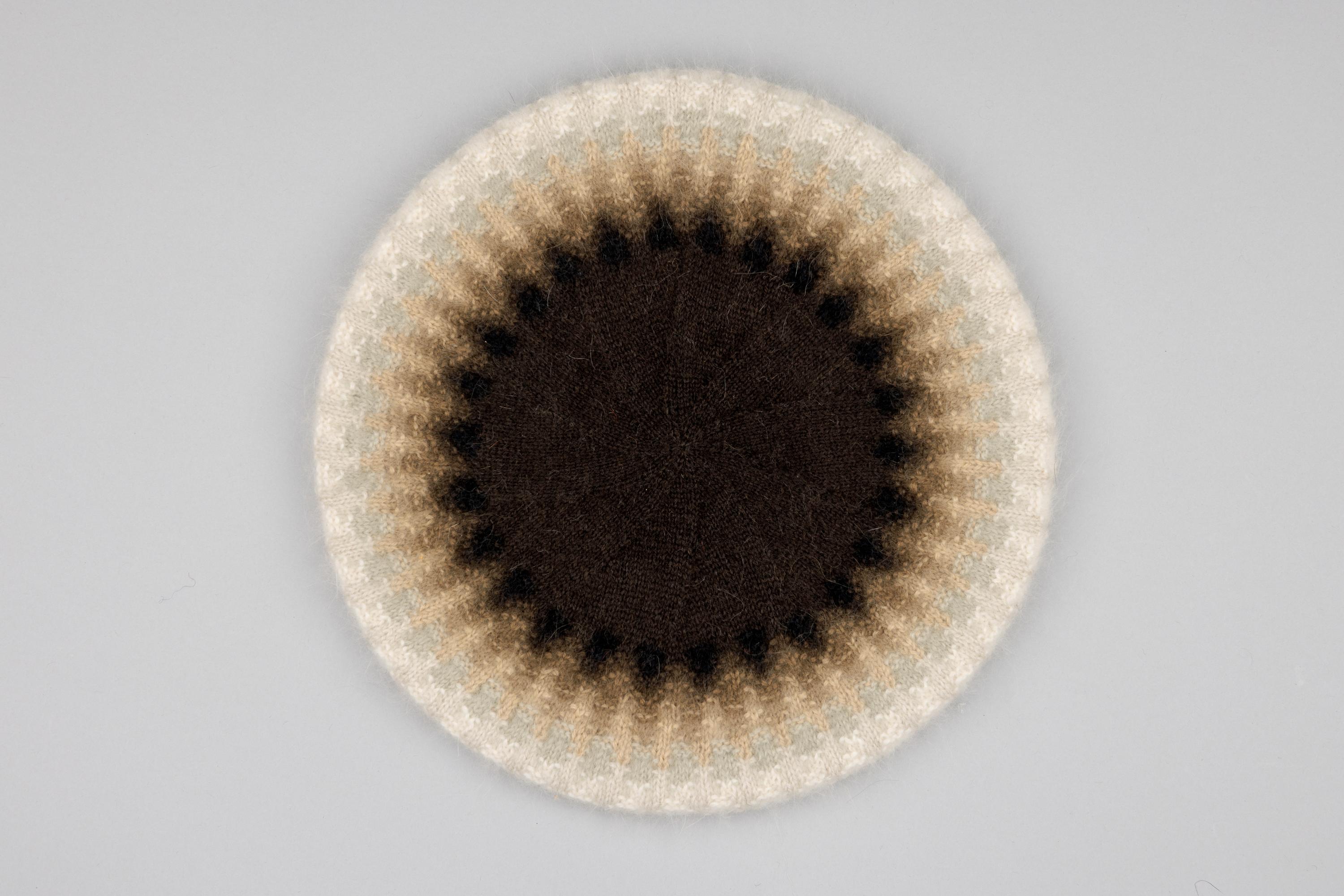
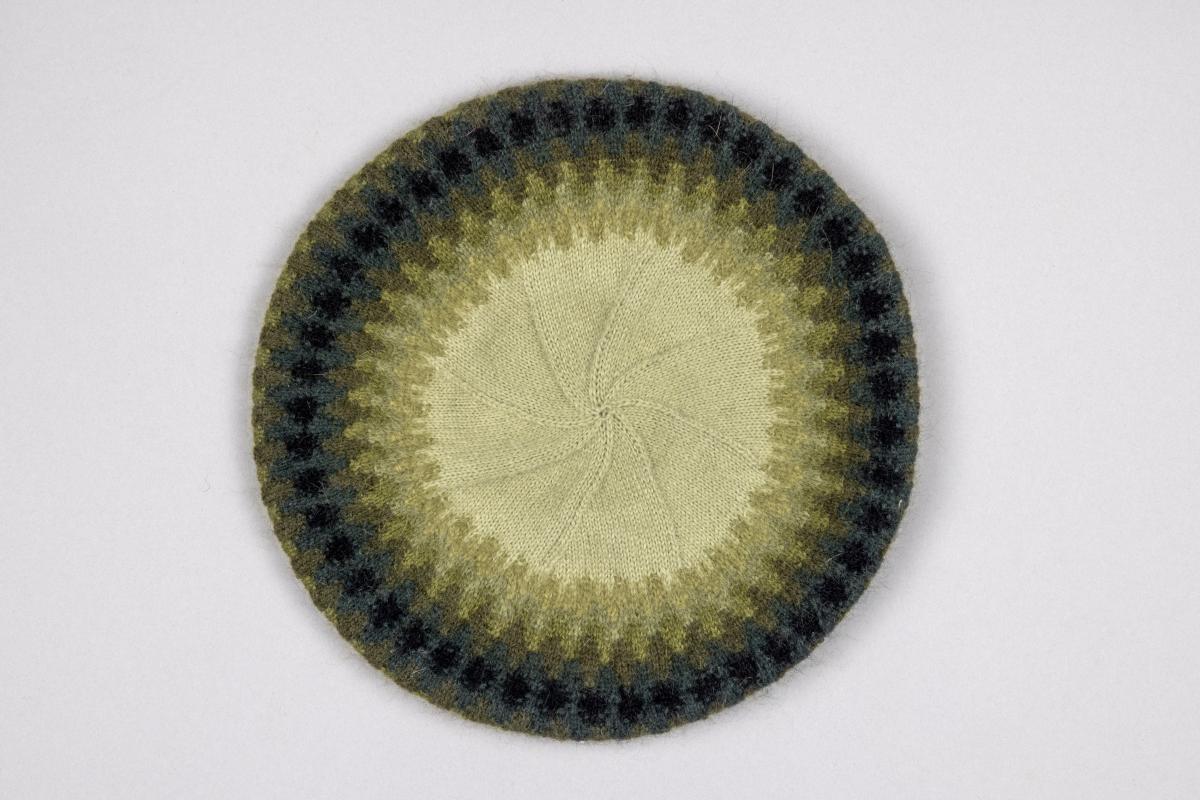
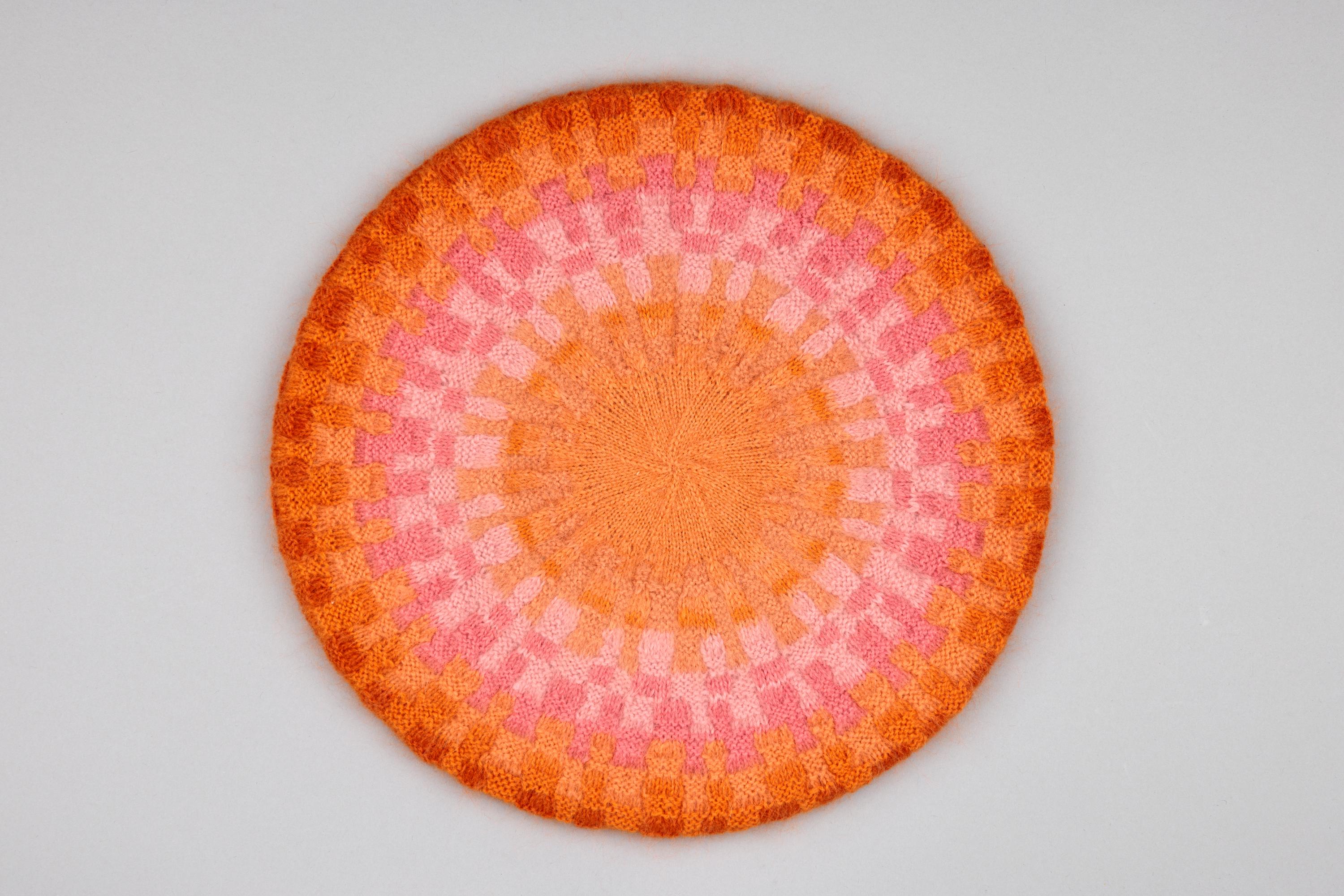
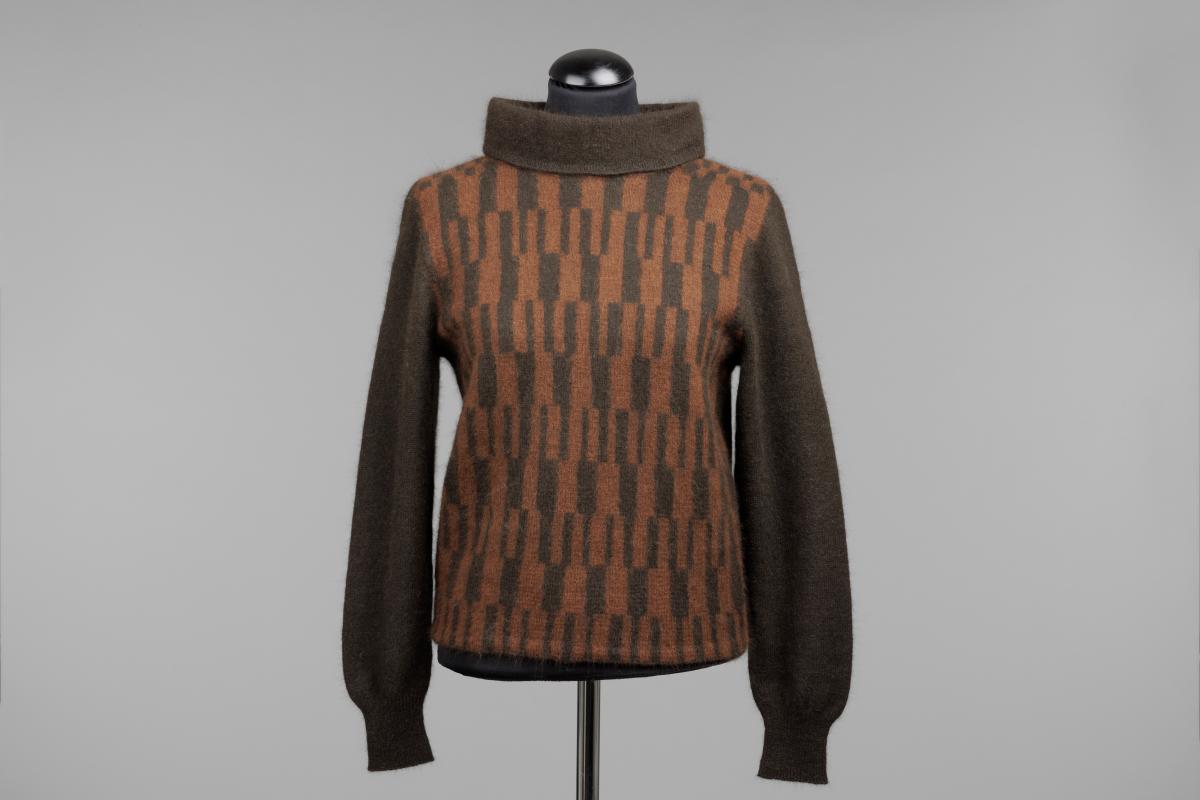
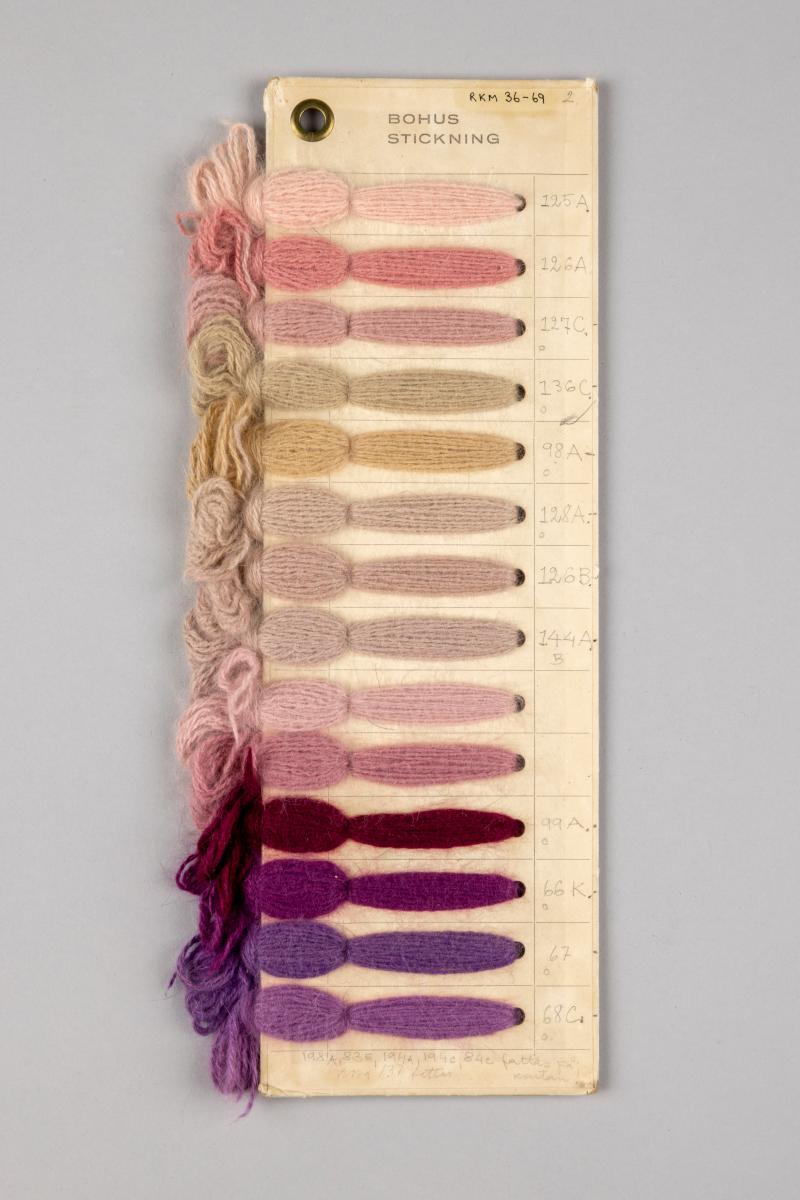
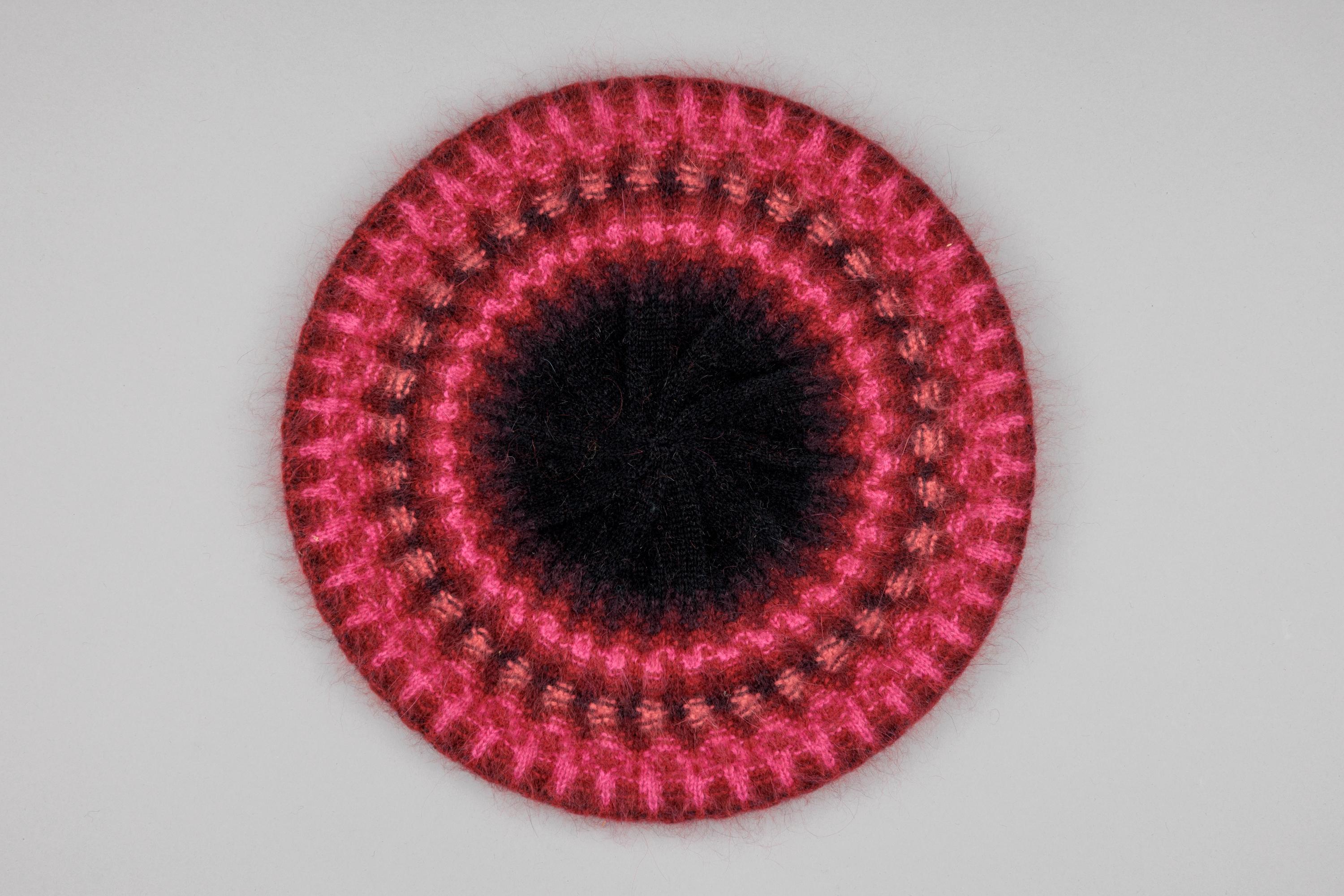
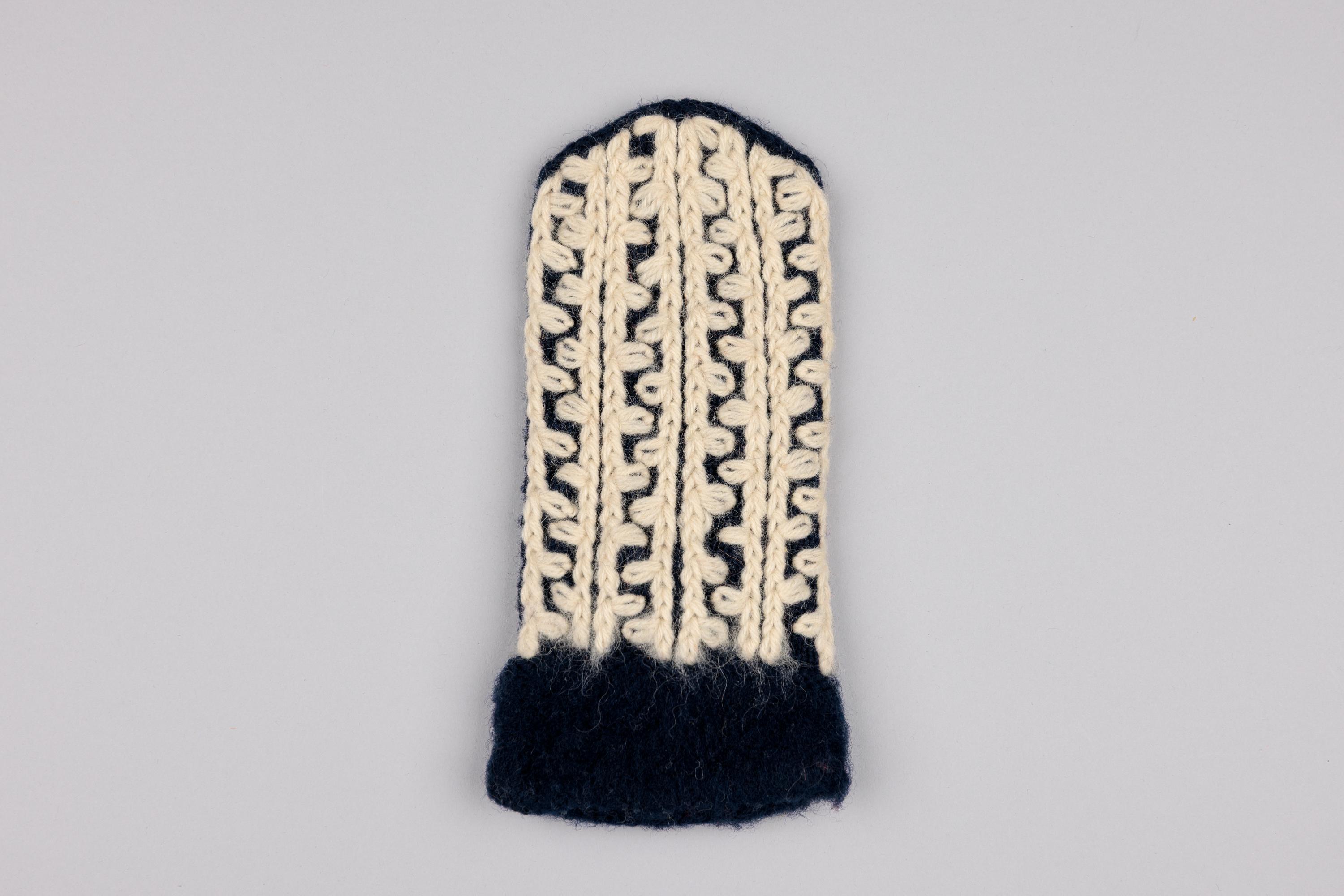
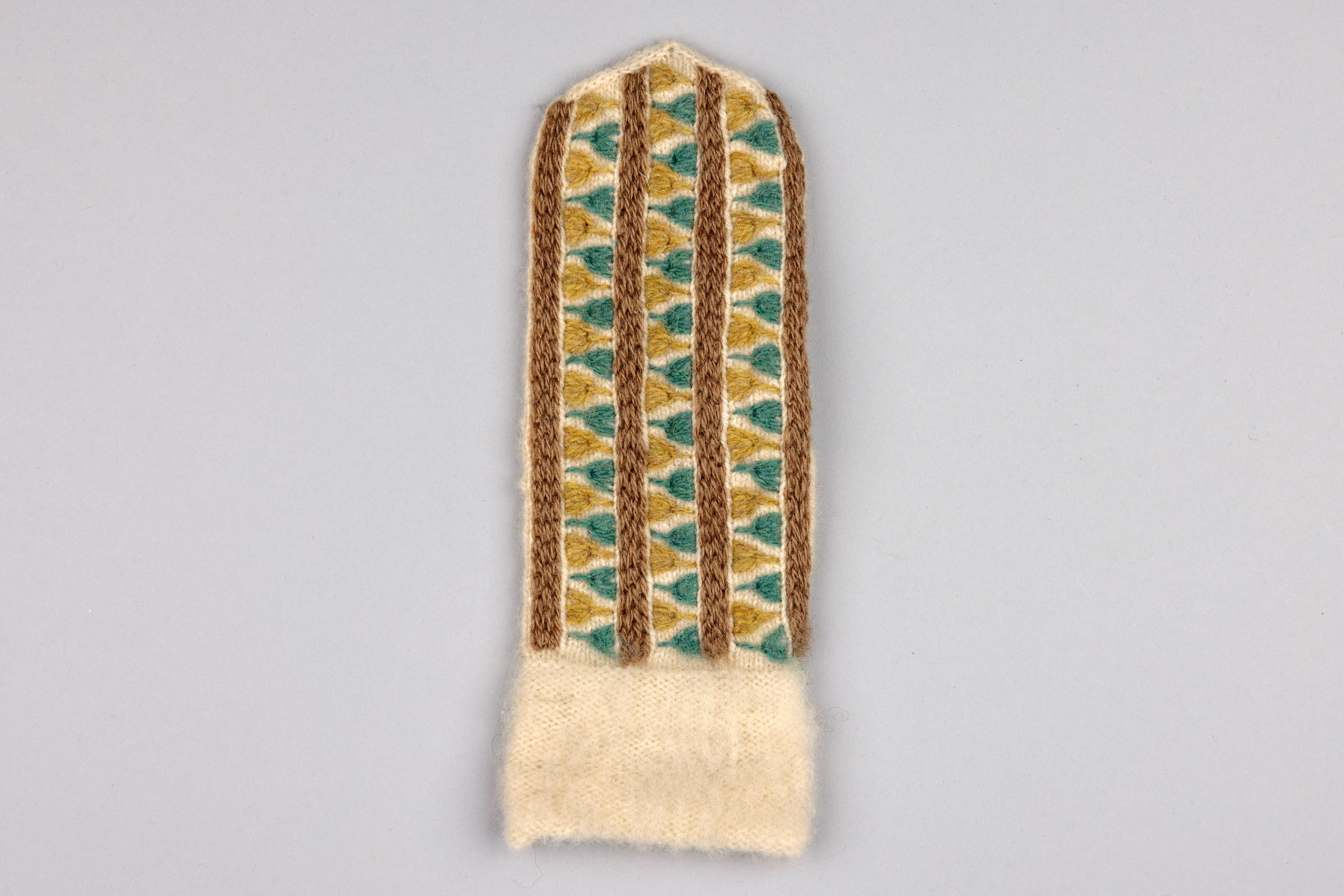
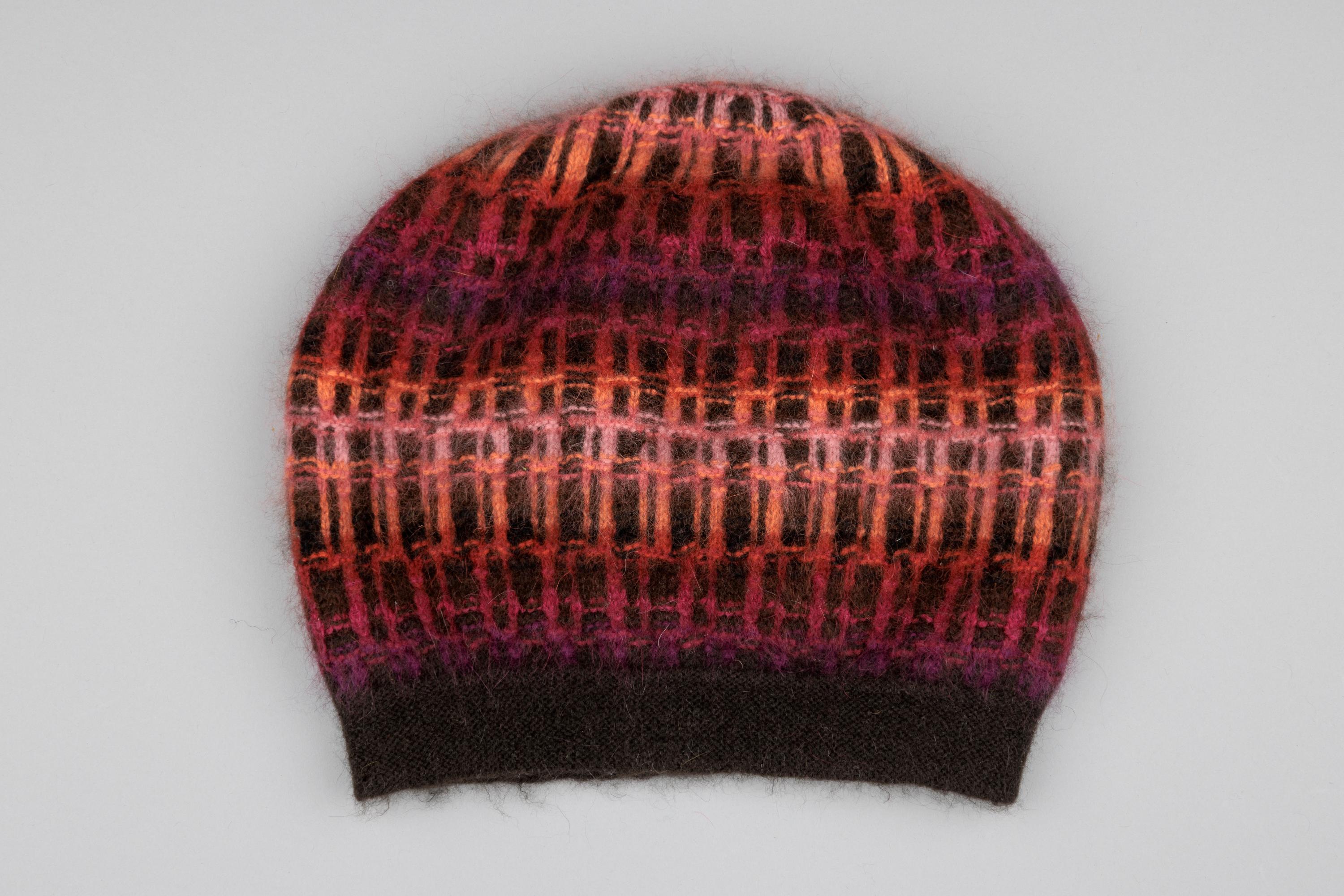
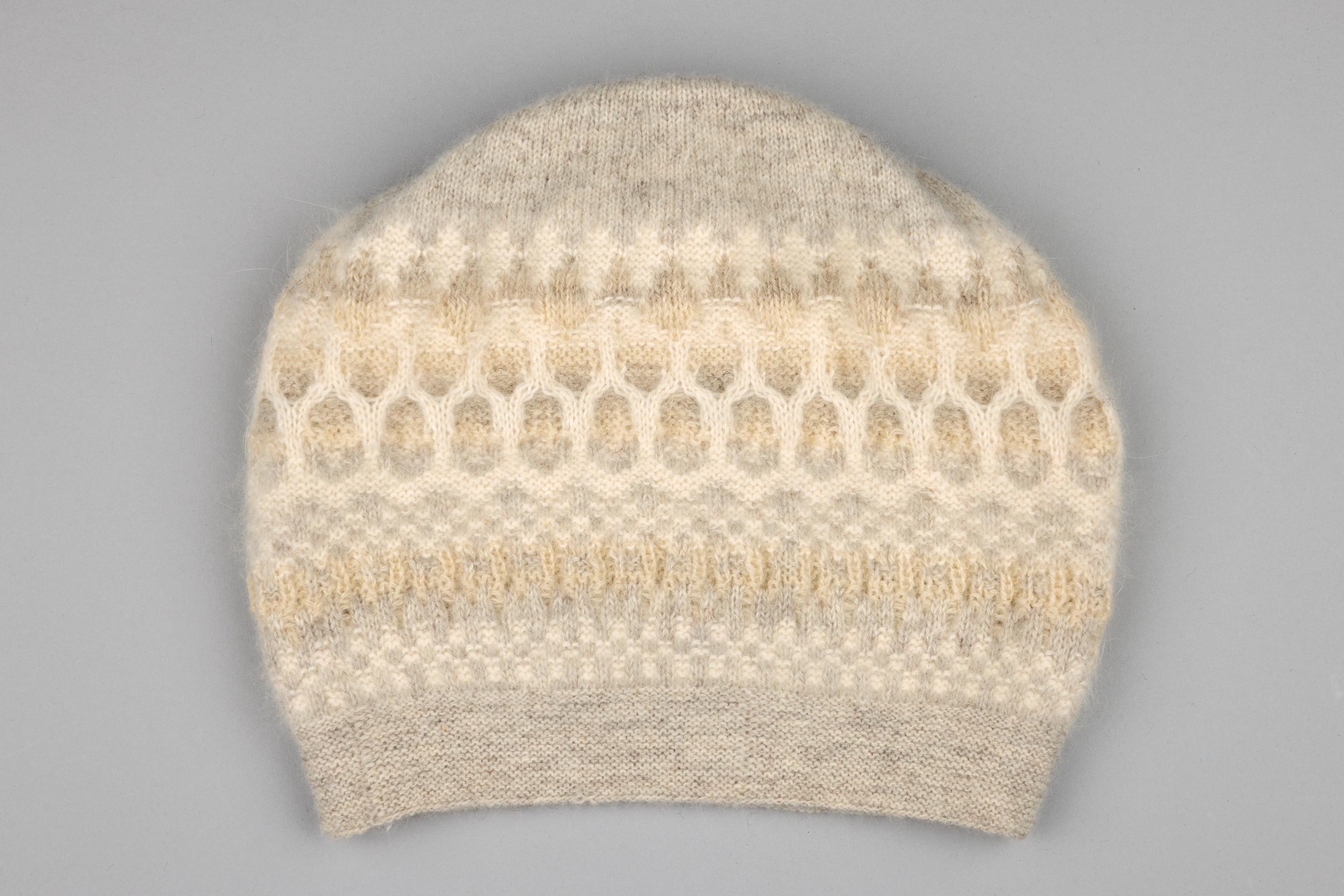
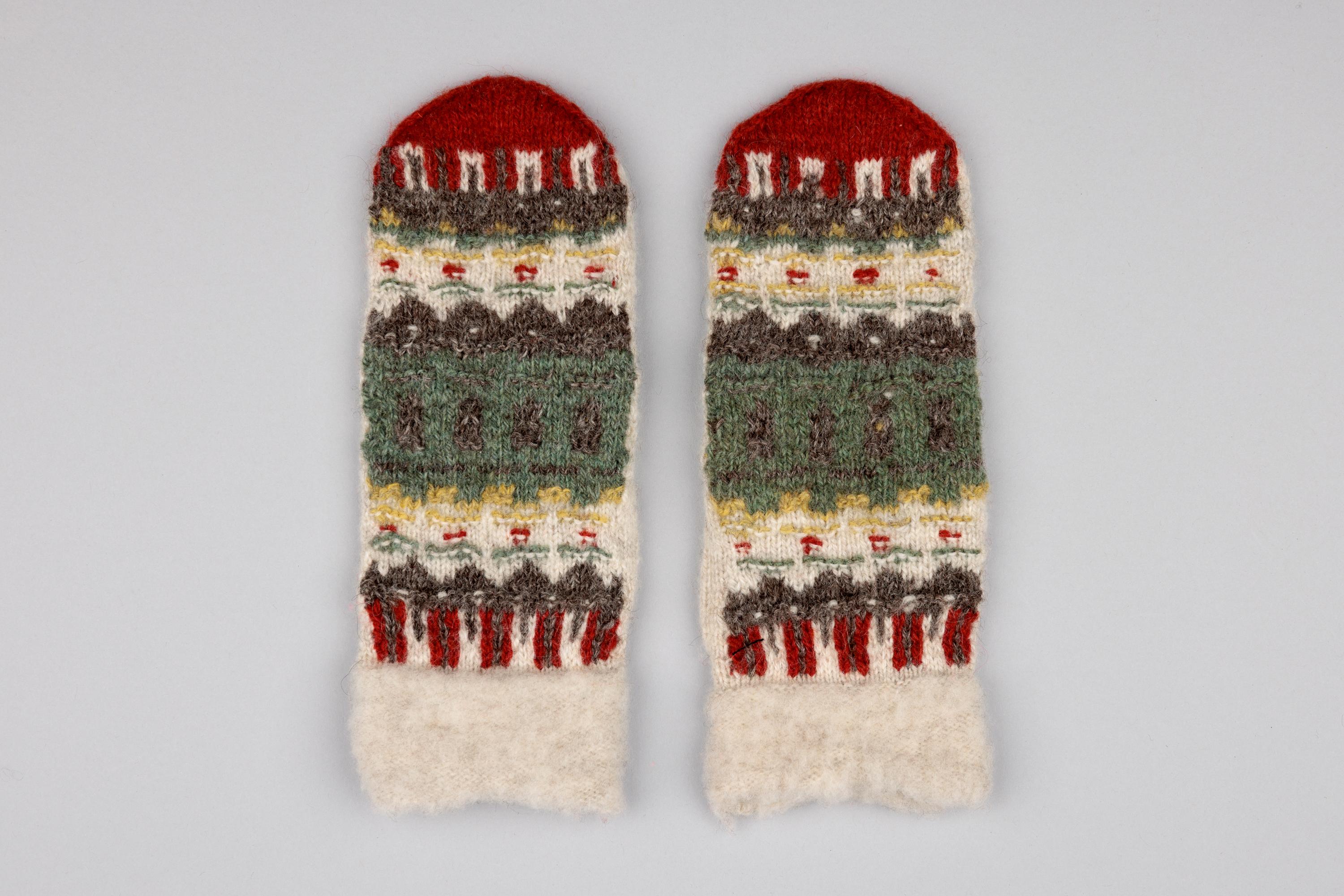
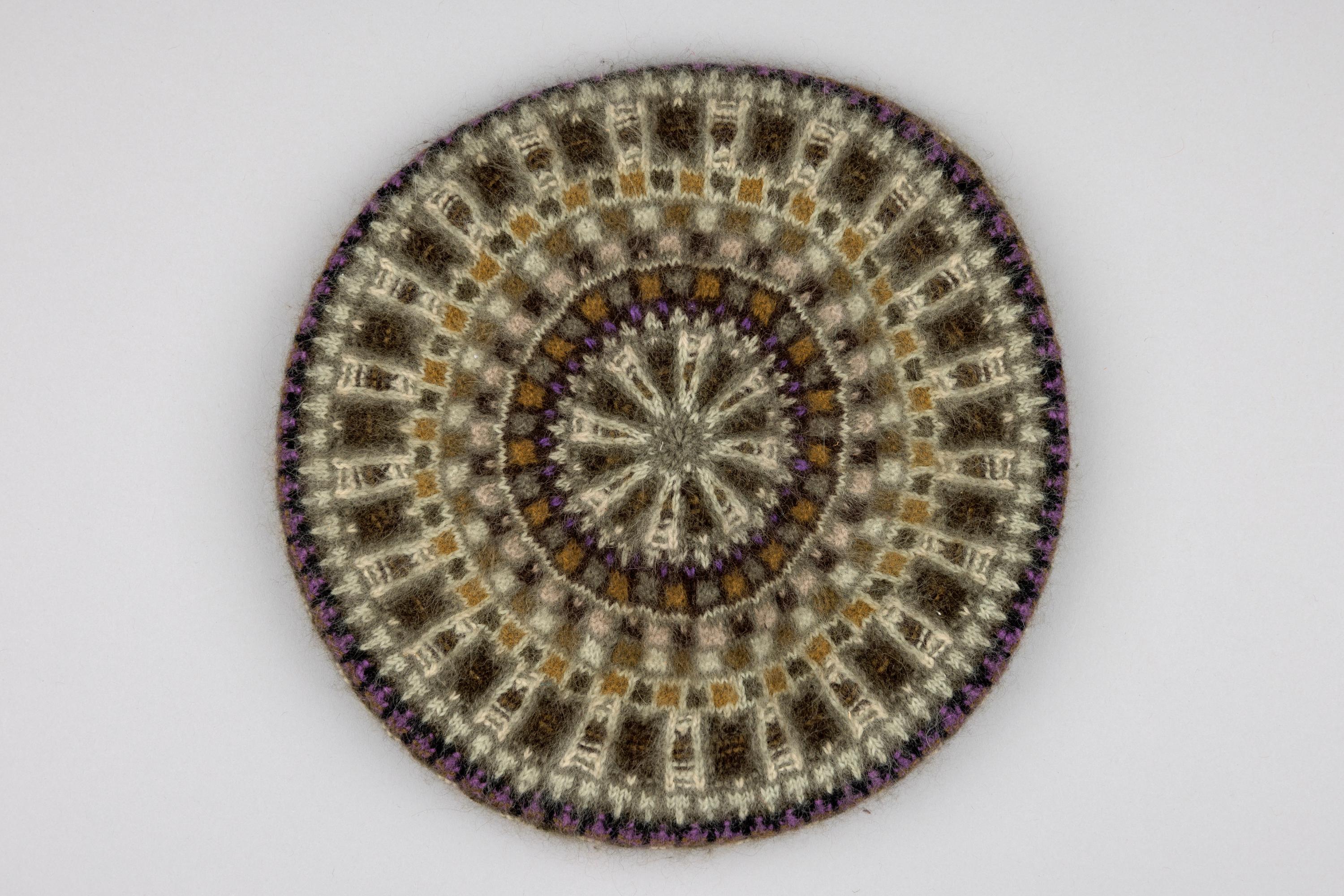
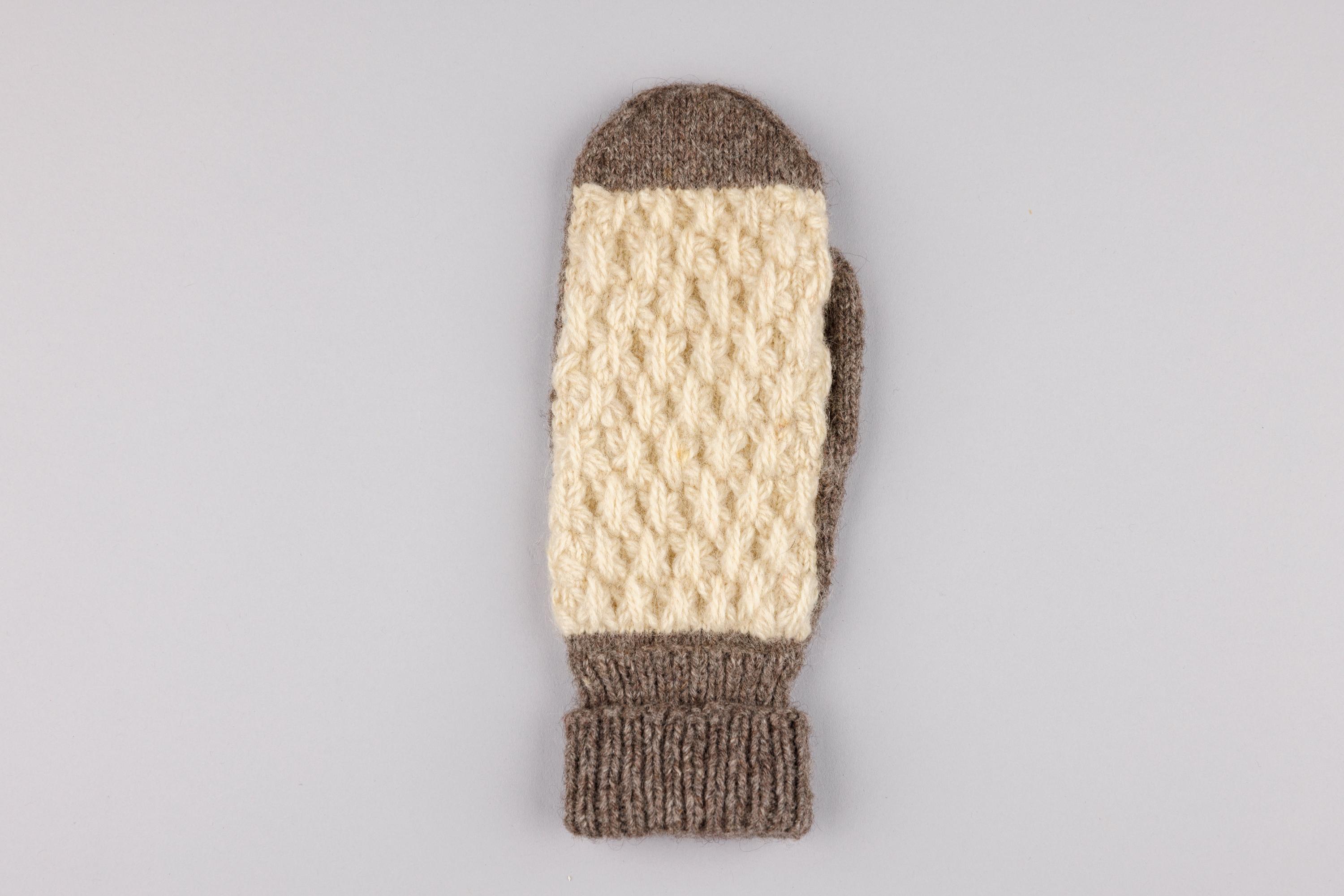
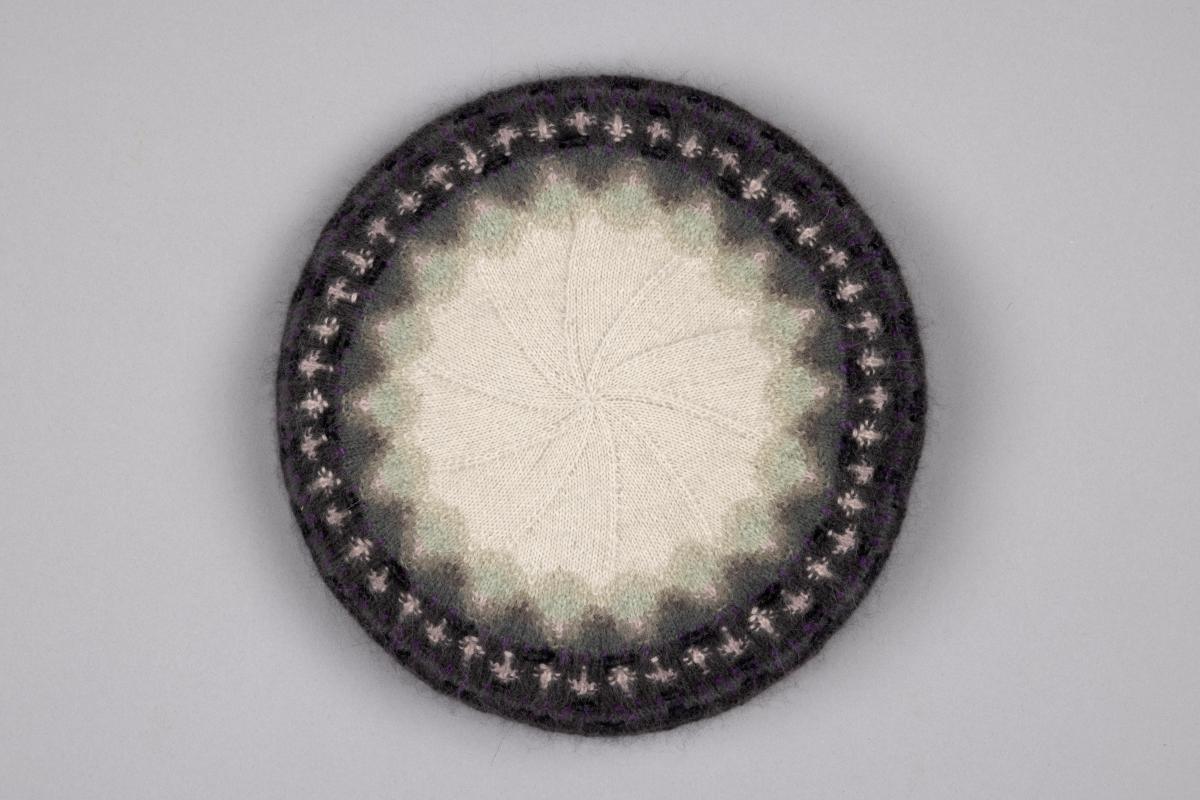
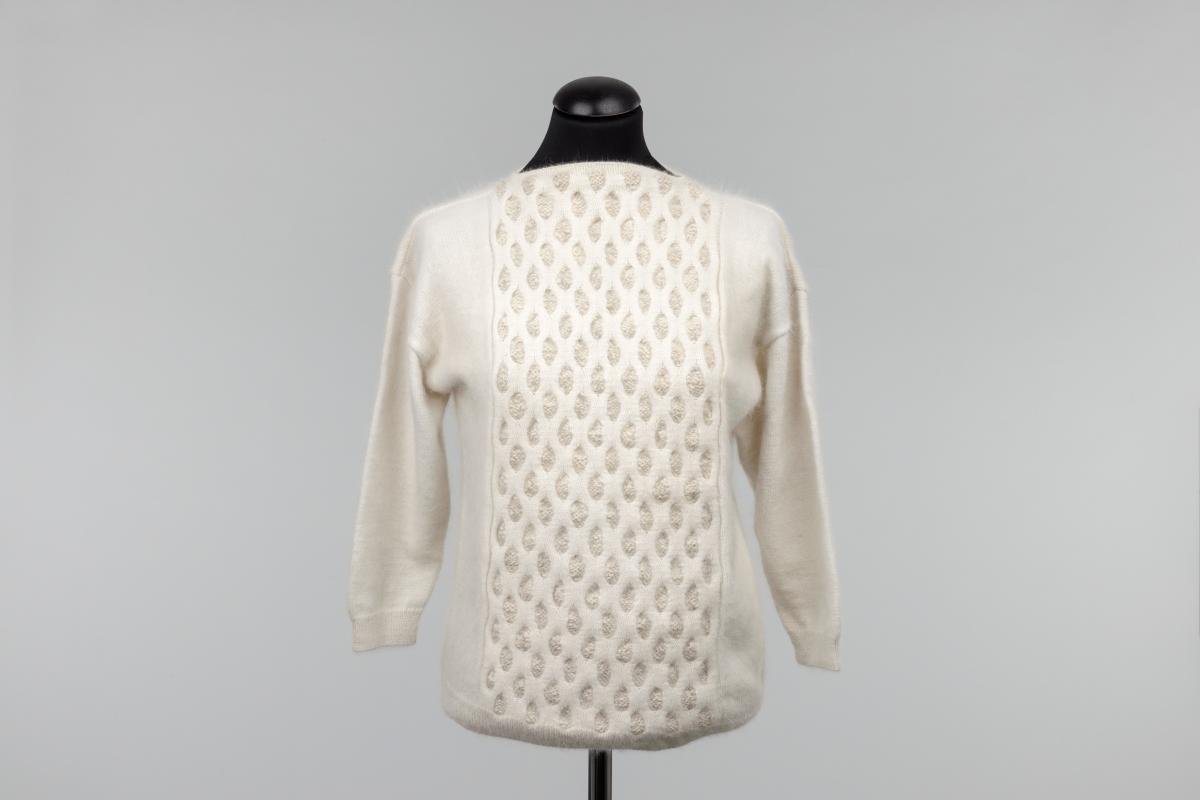
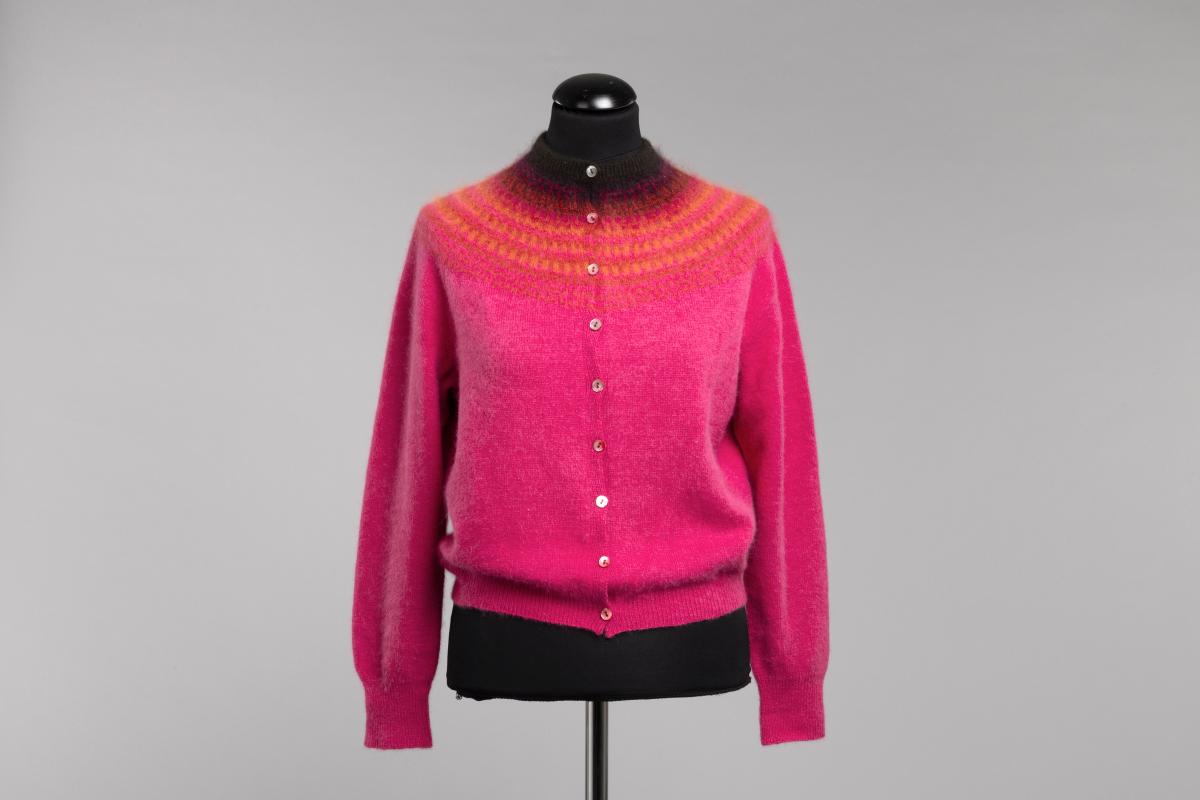
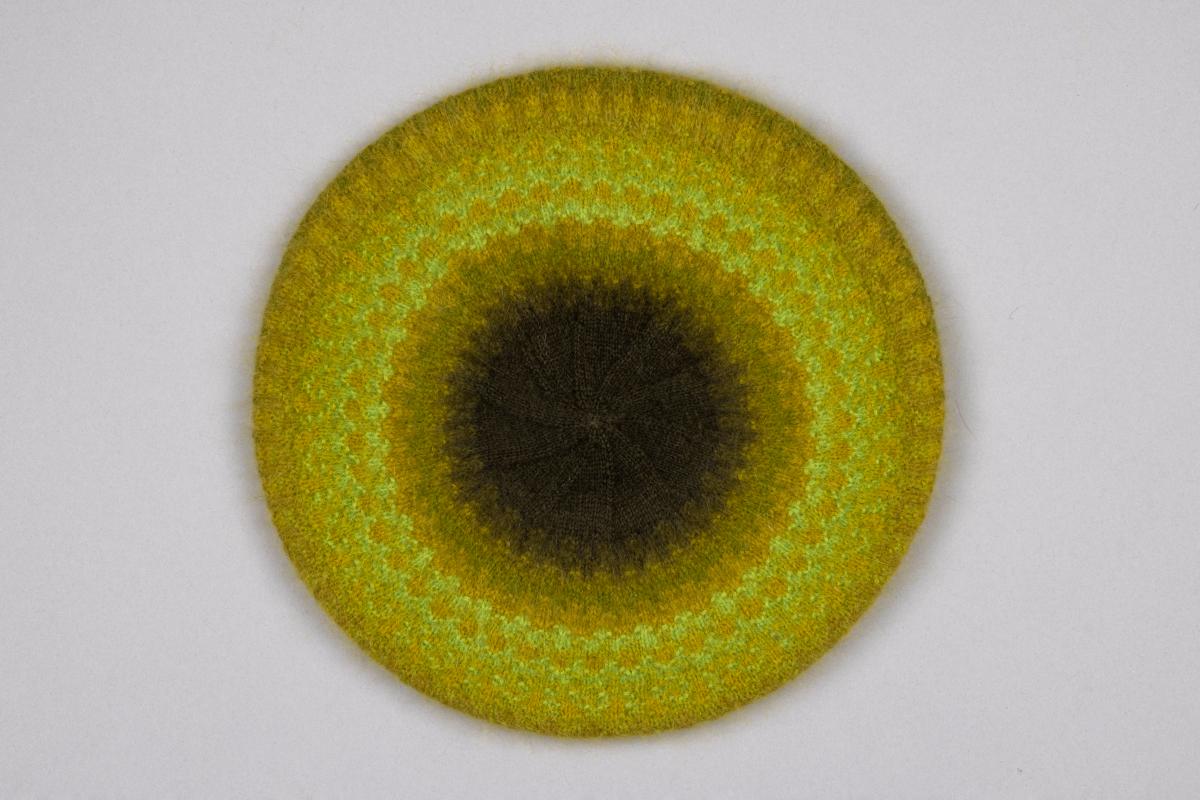
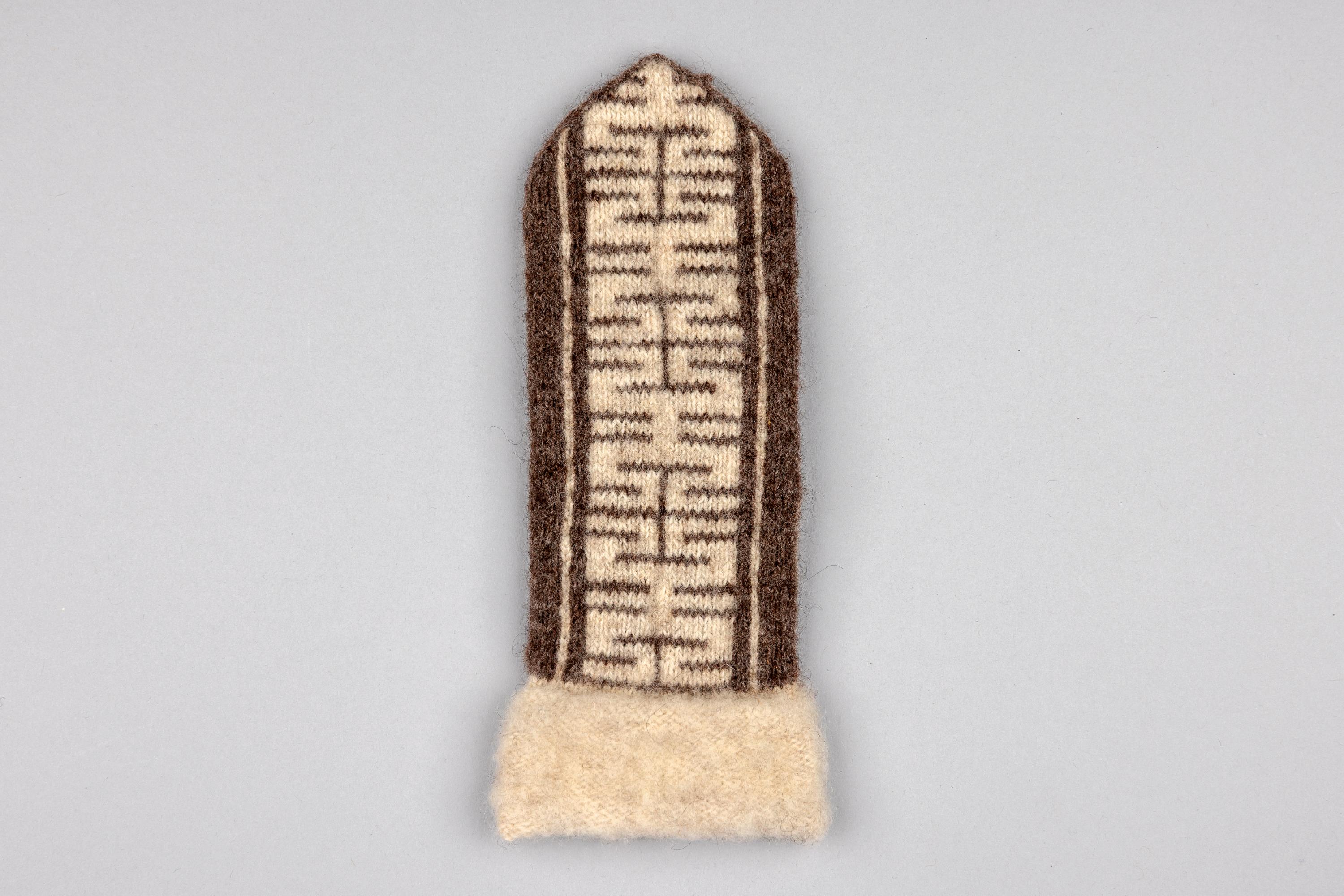
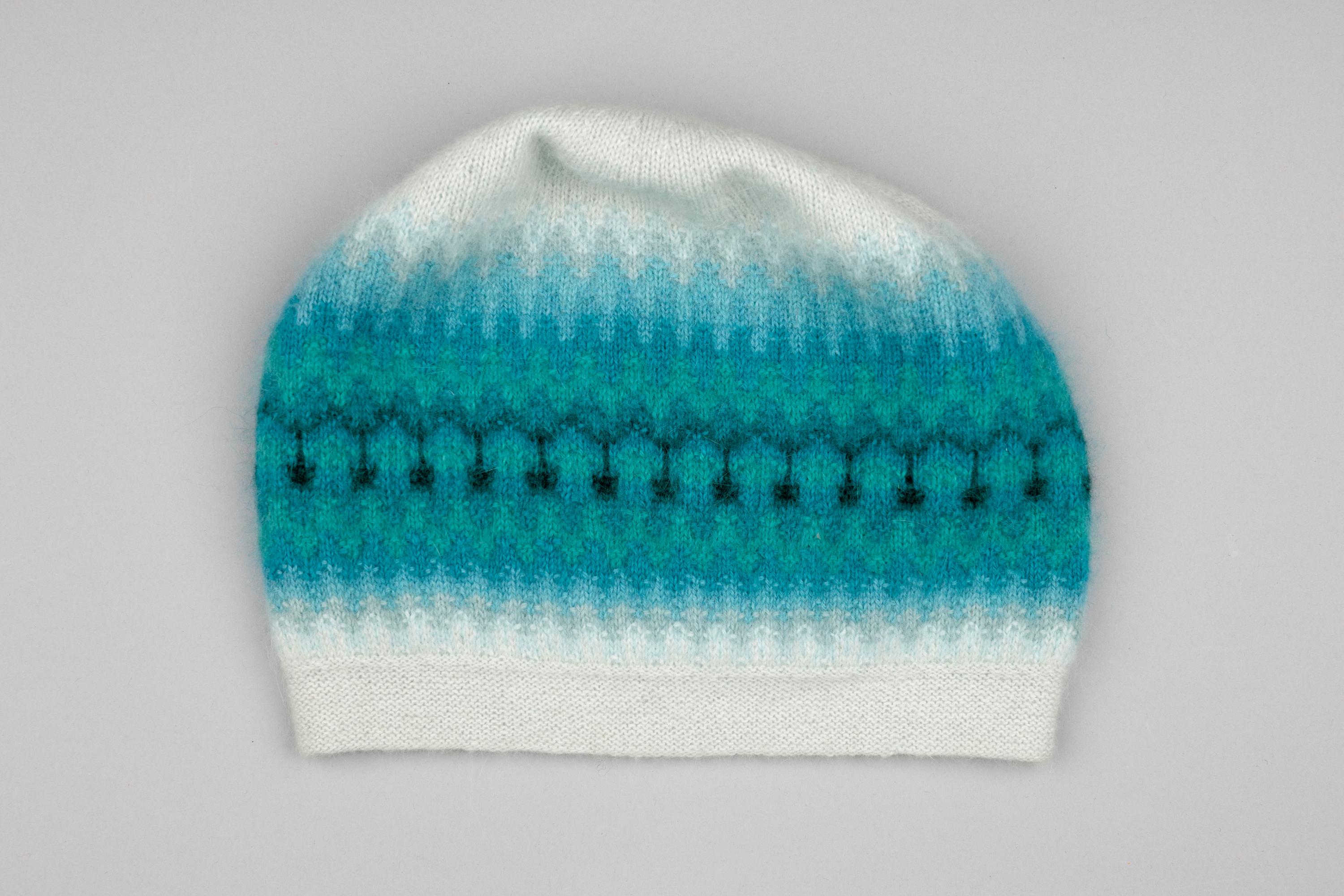
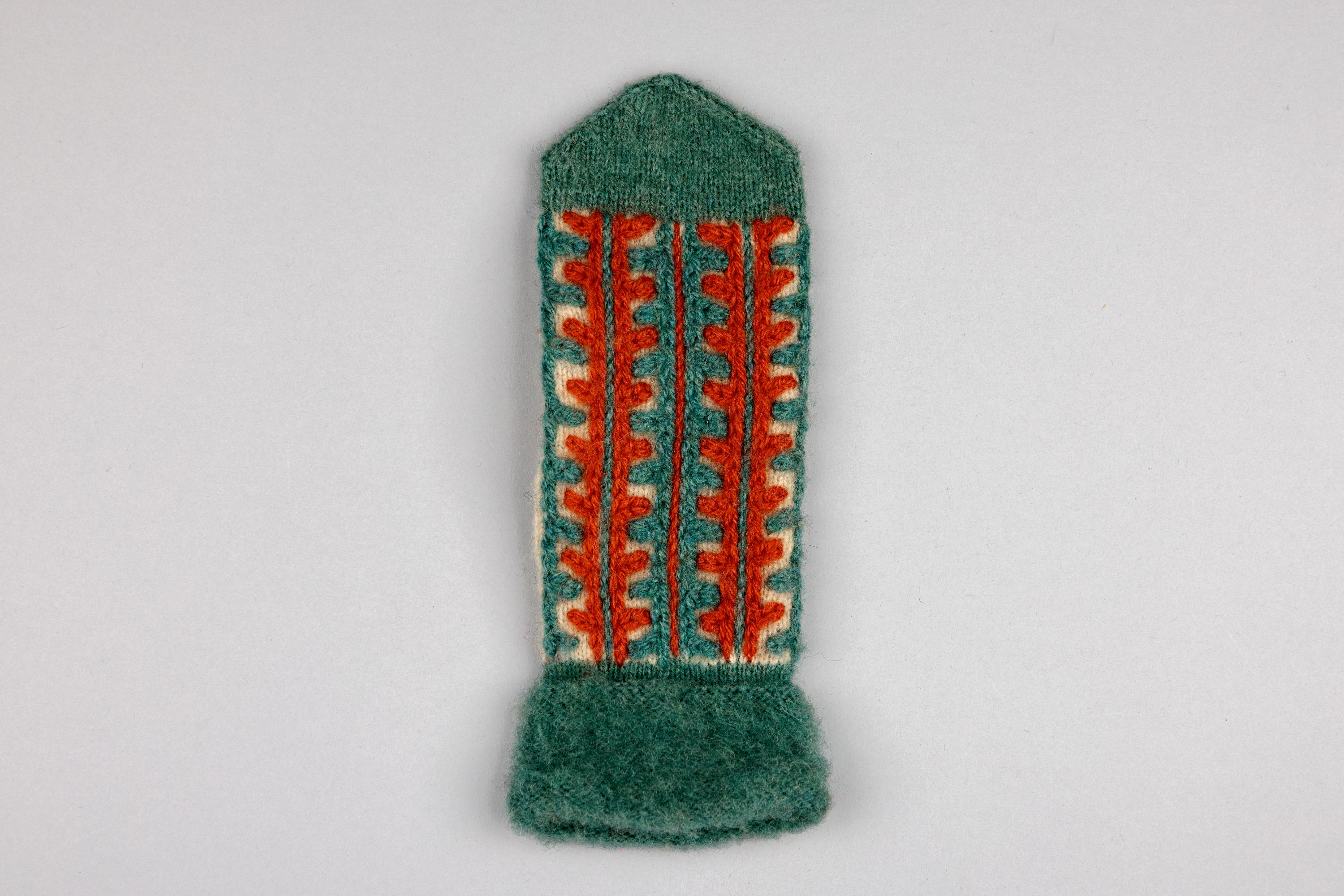
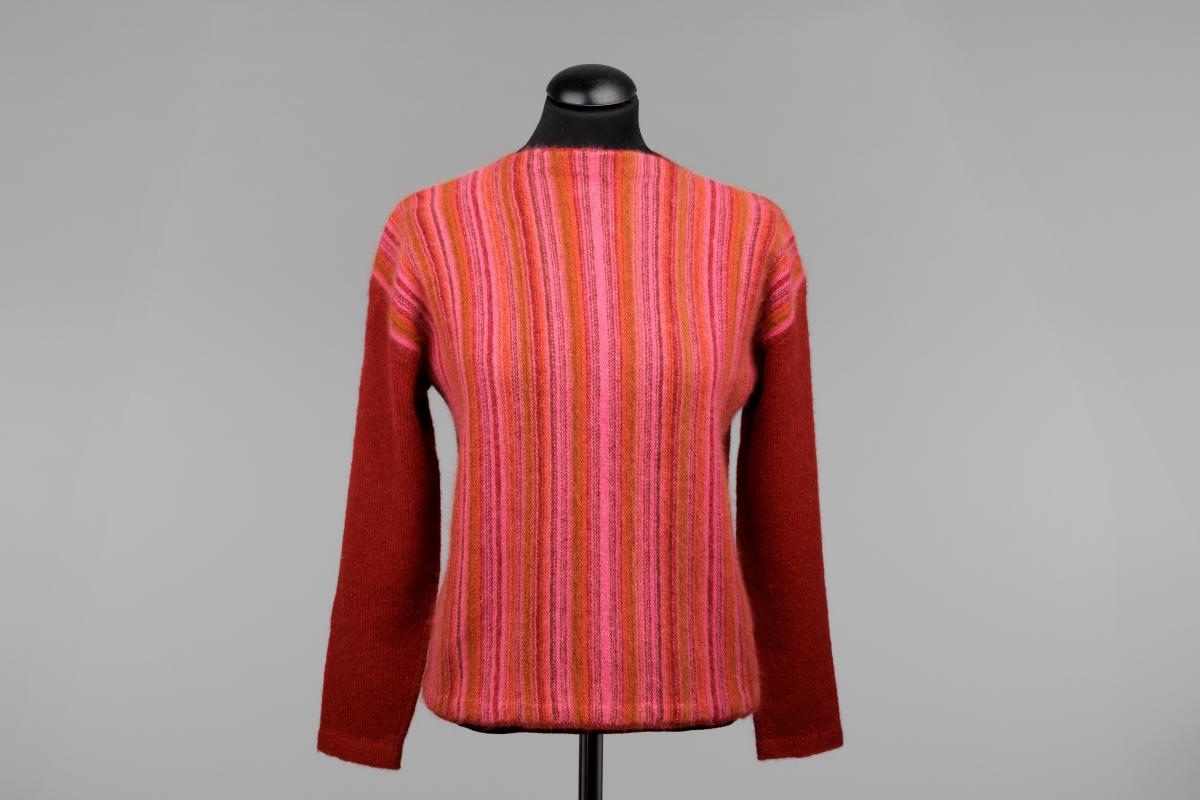
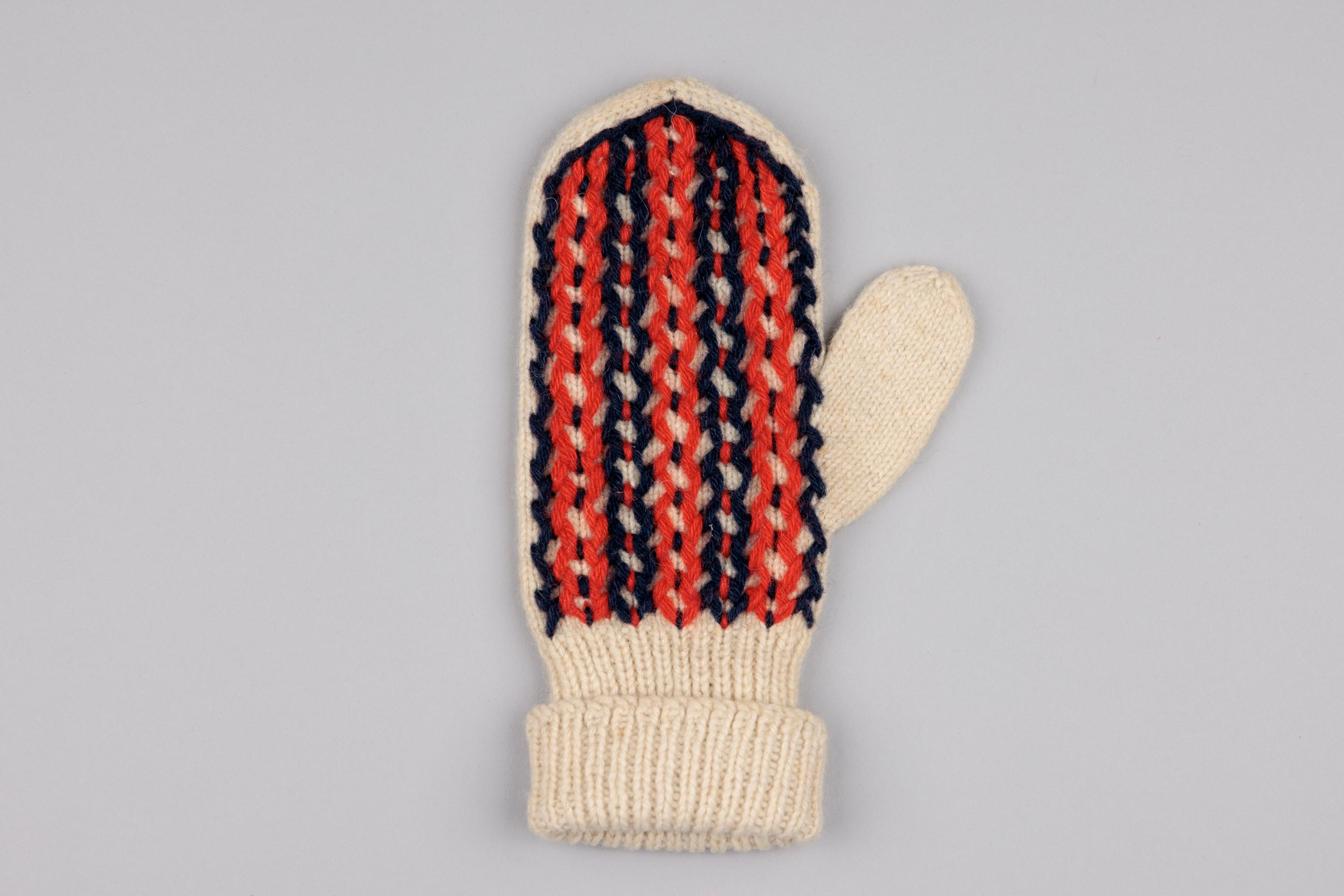
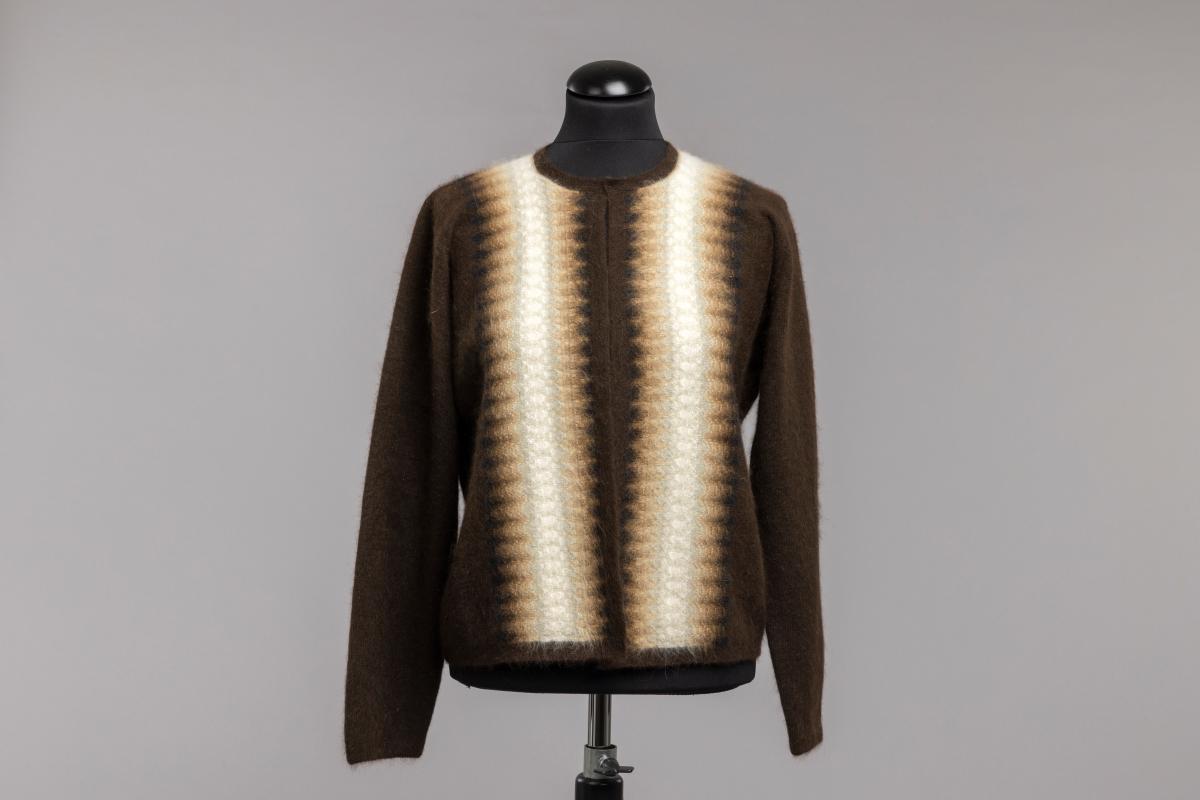
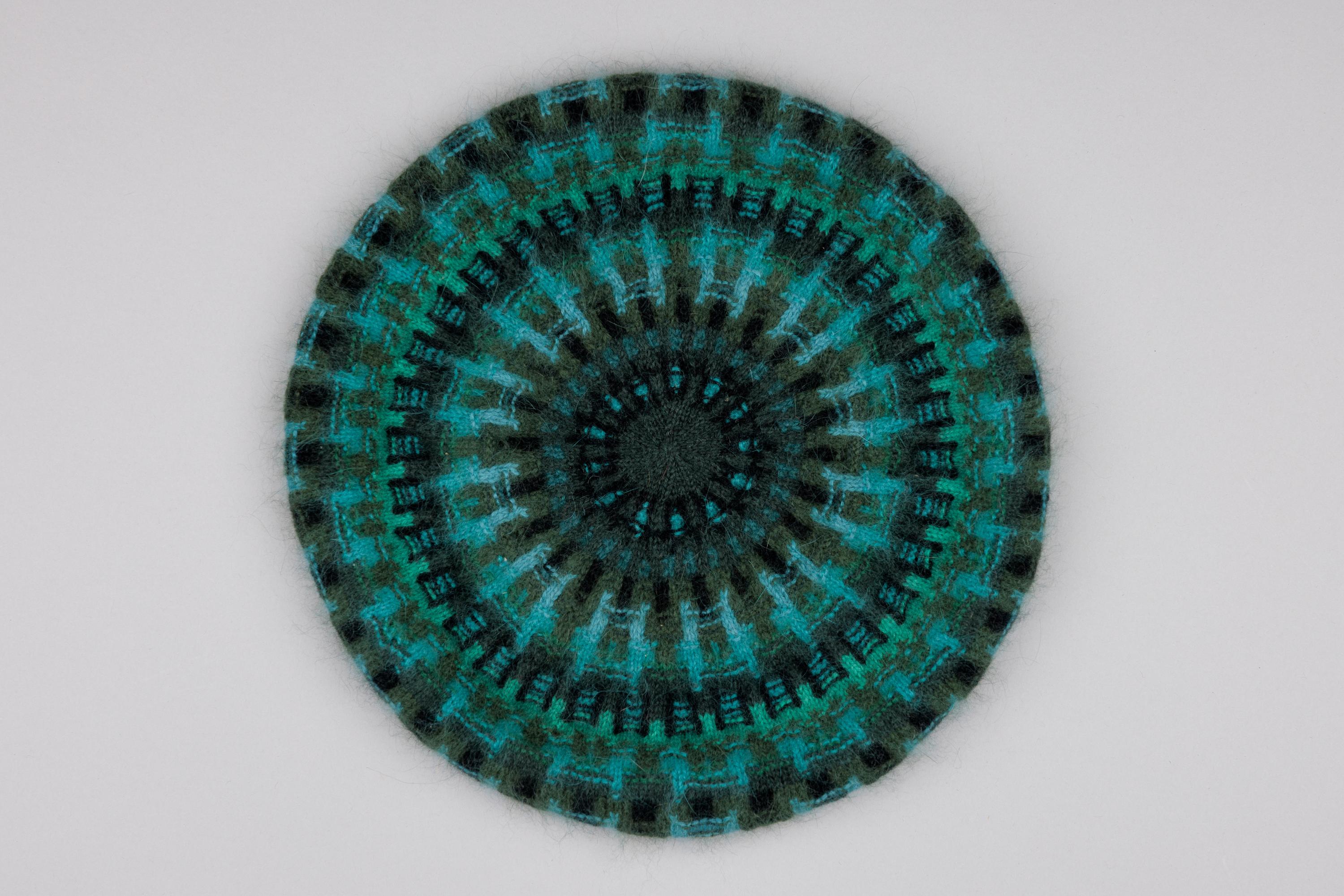
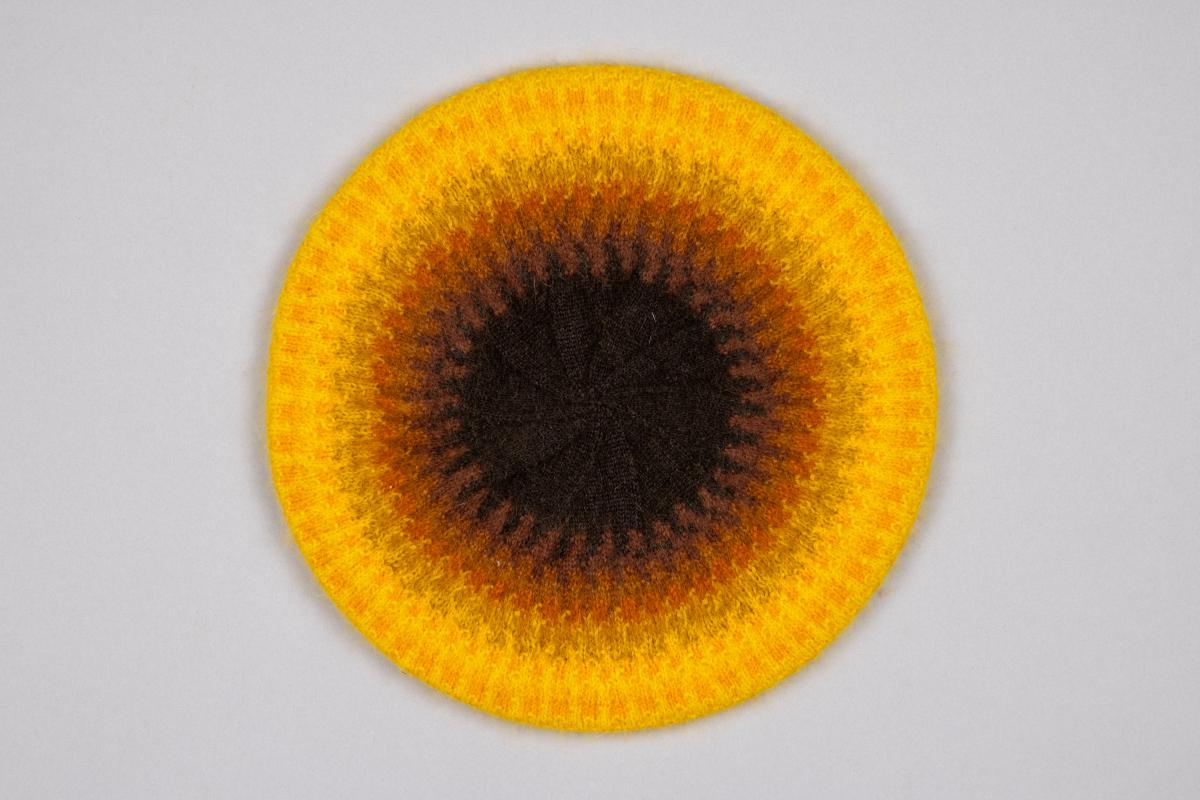
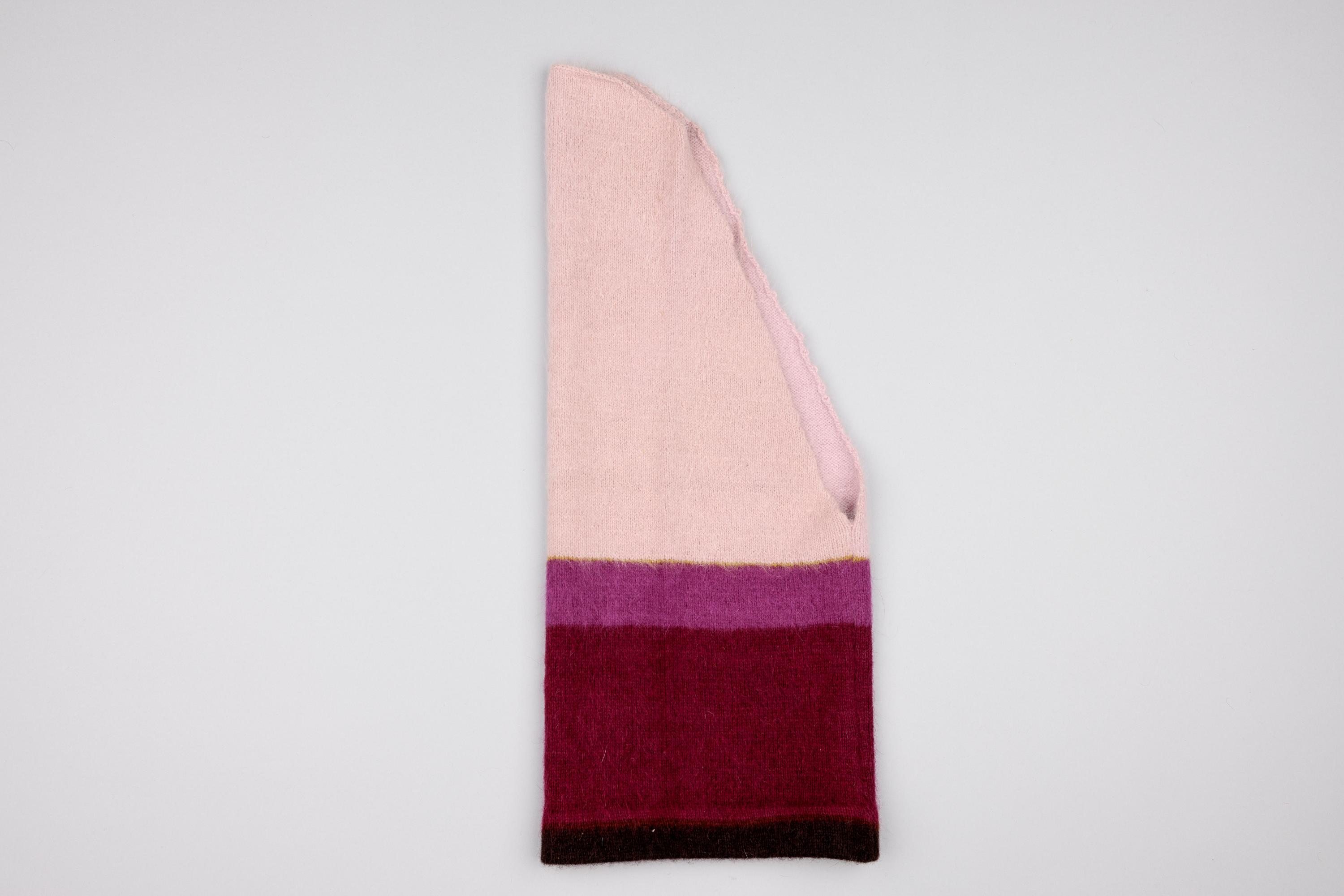
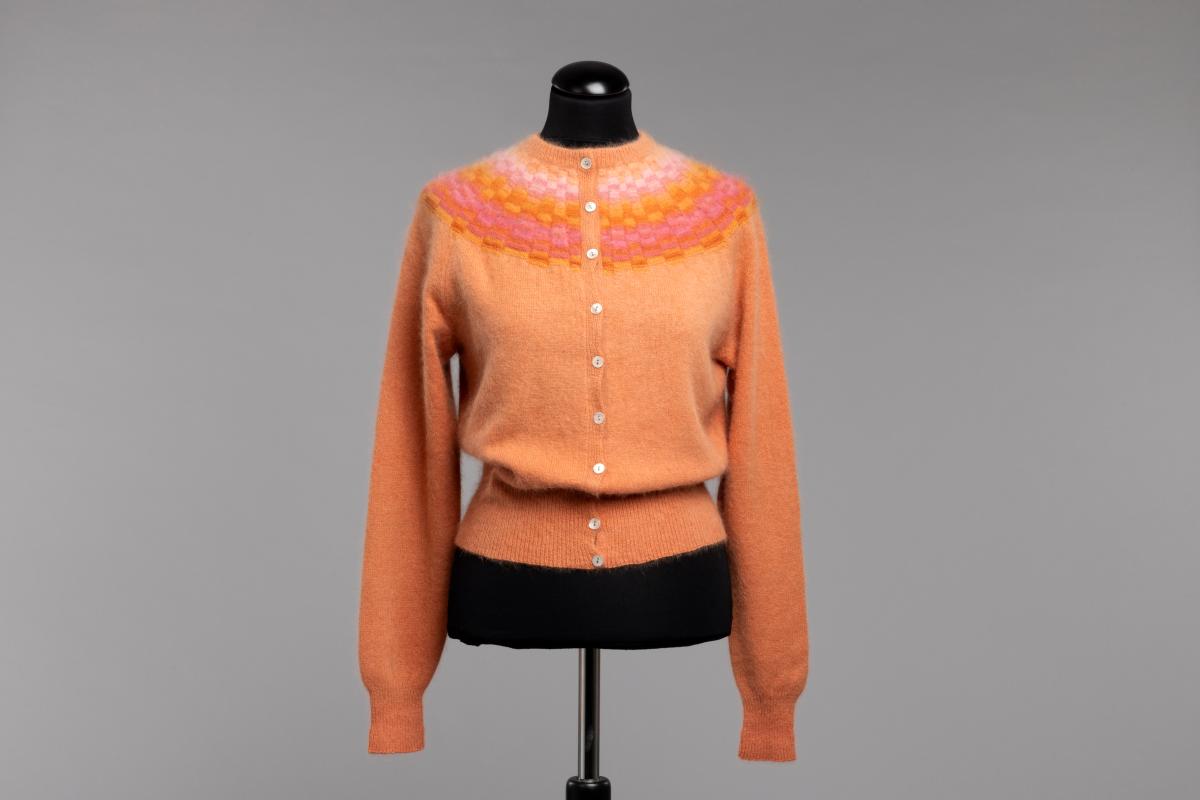
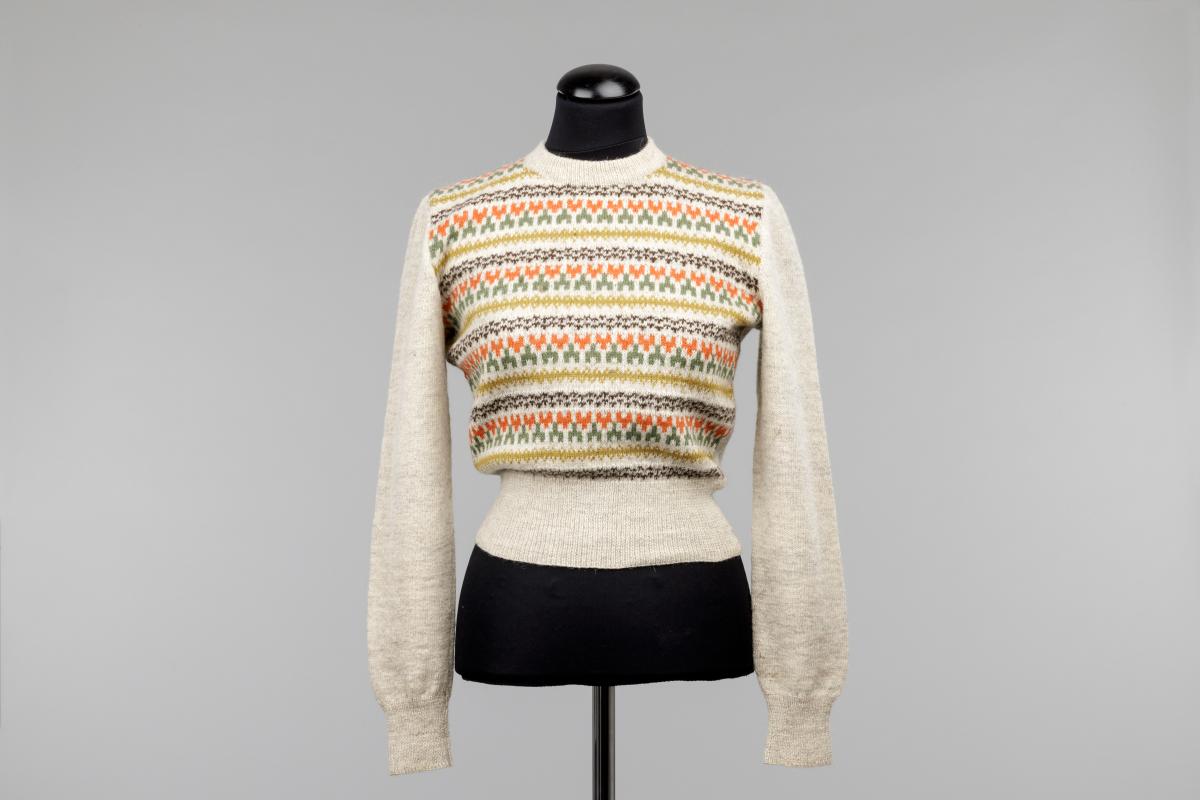
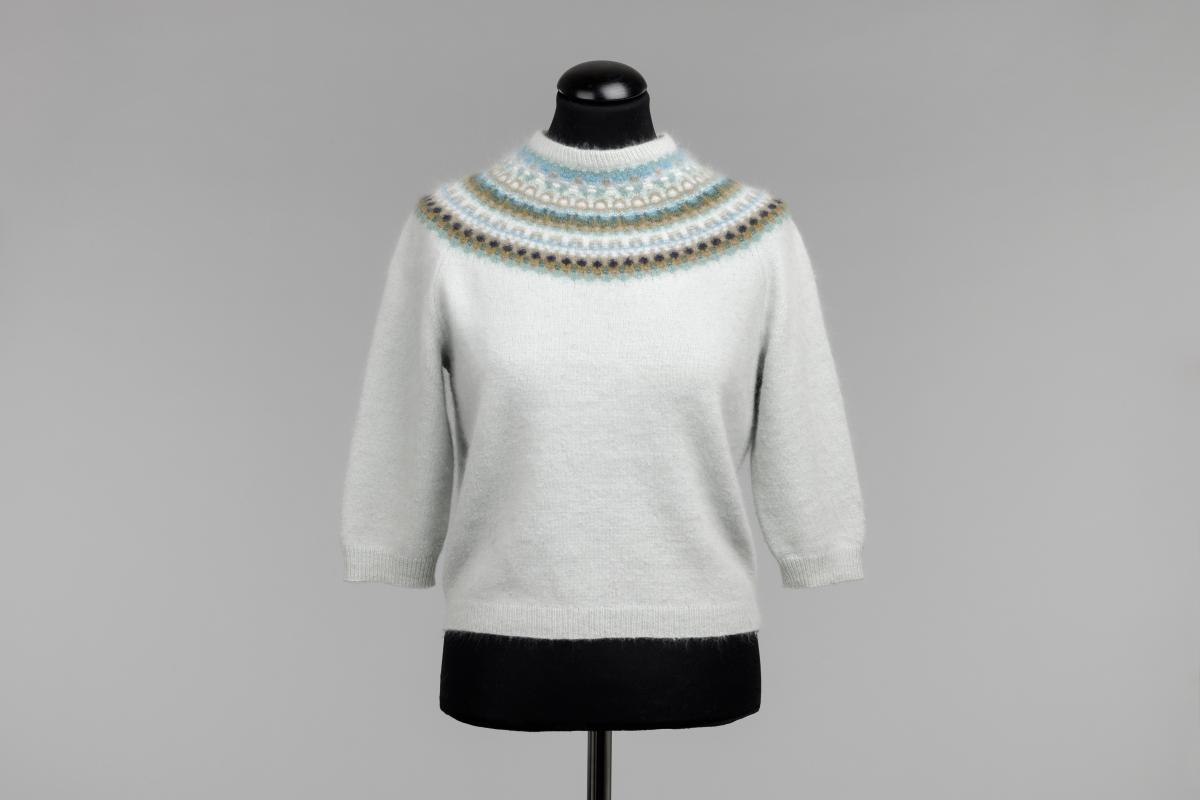
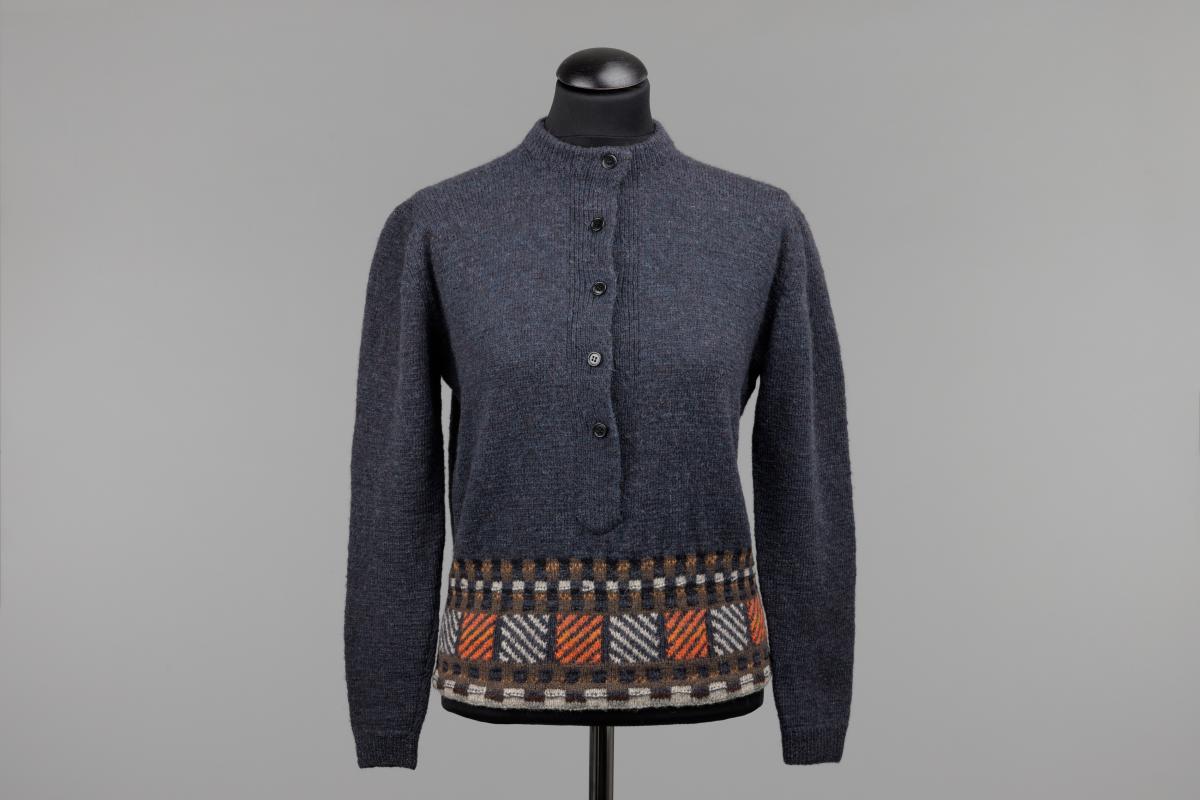
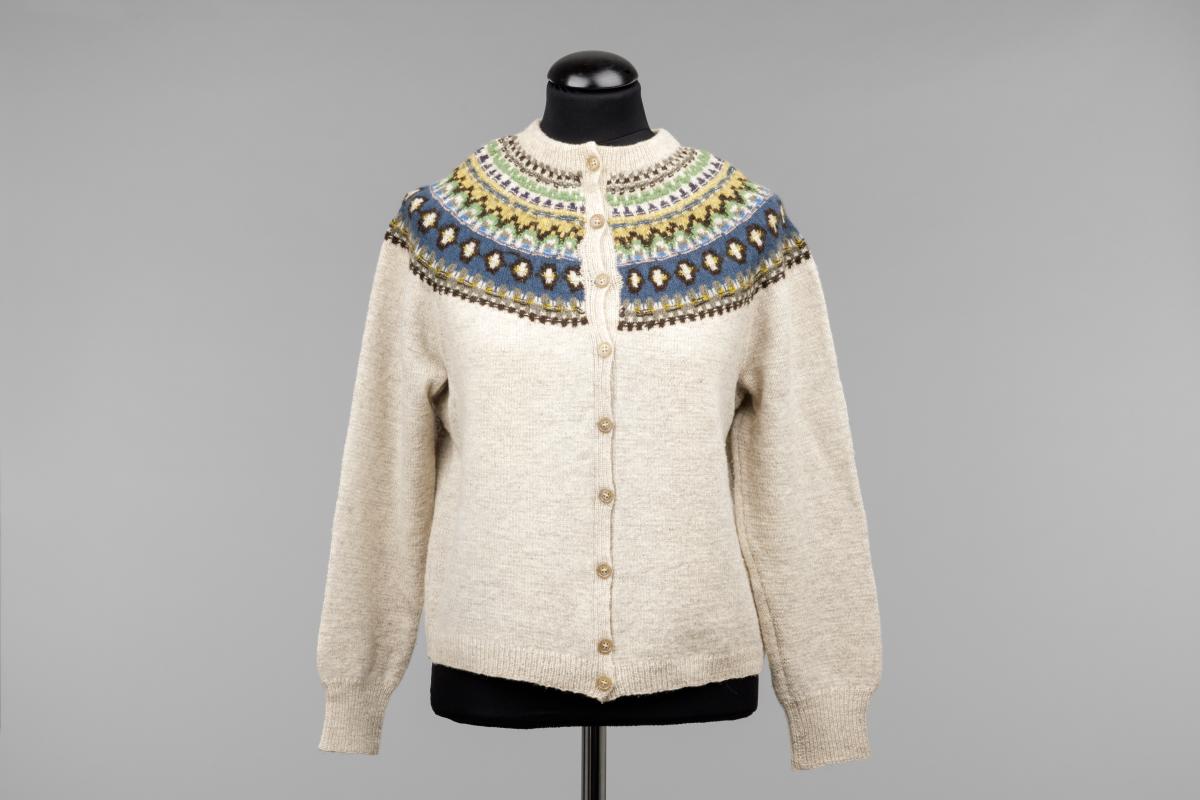
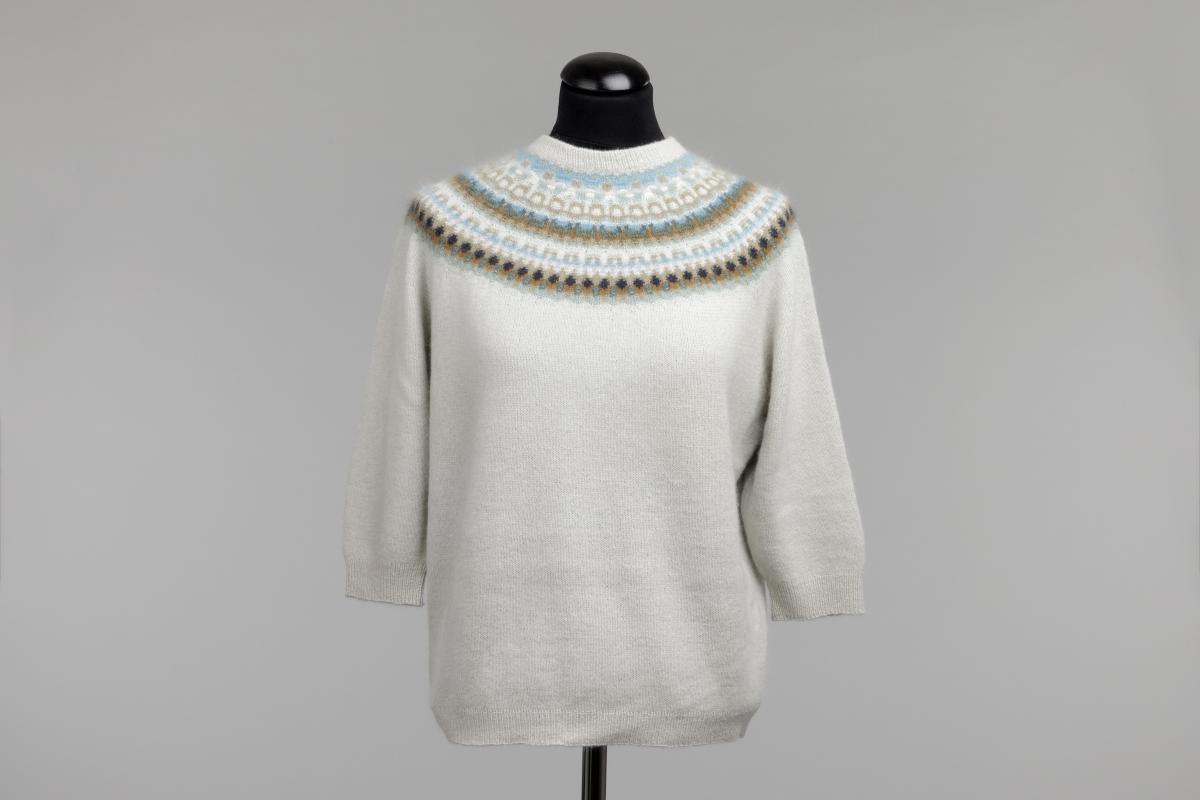
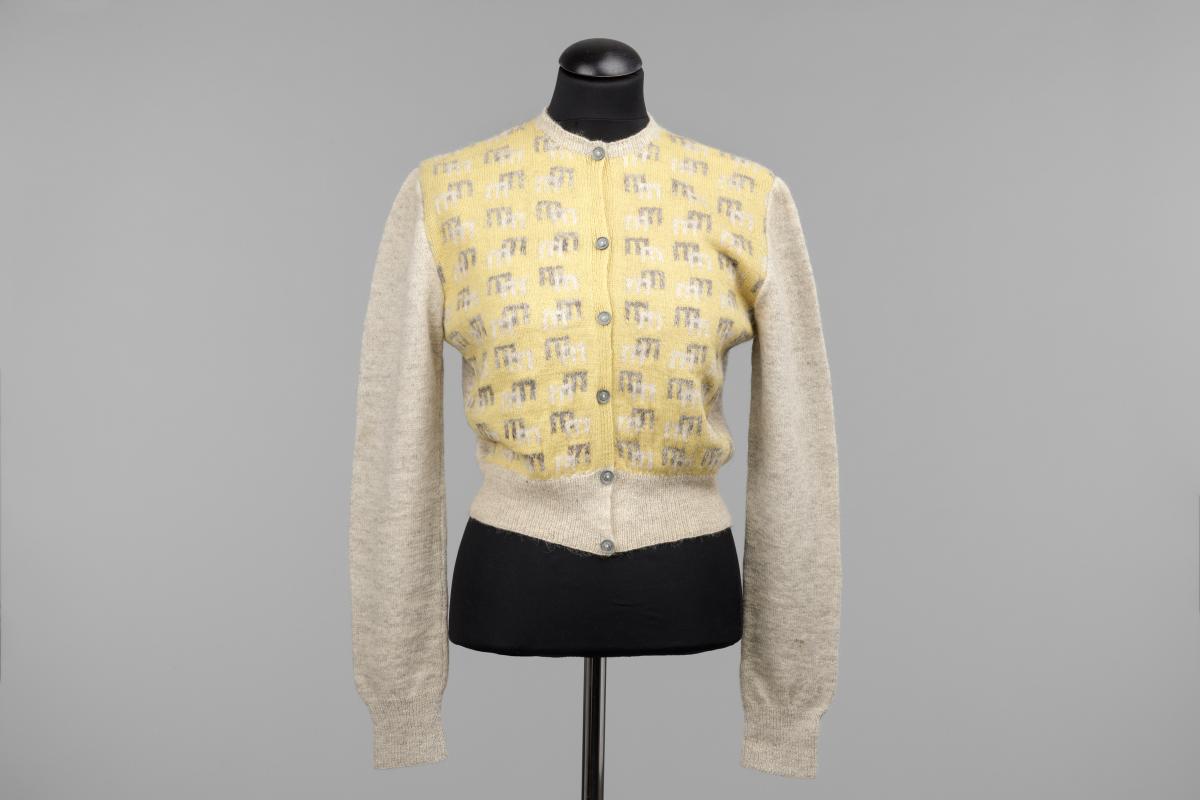
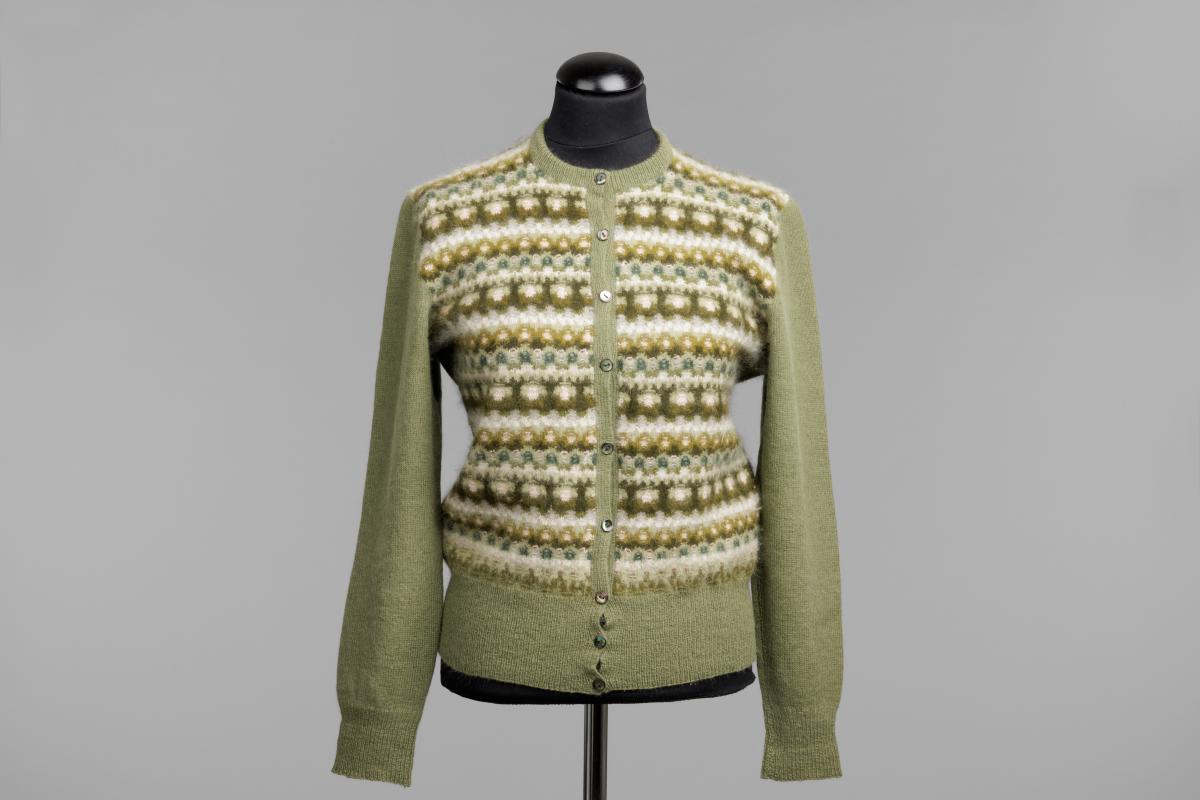
Bohus Stickning
1939 - 1969
Biography
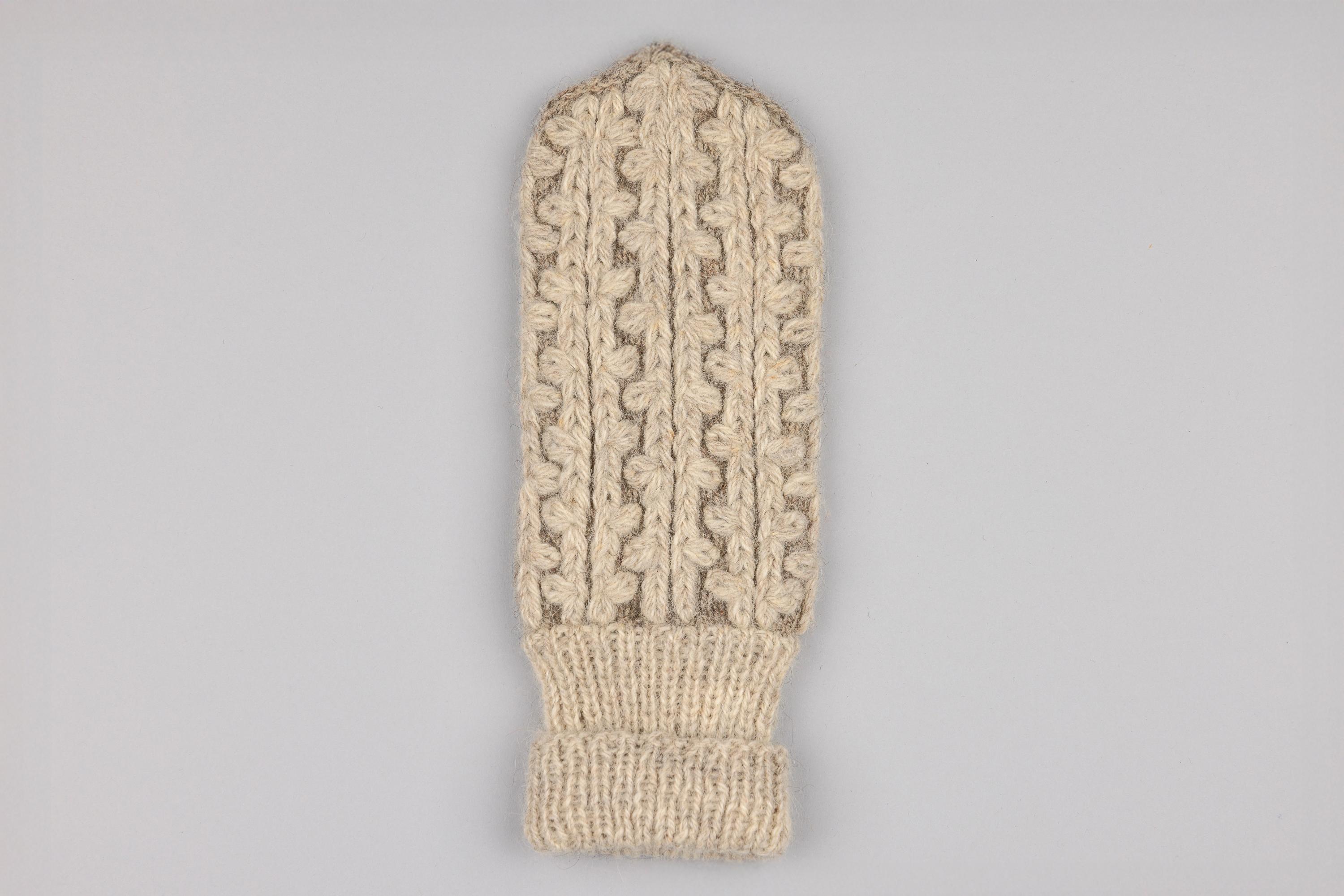
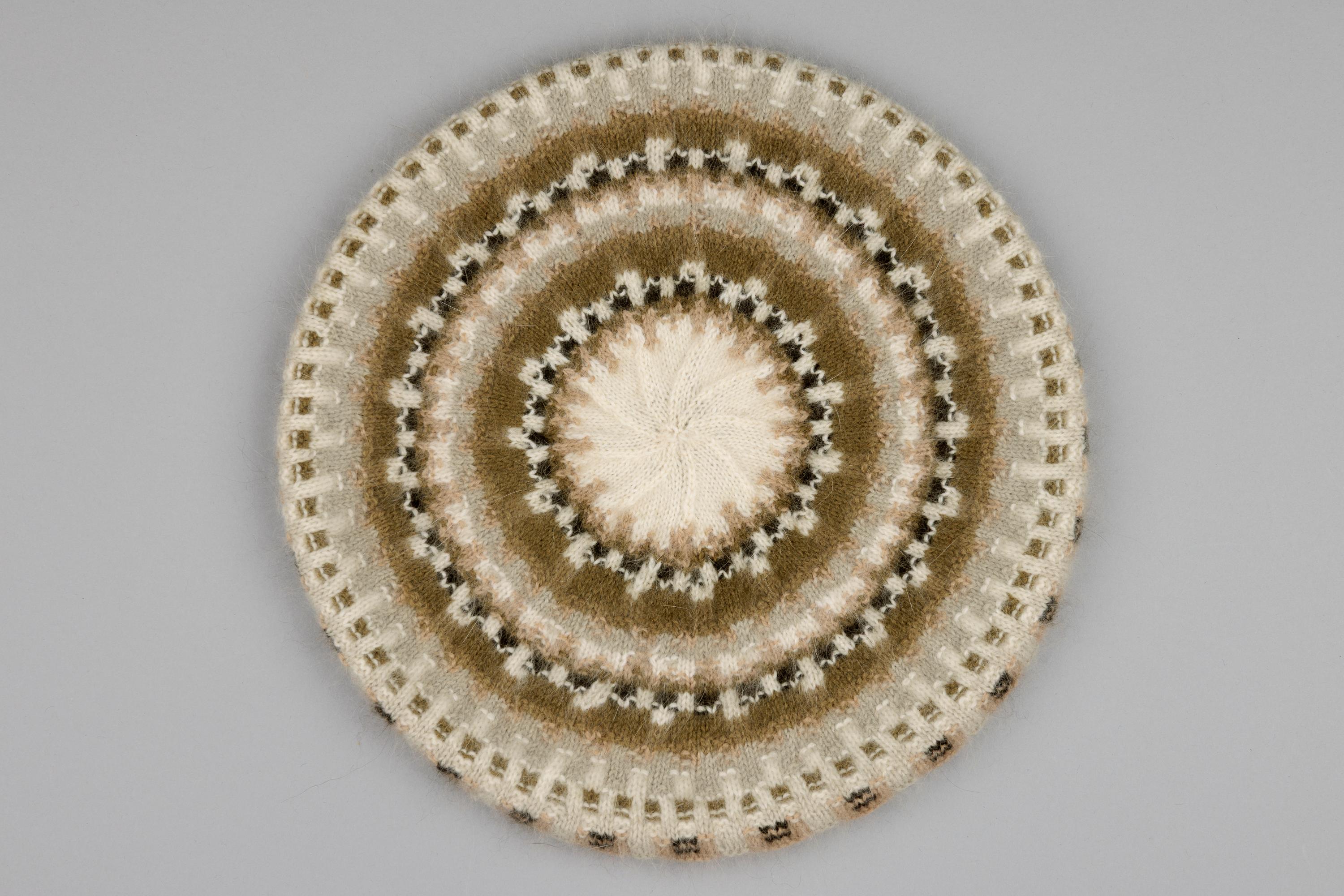
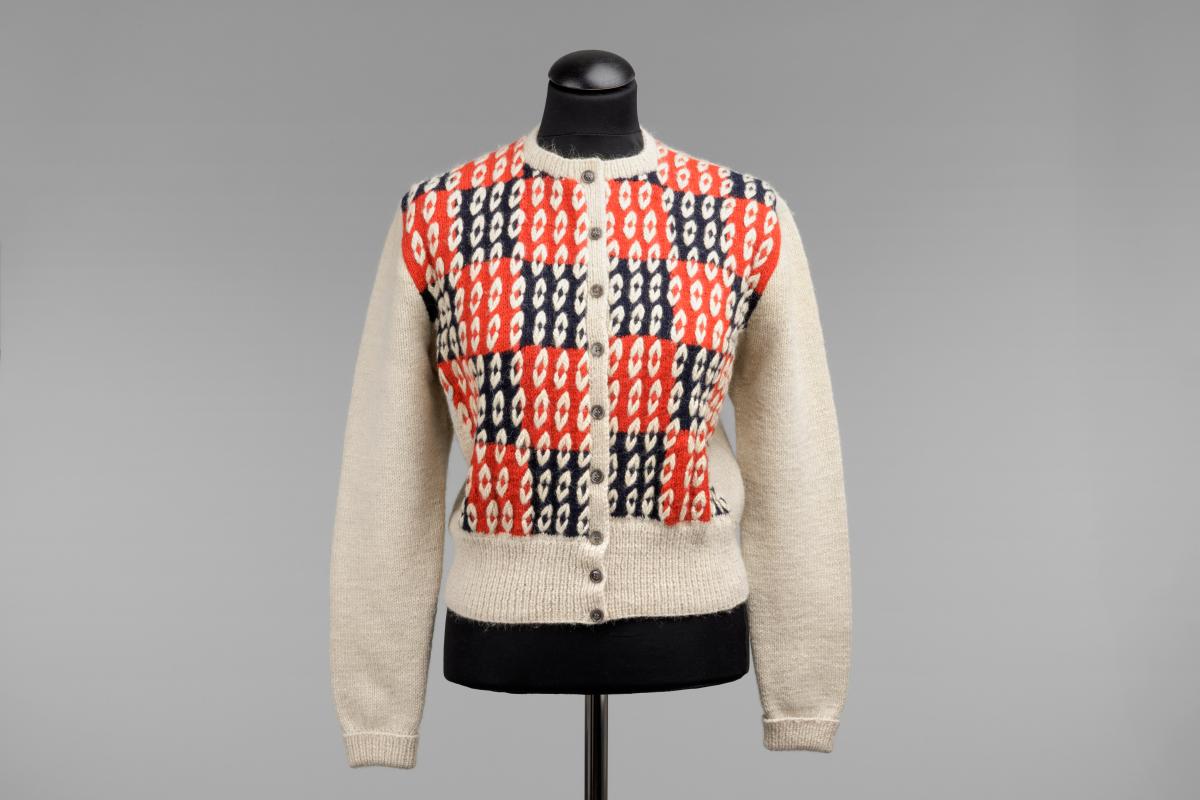
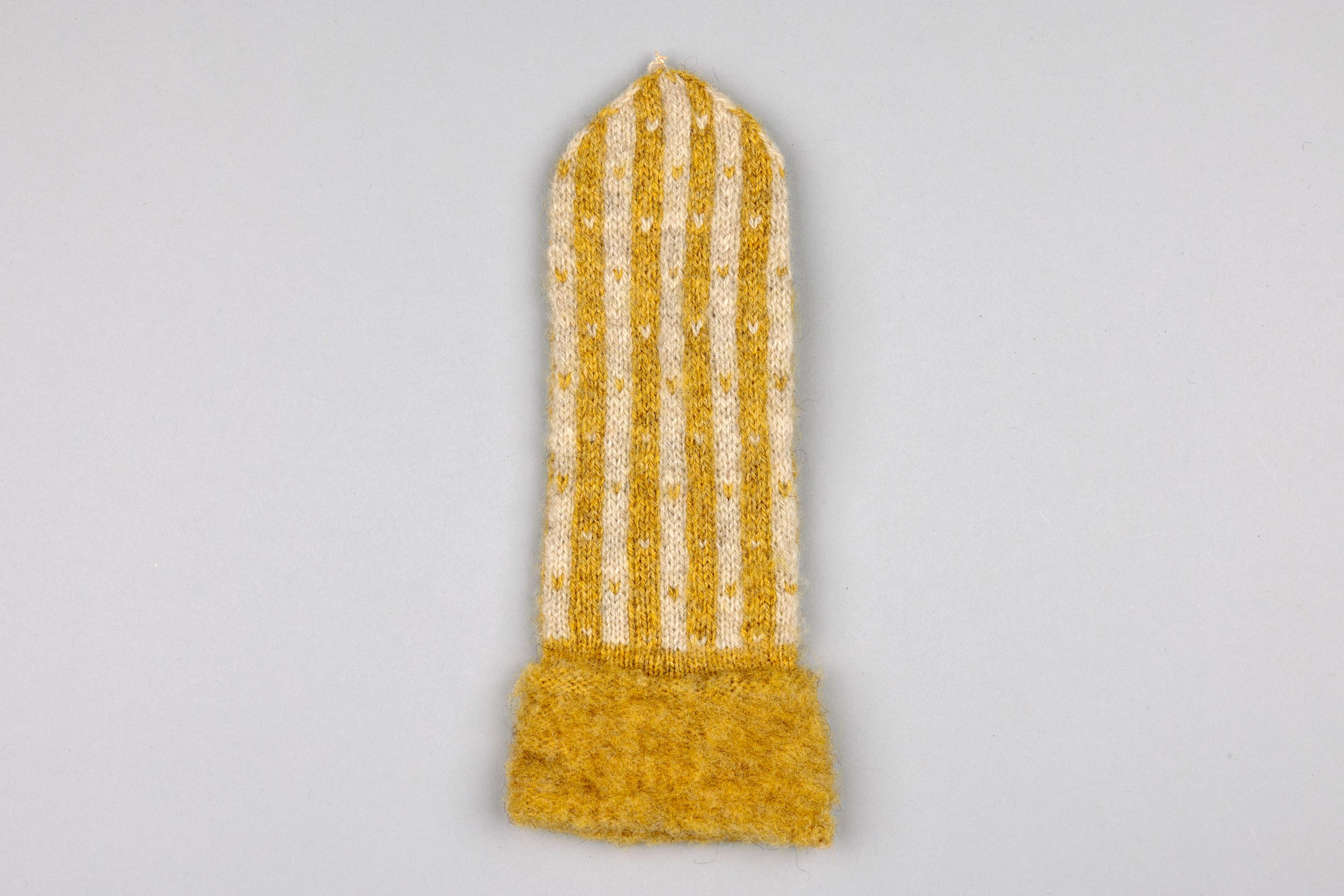
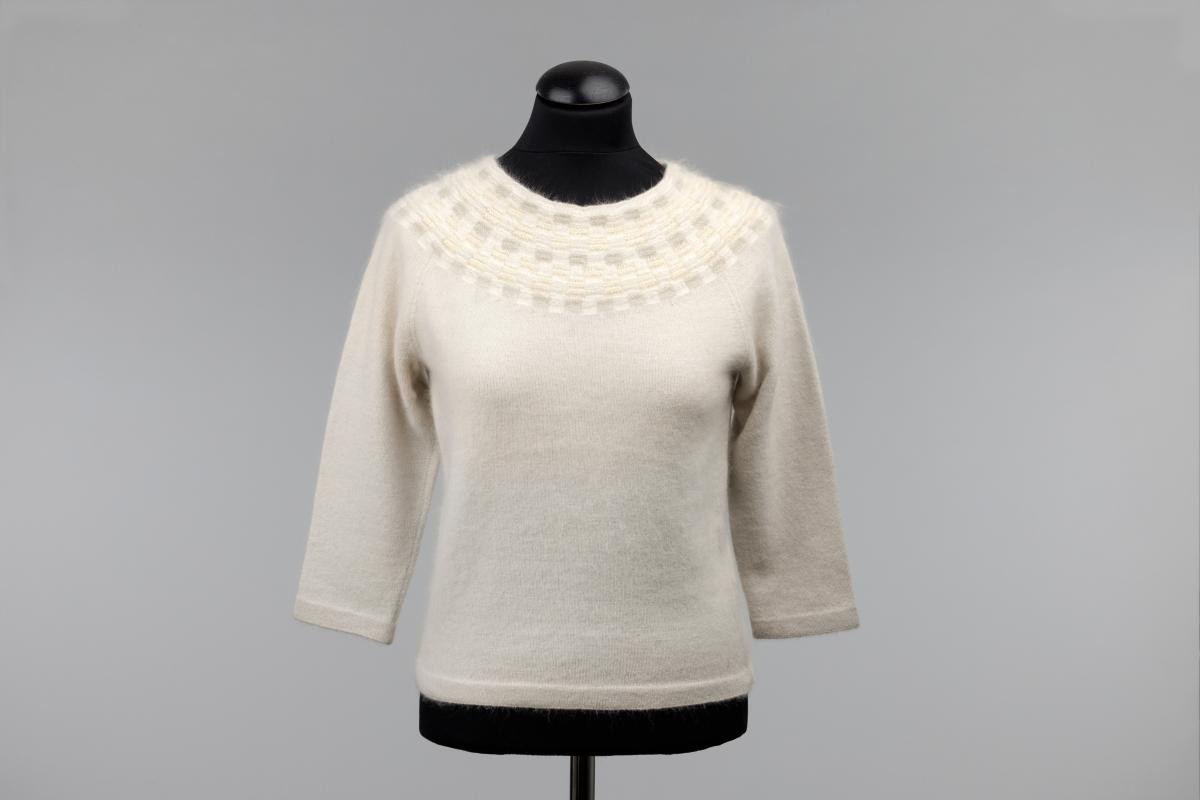
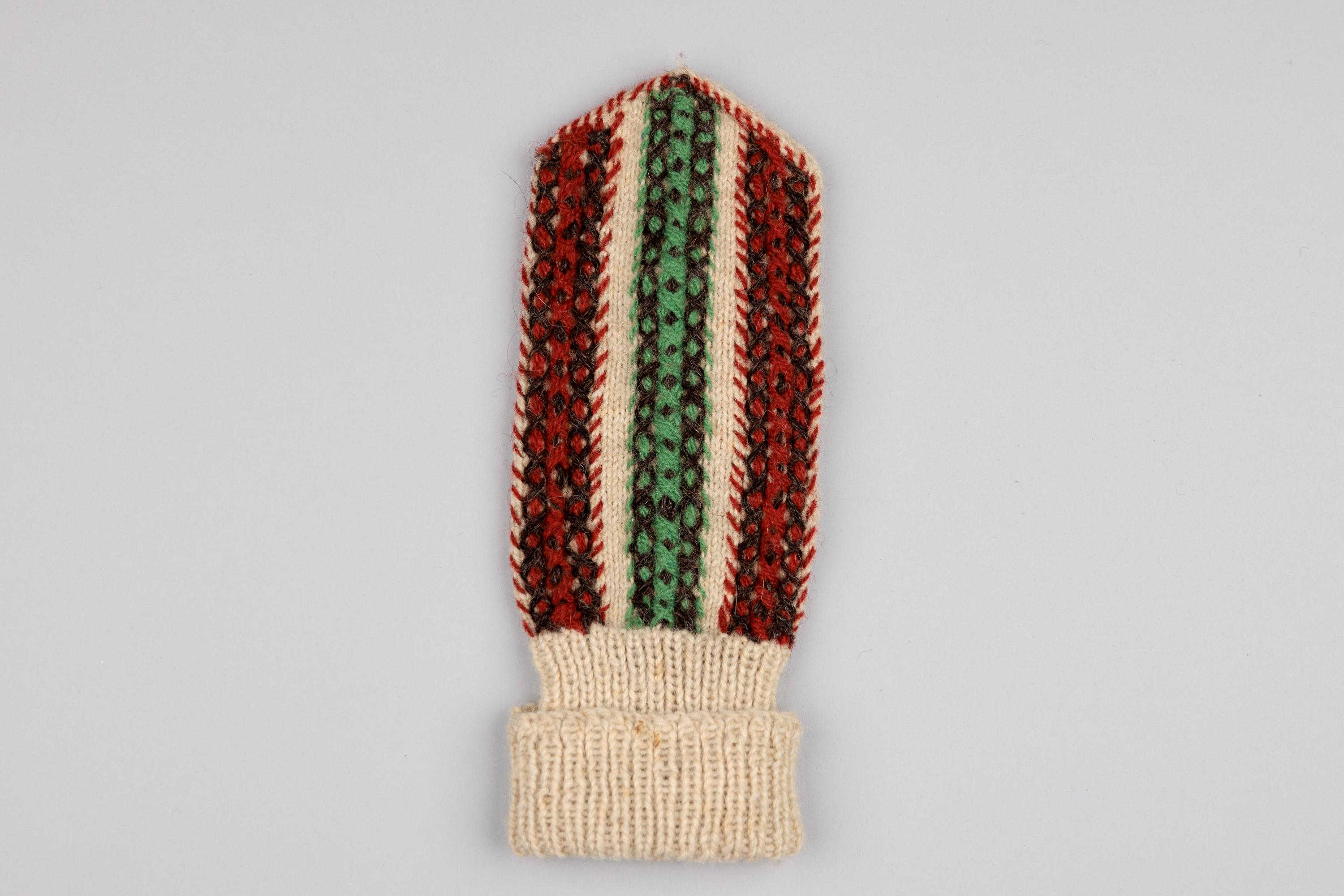
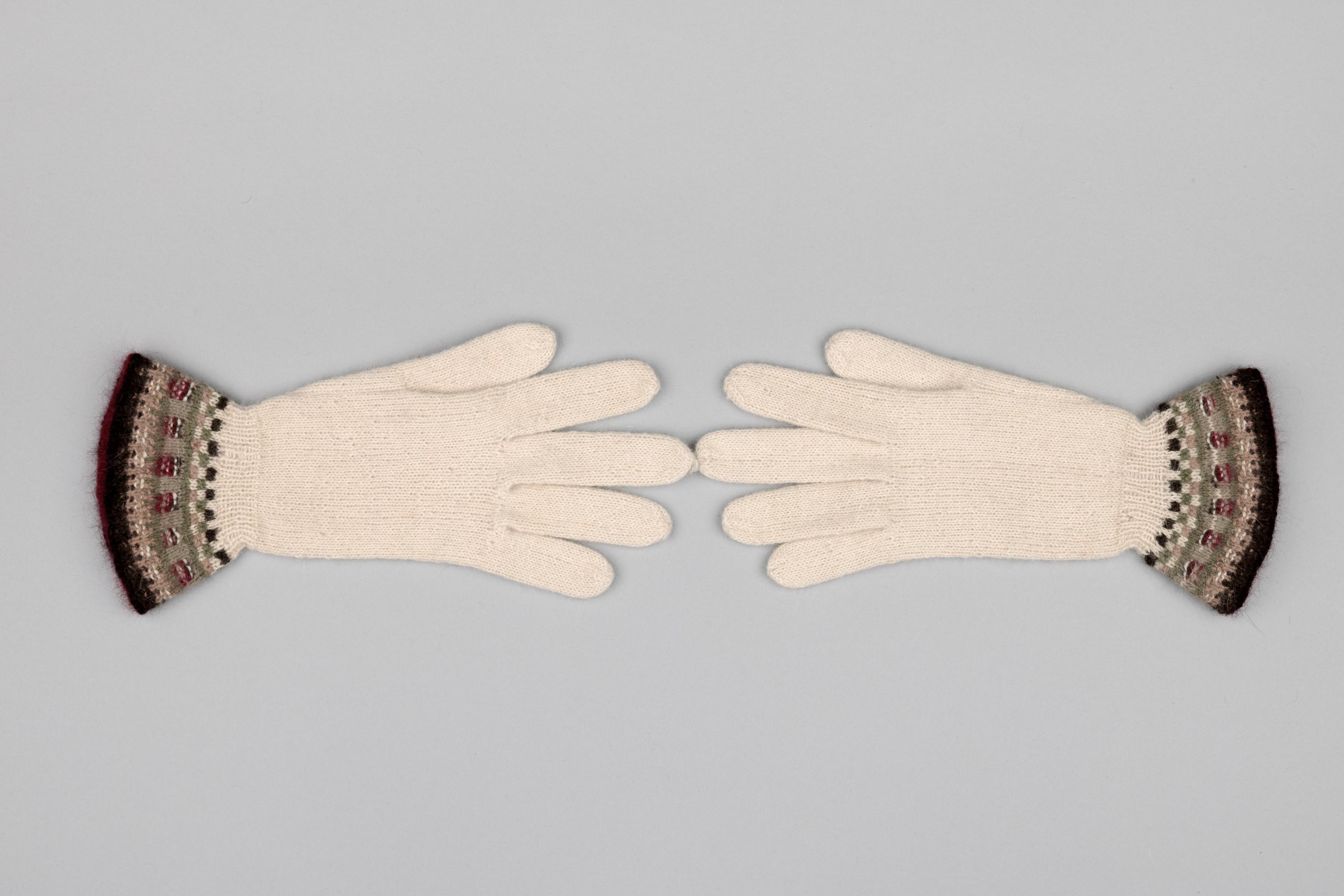
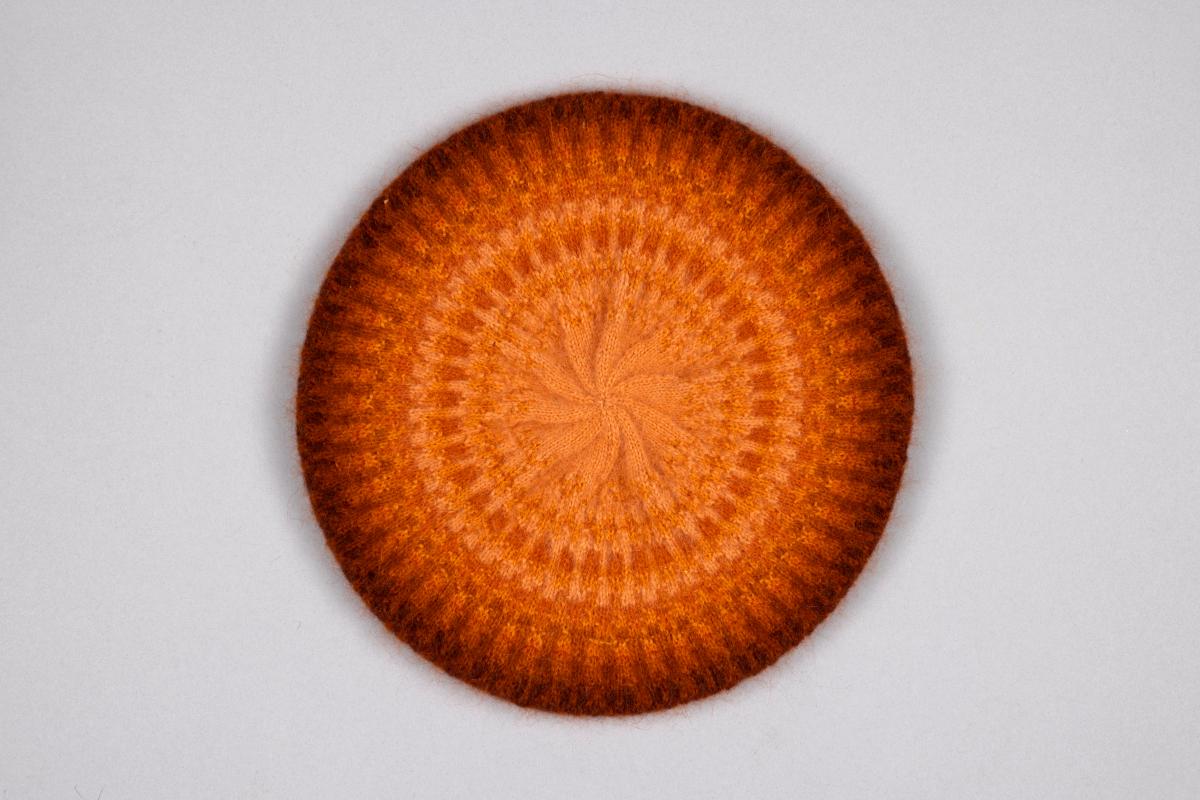
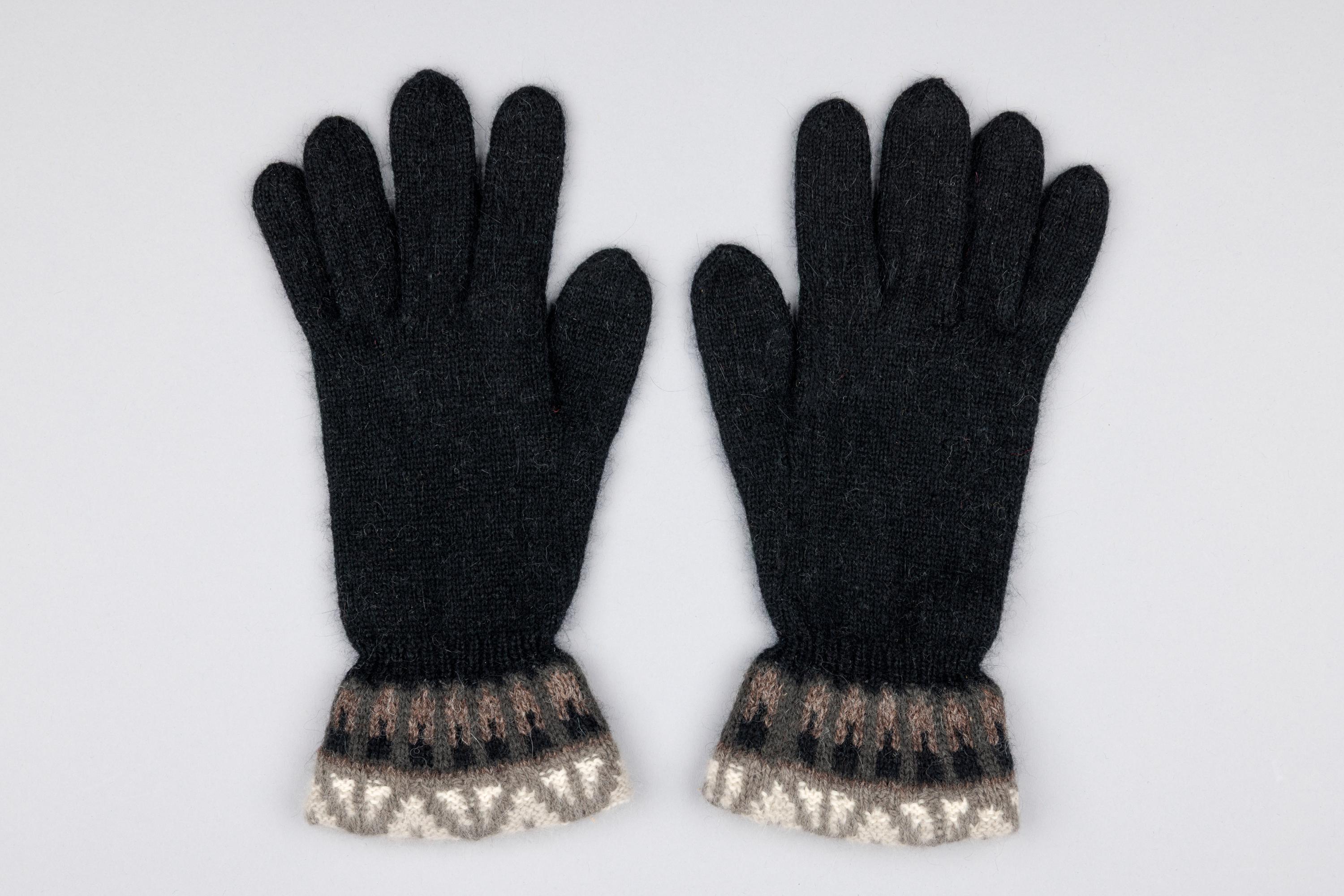
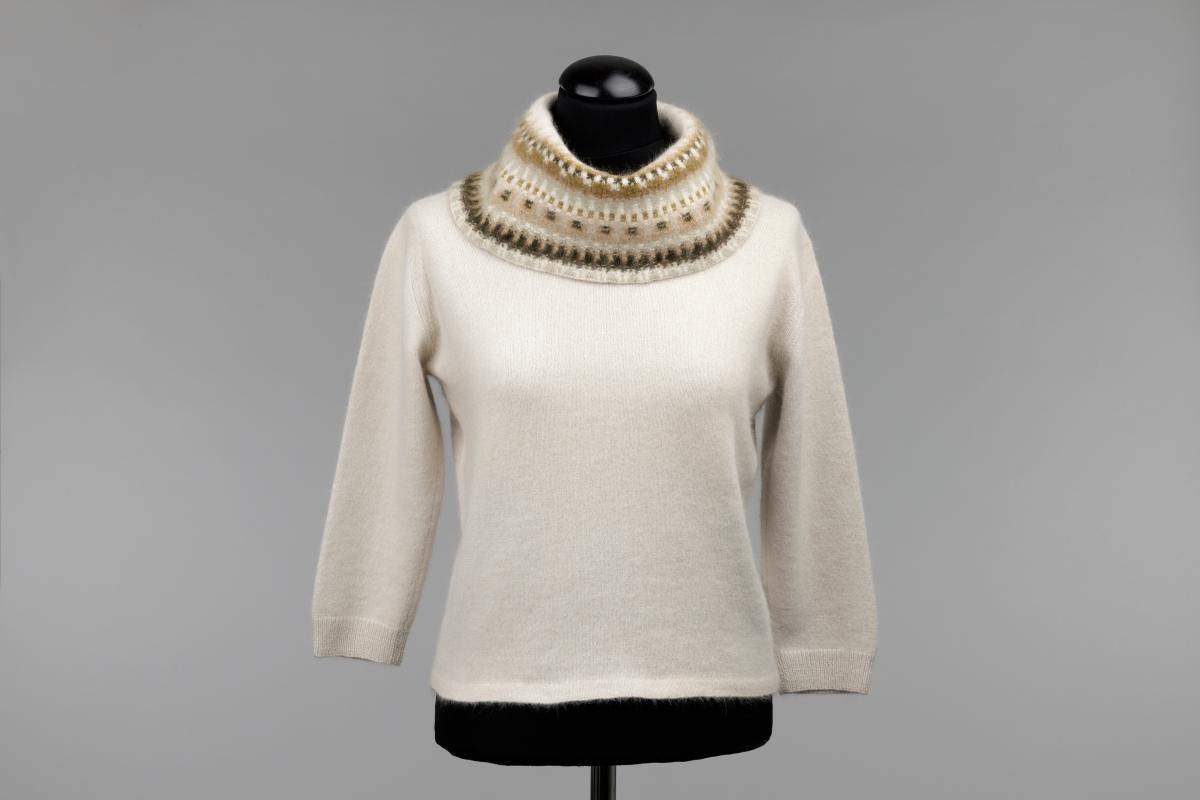
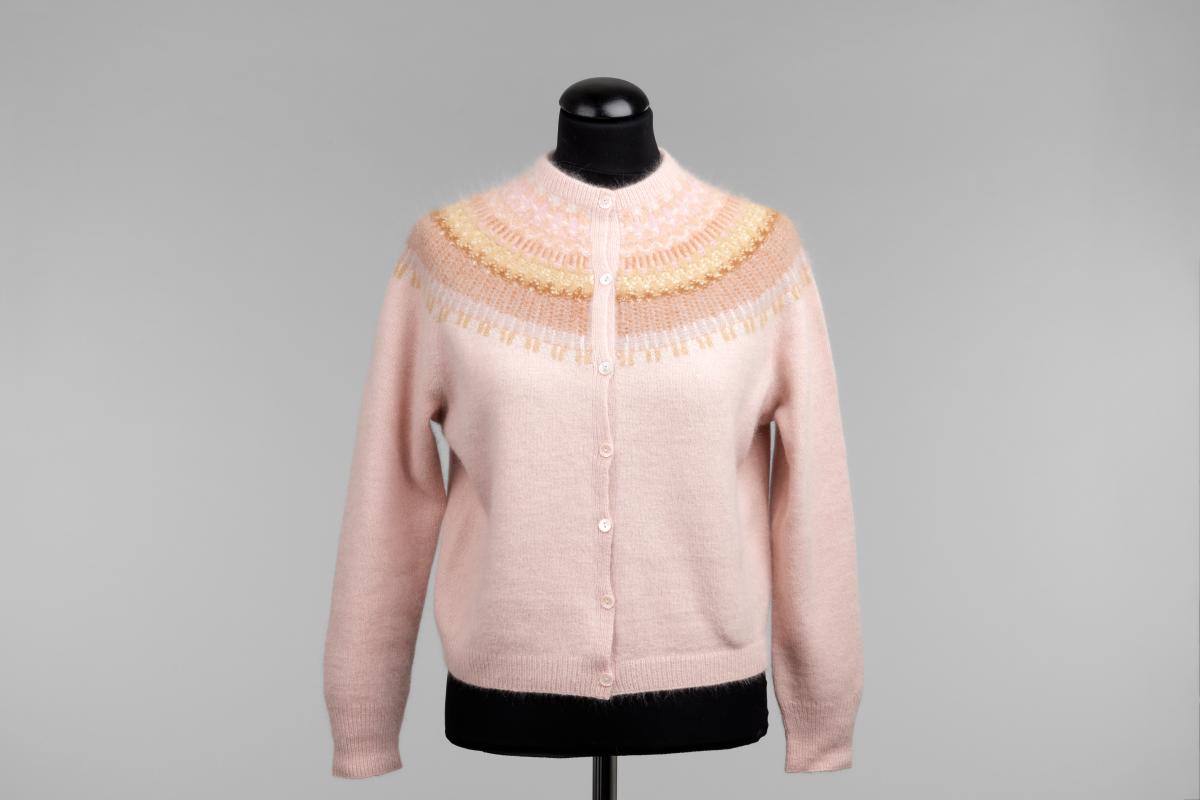
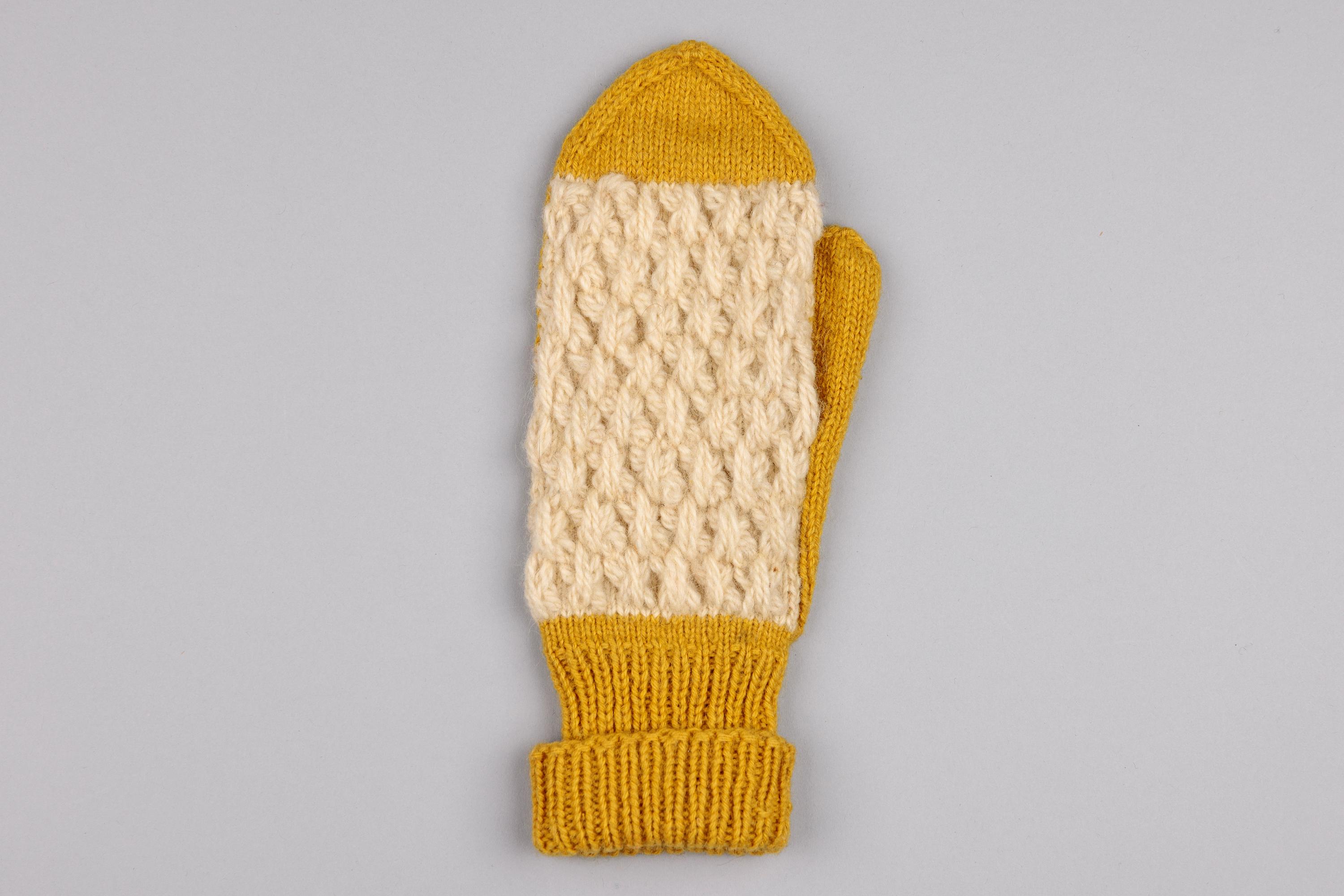
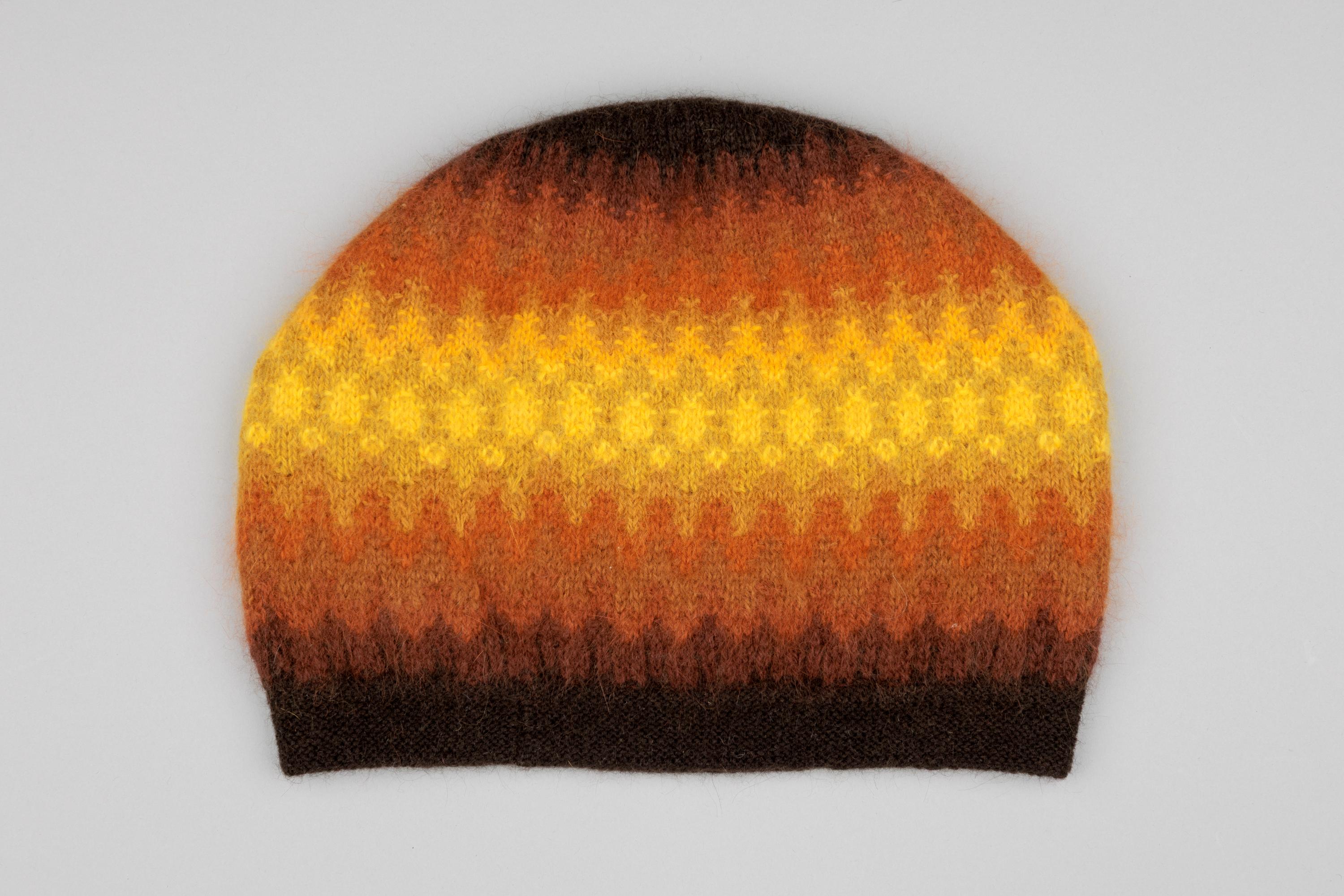
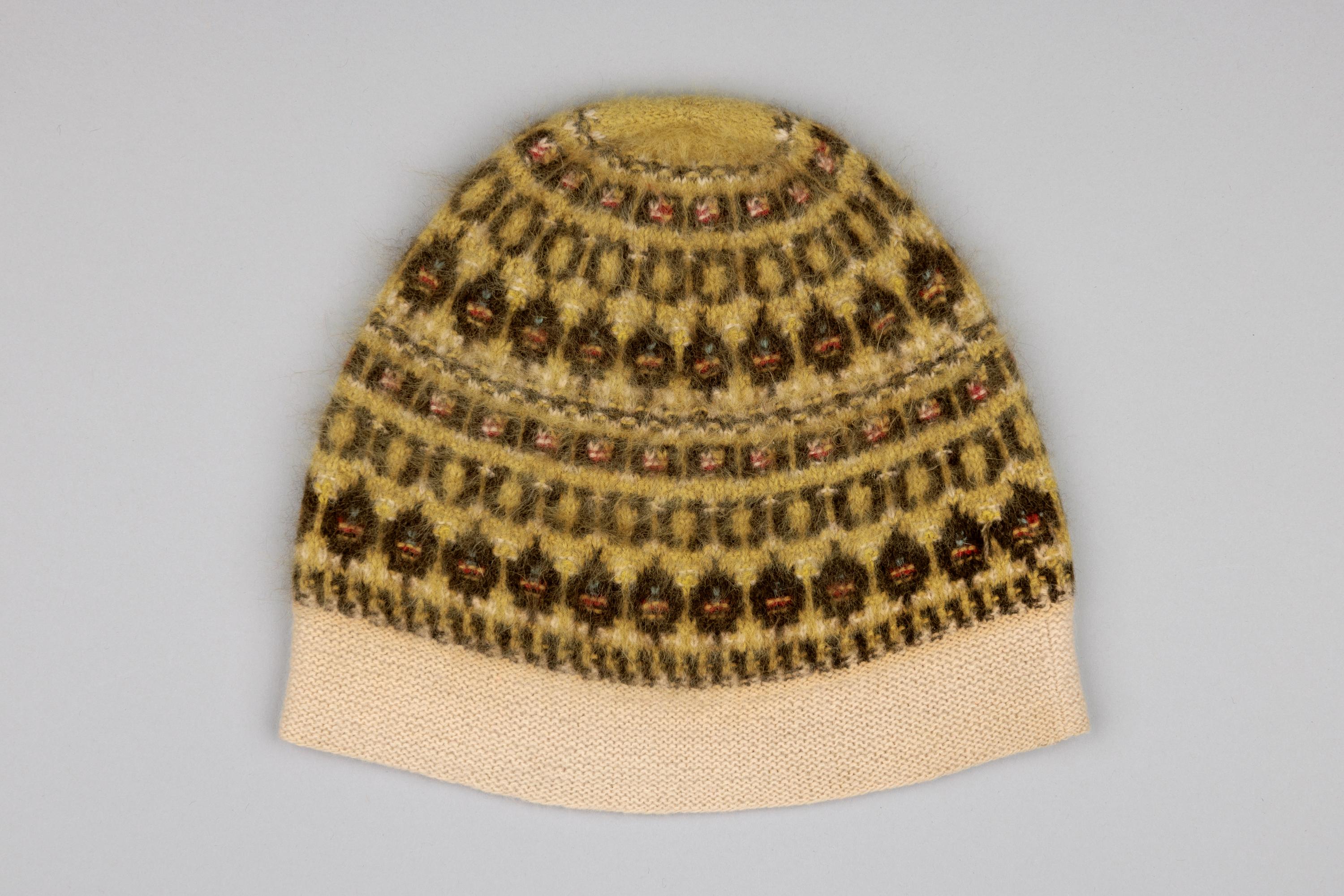
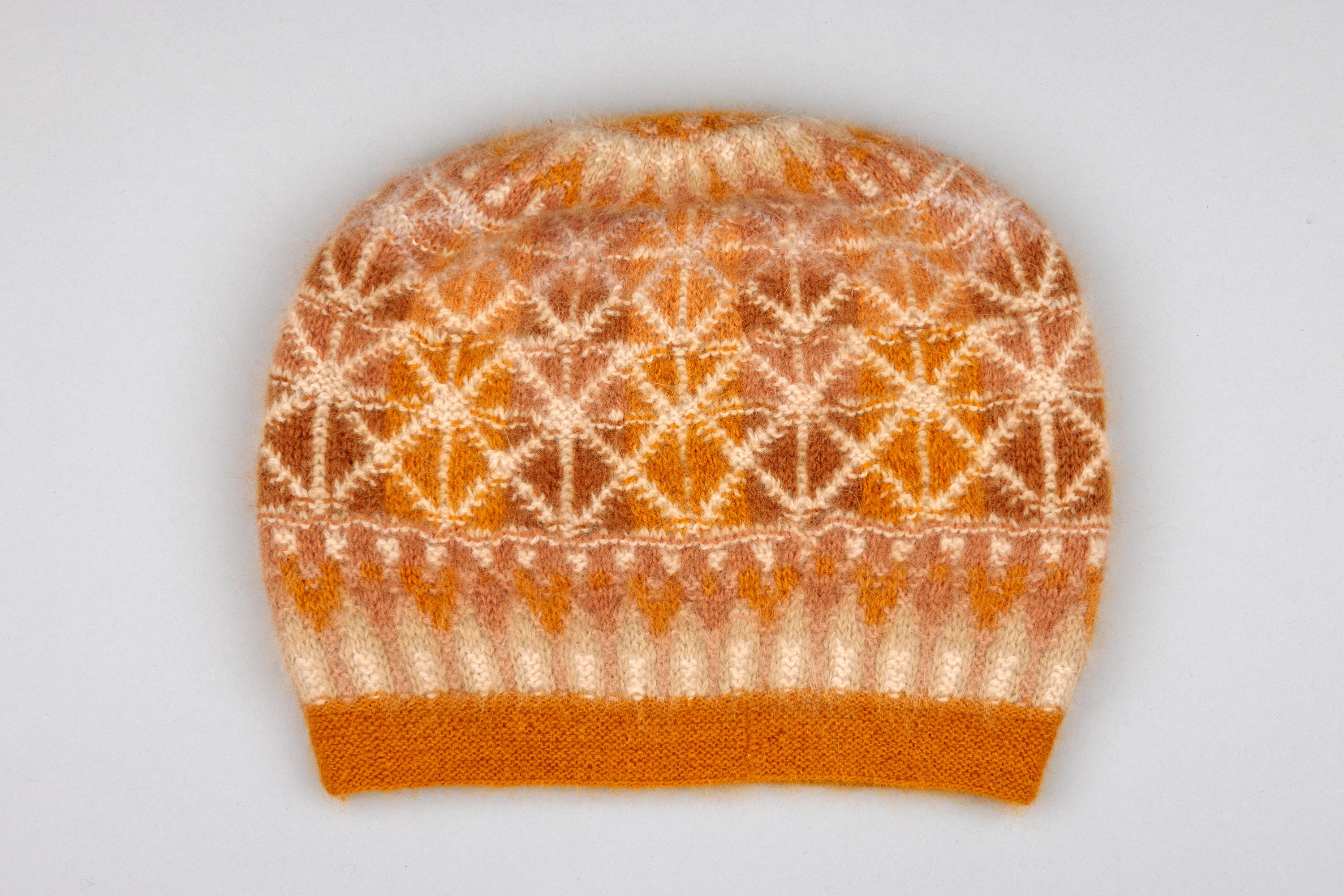
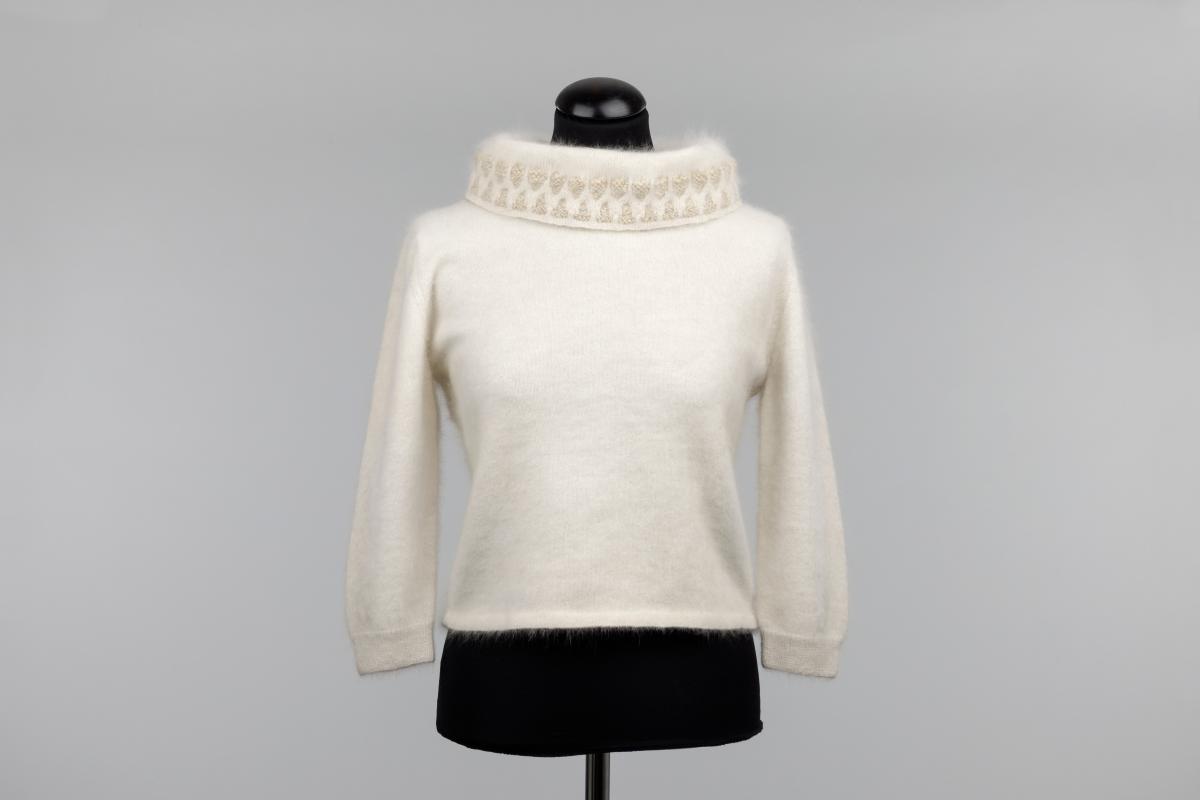
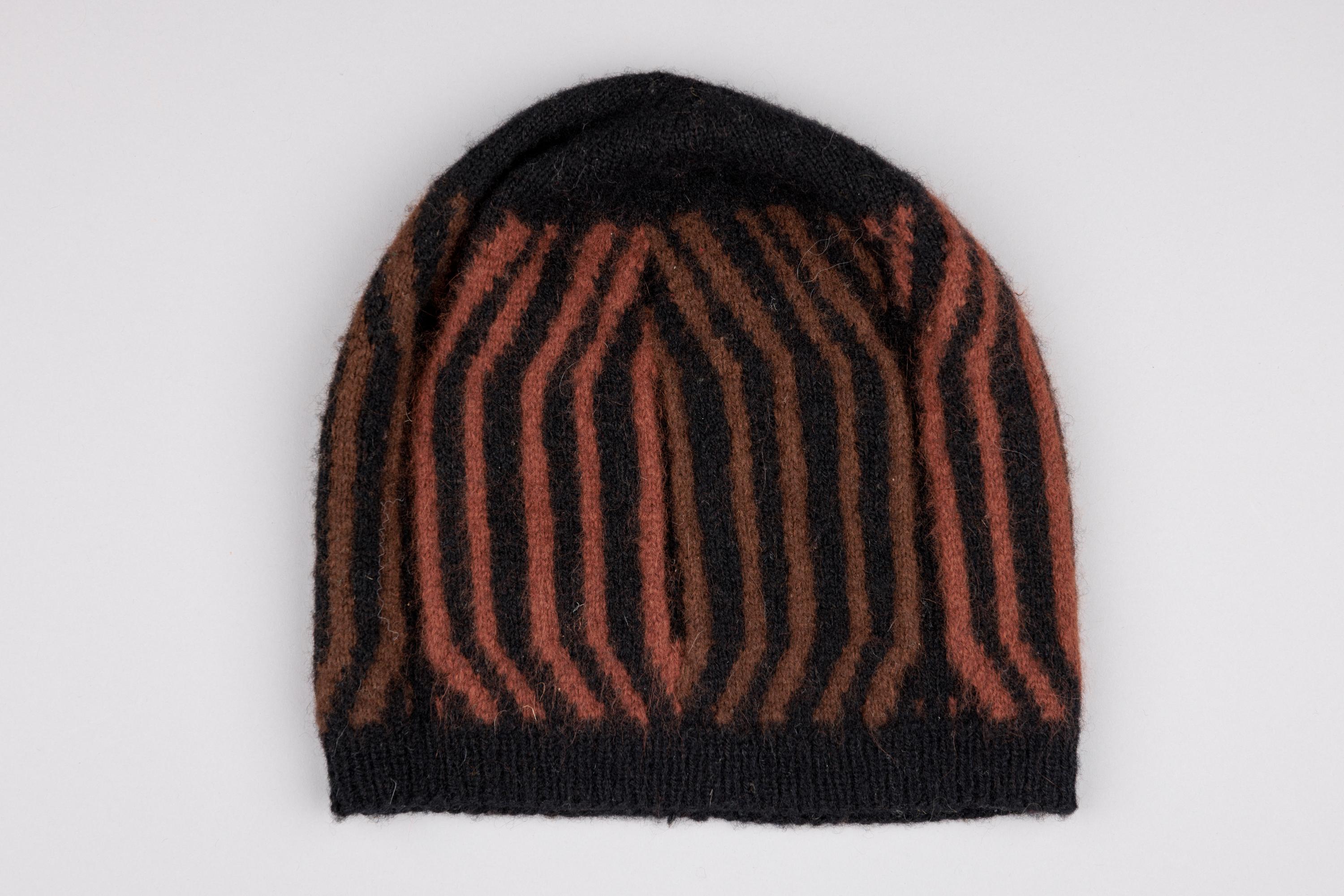
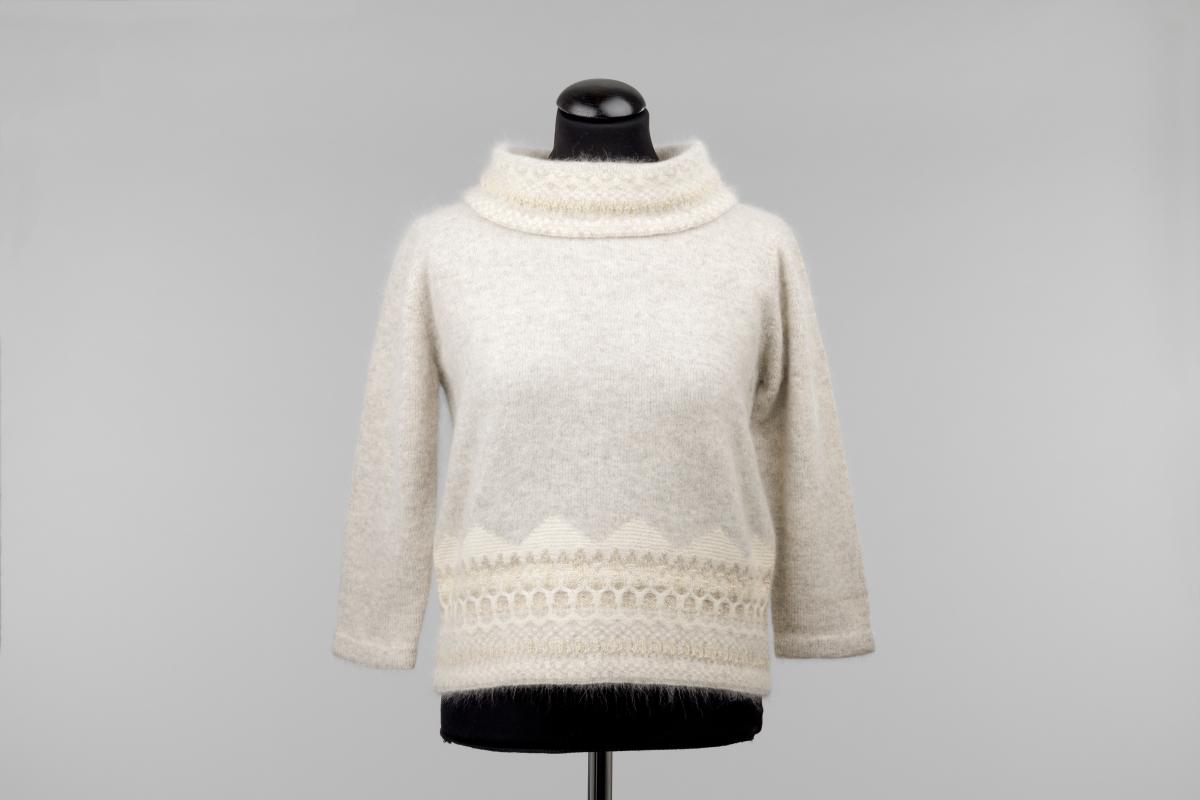
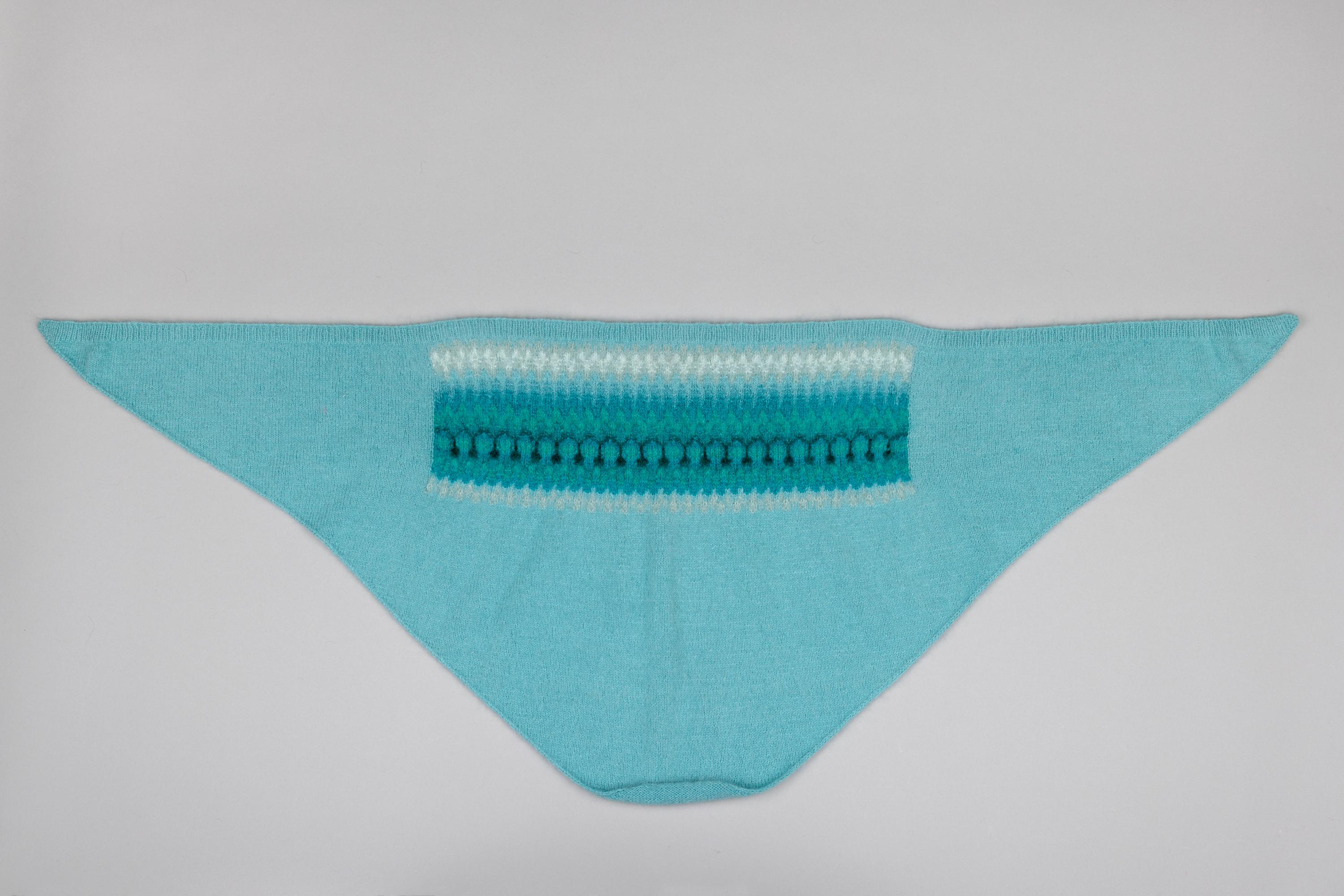
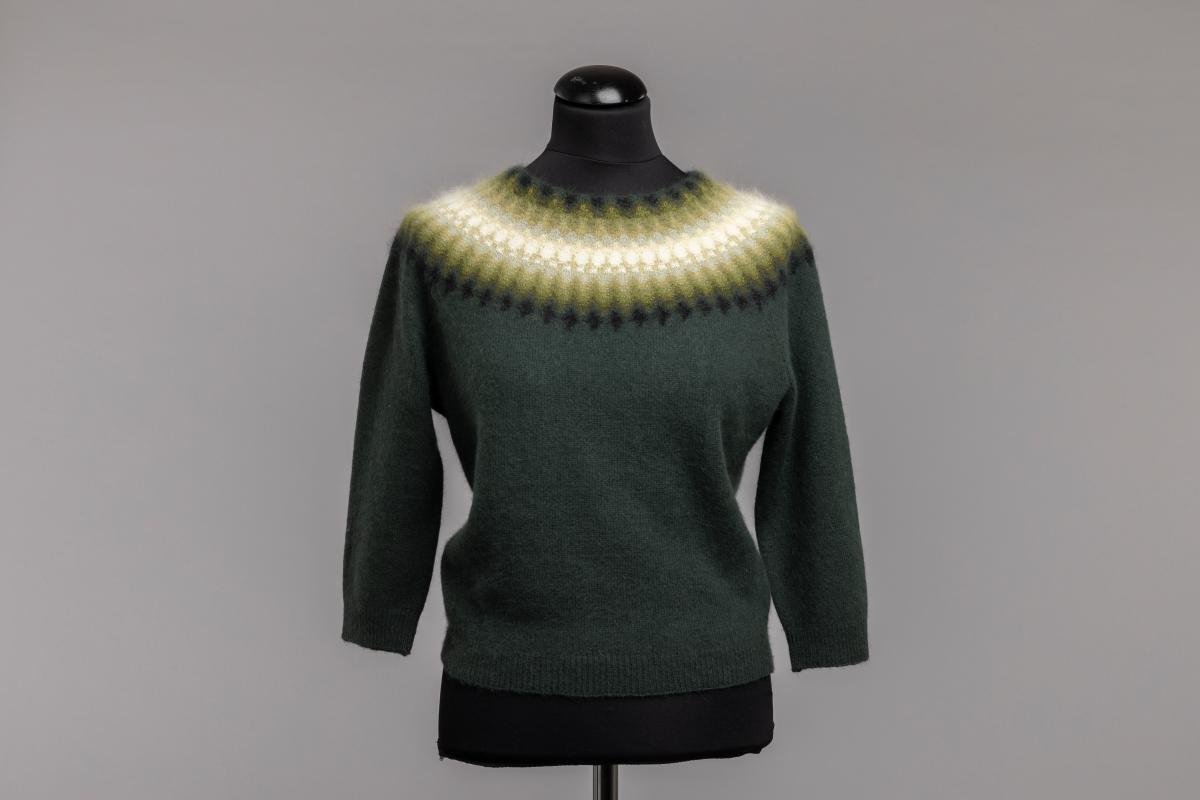
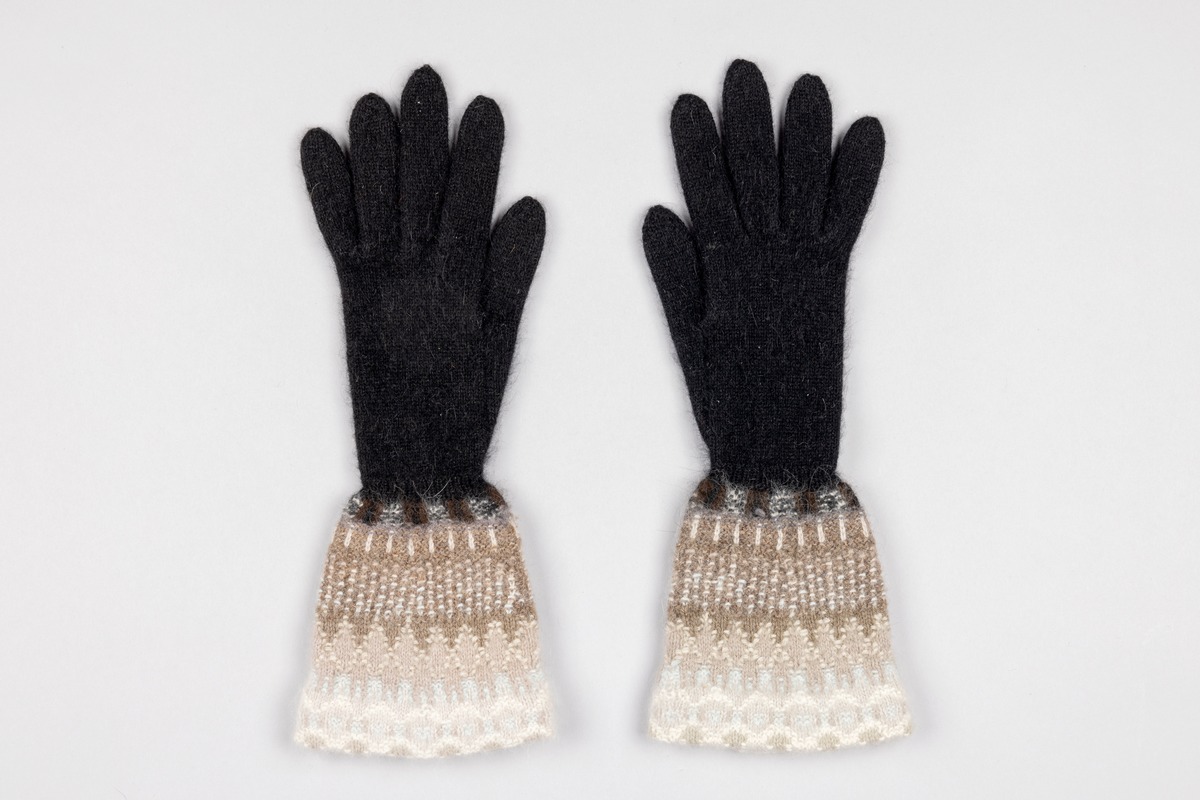
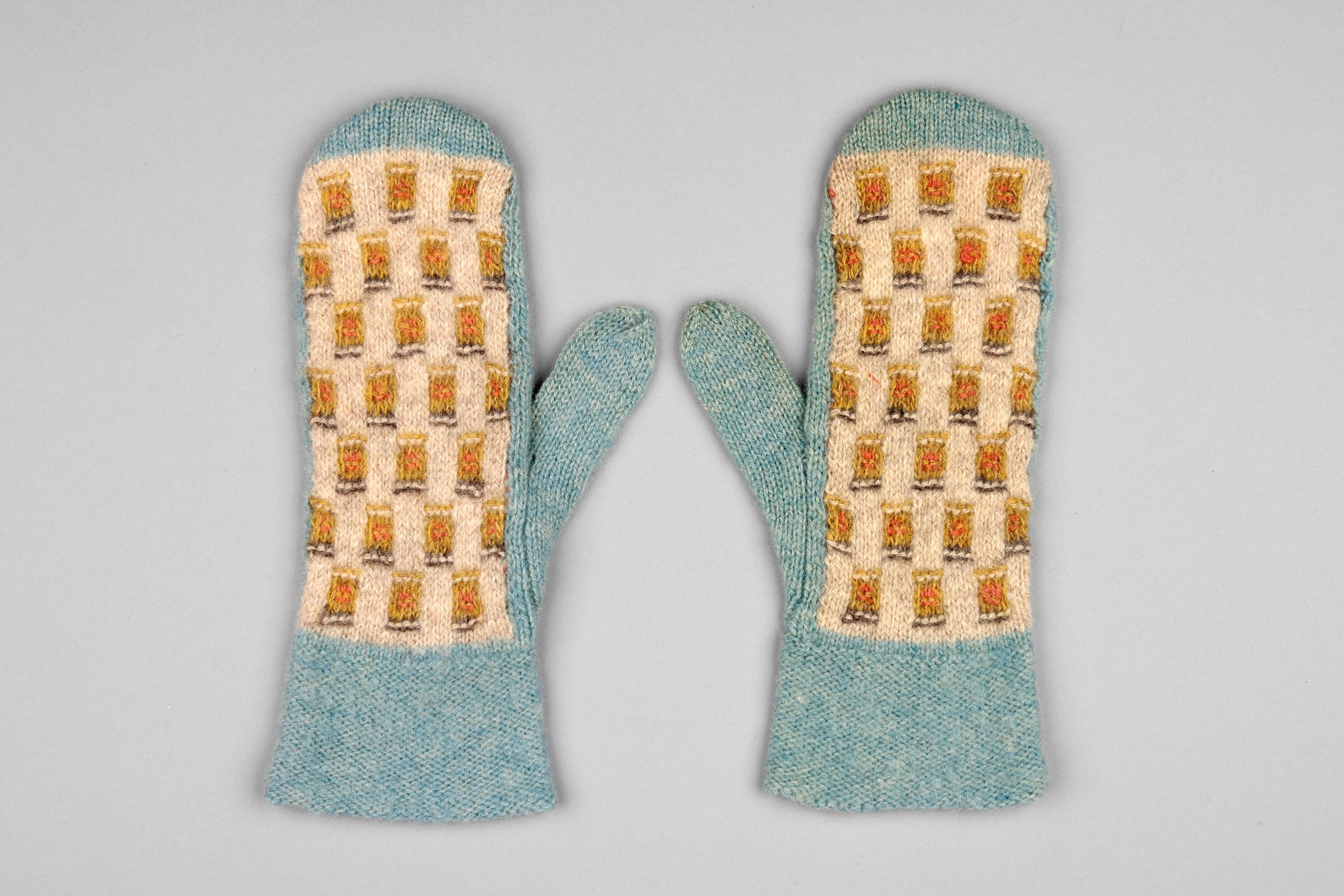
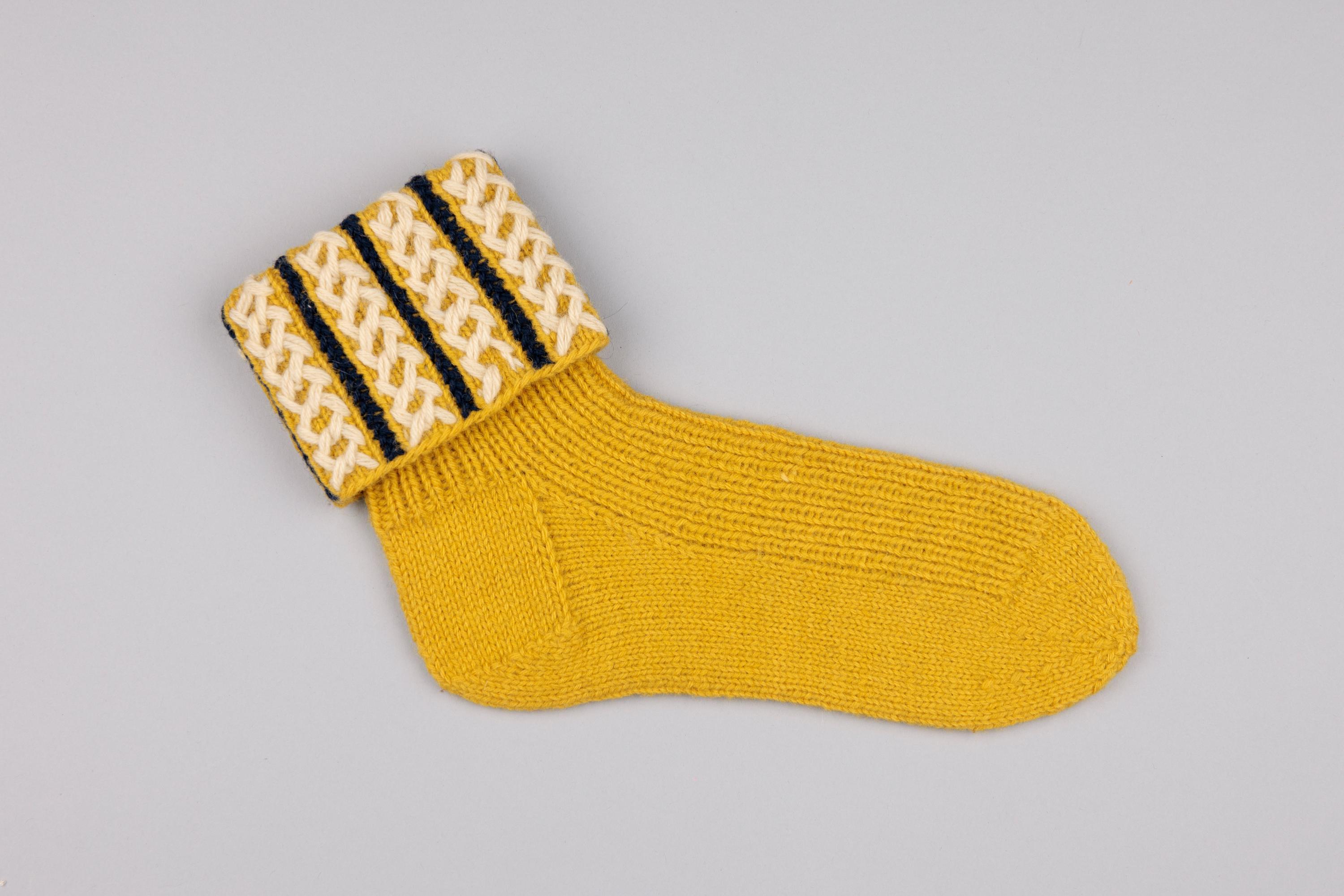
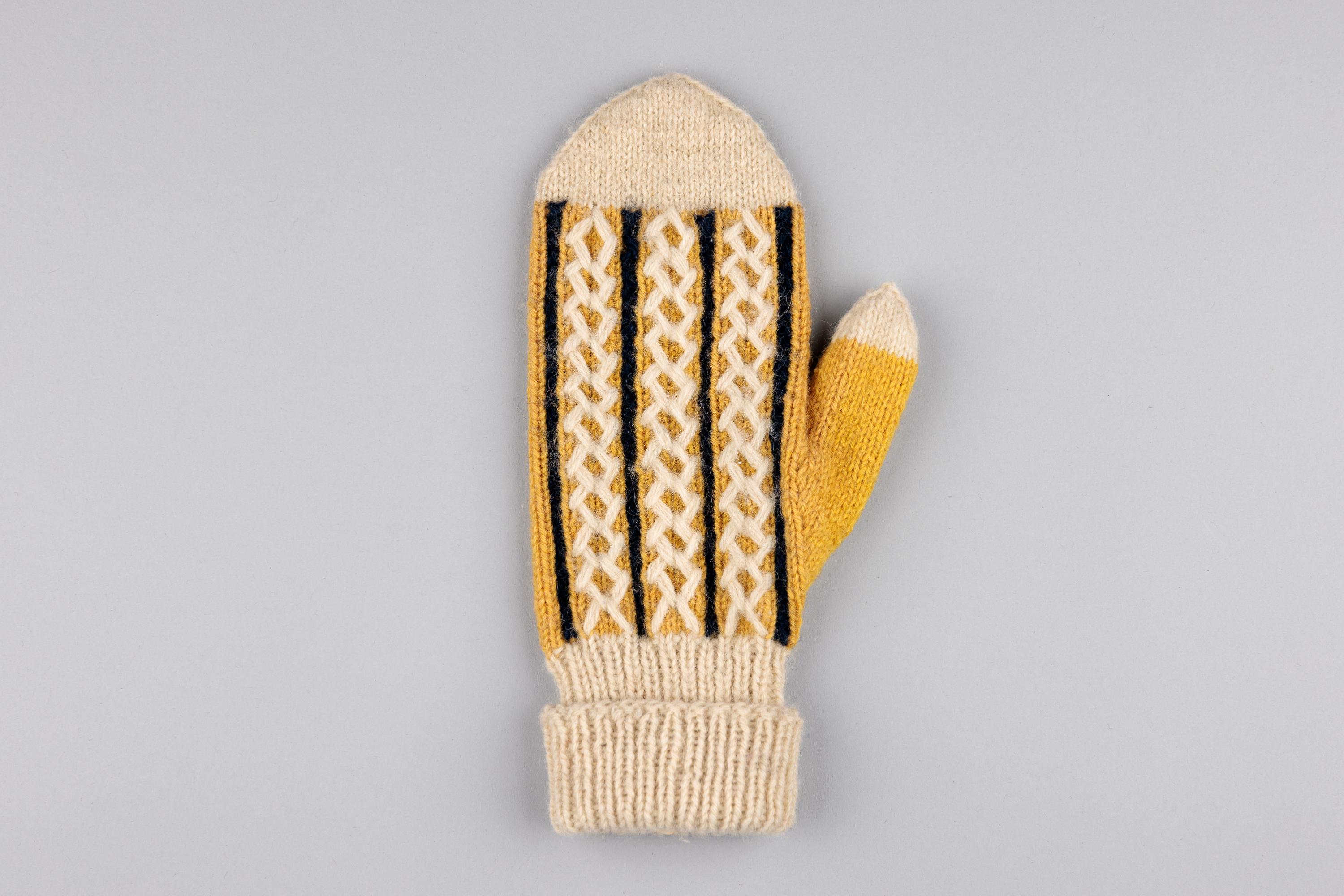
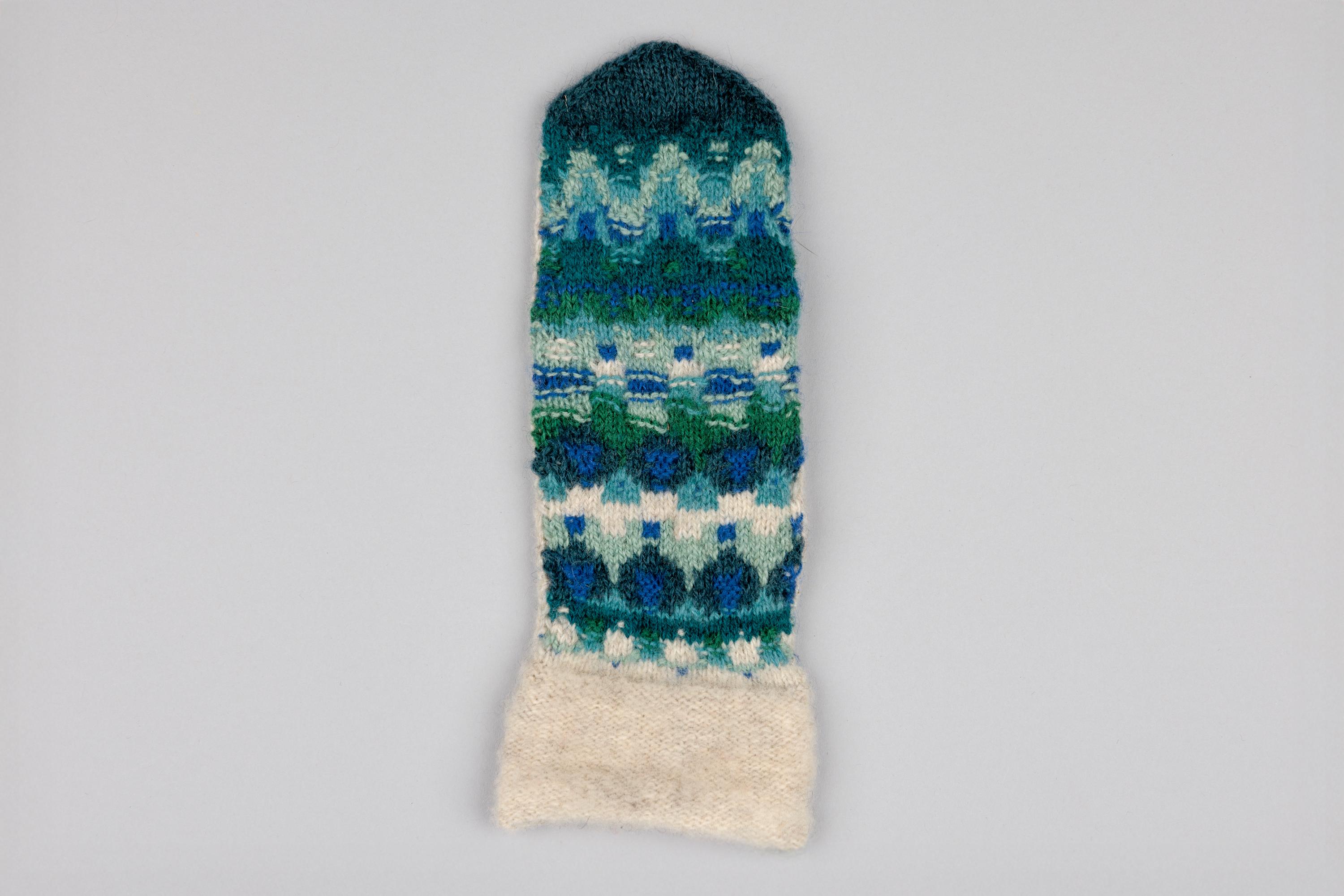
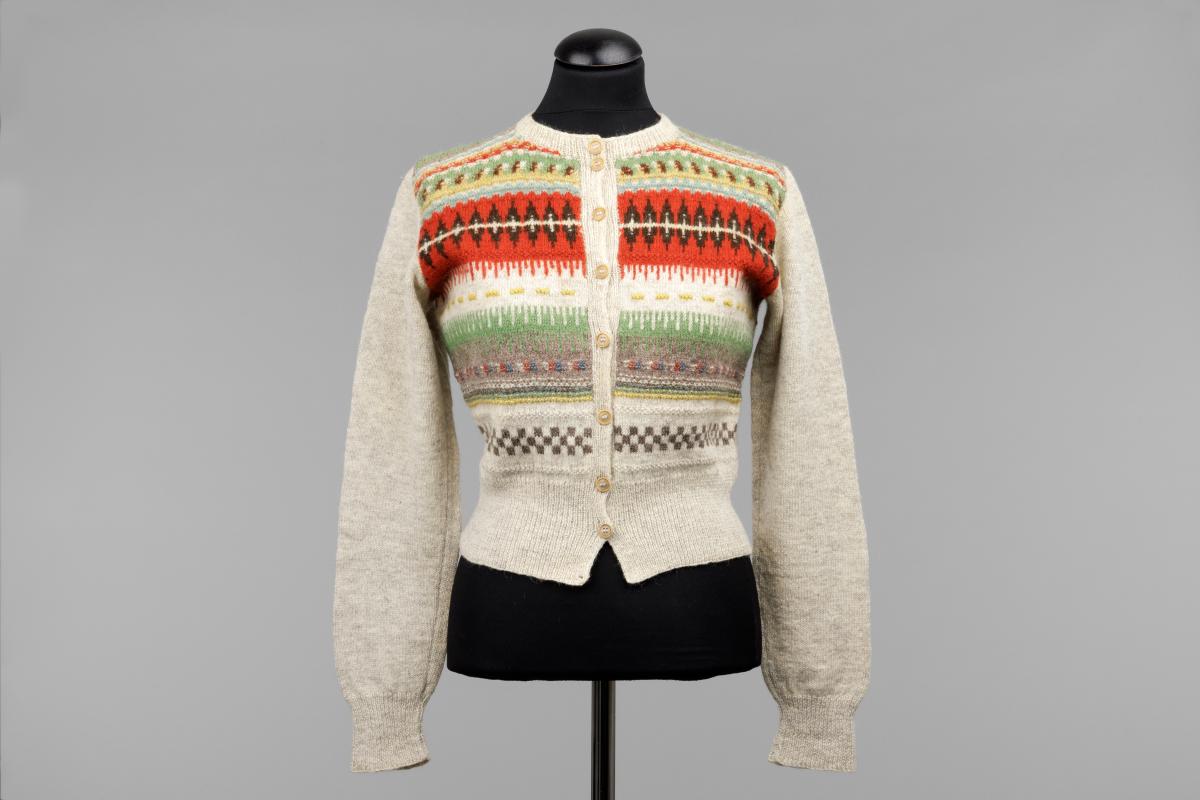
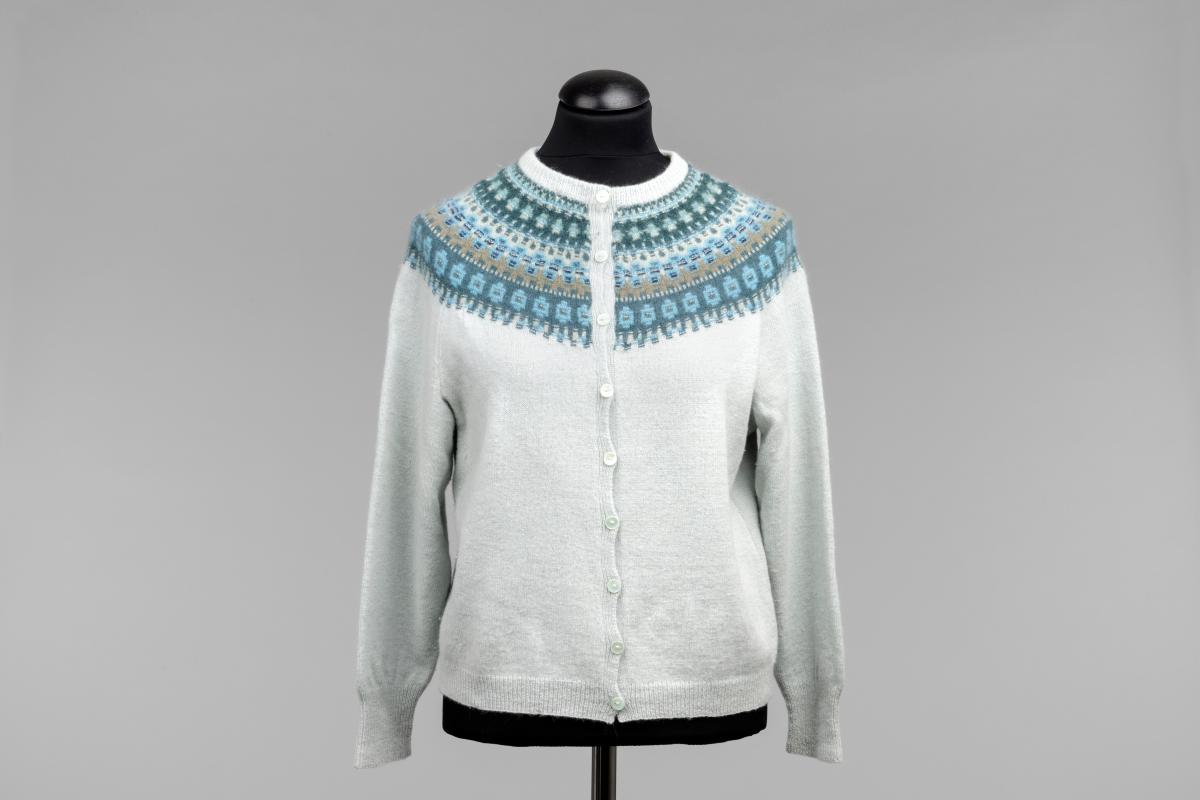
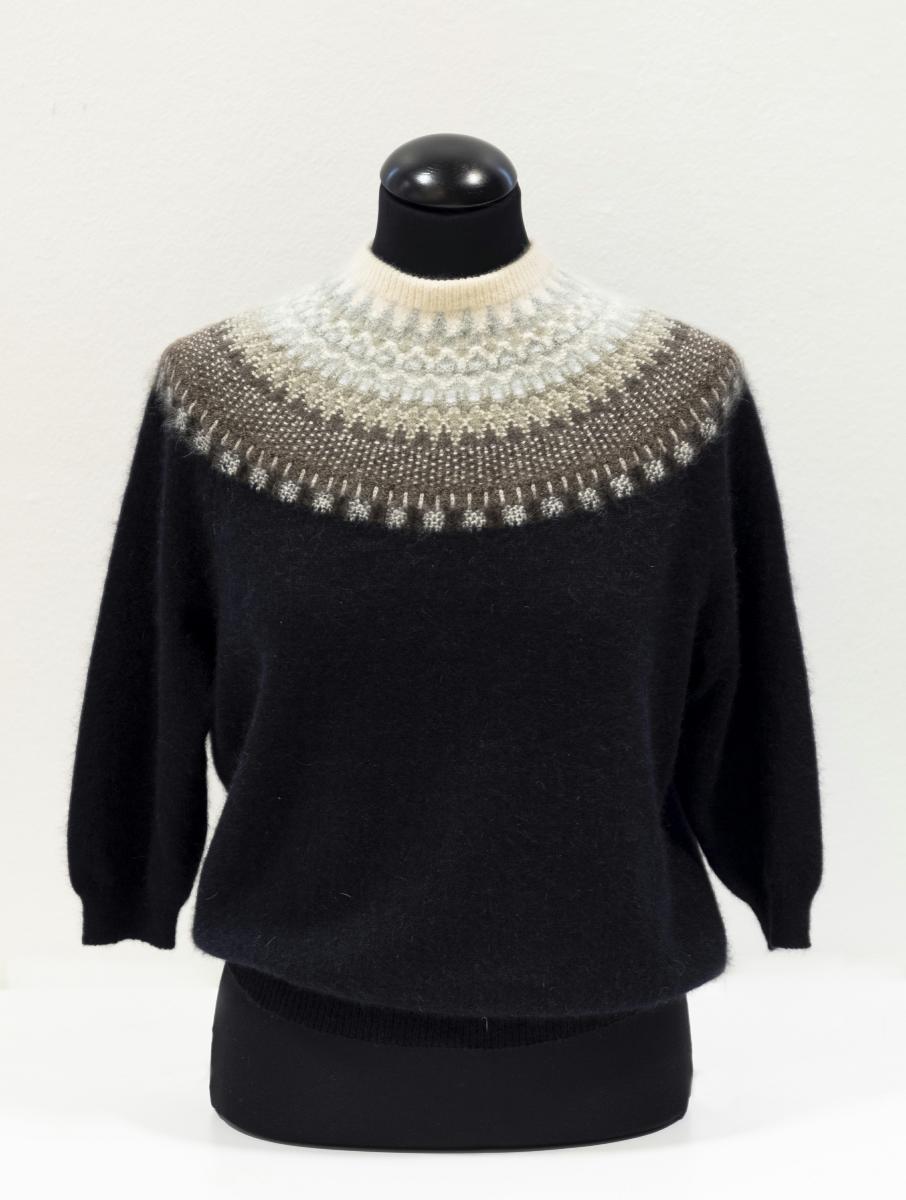
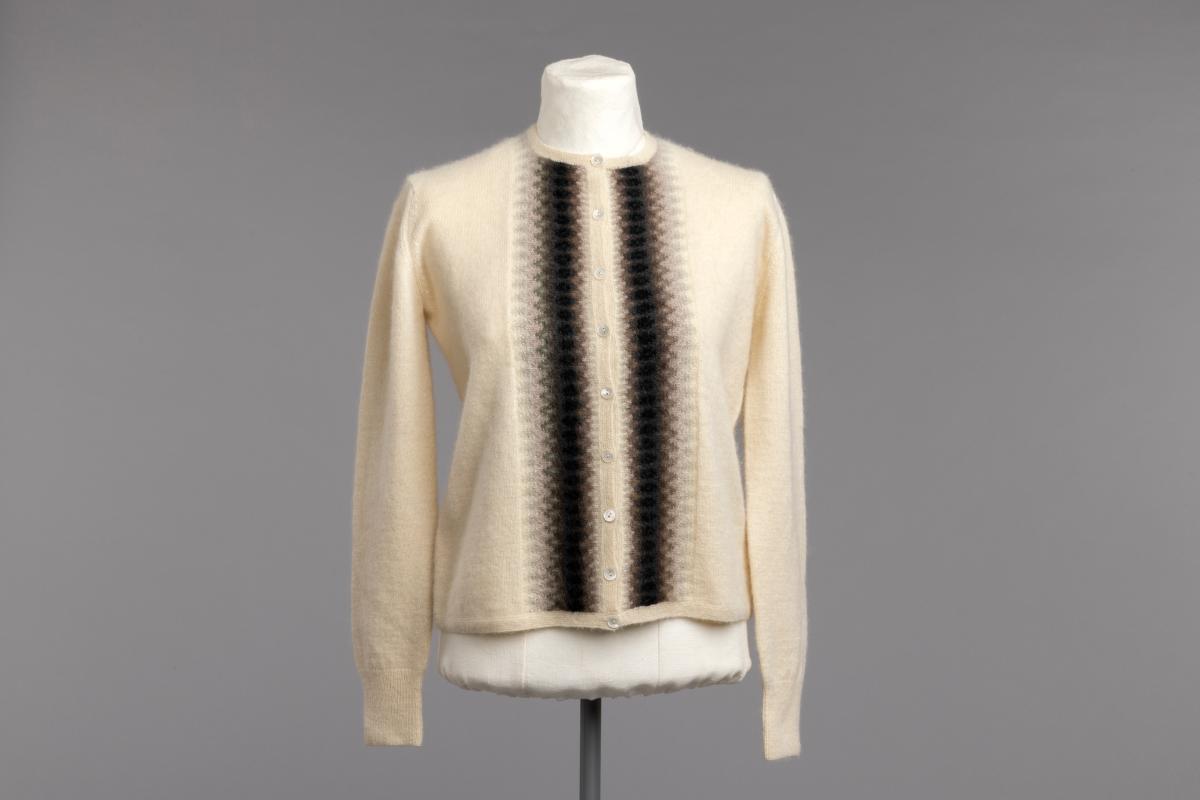
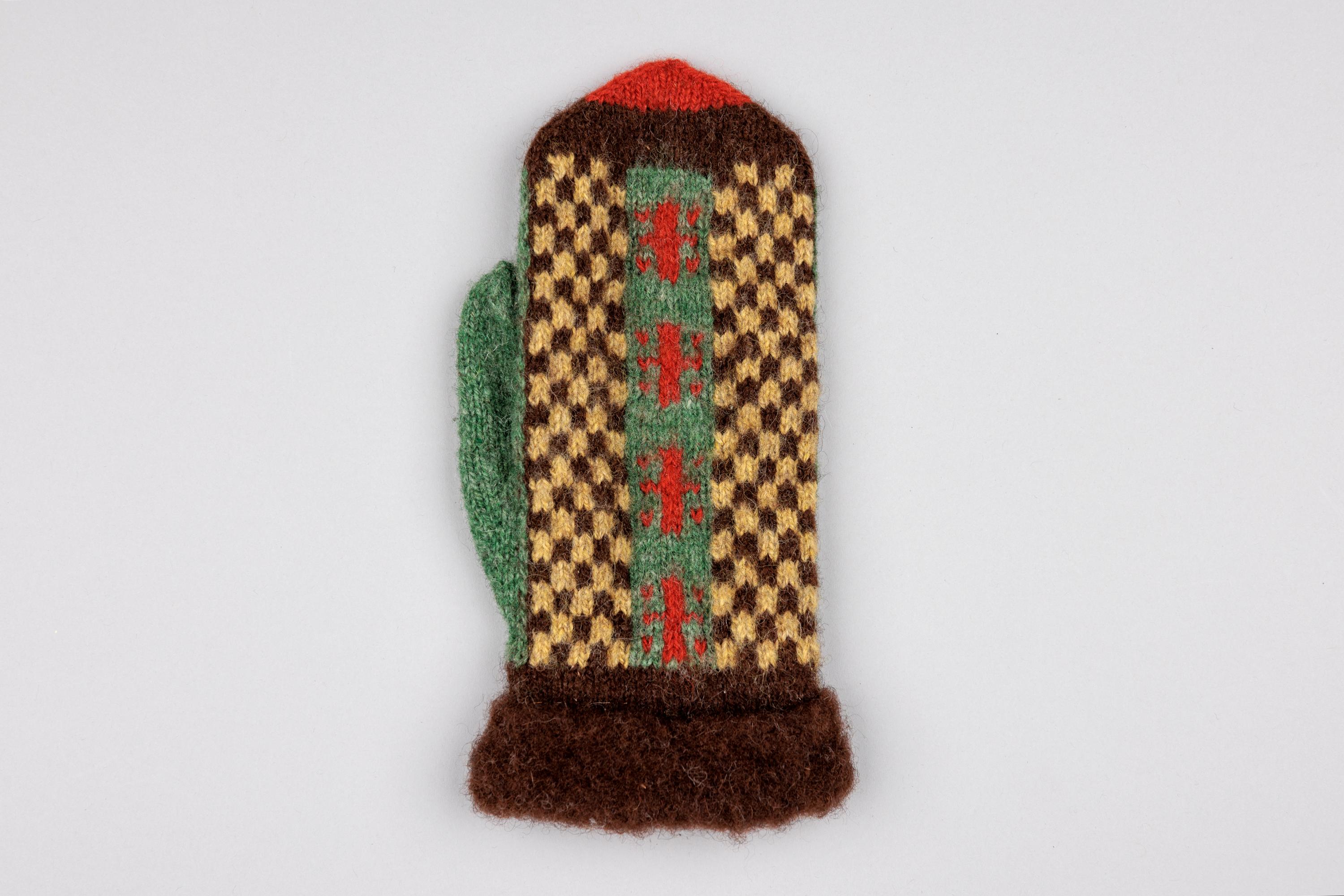
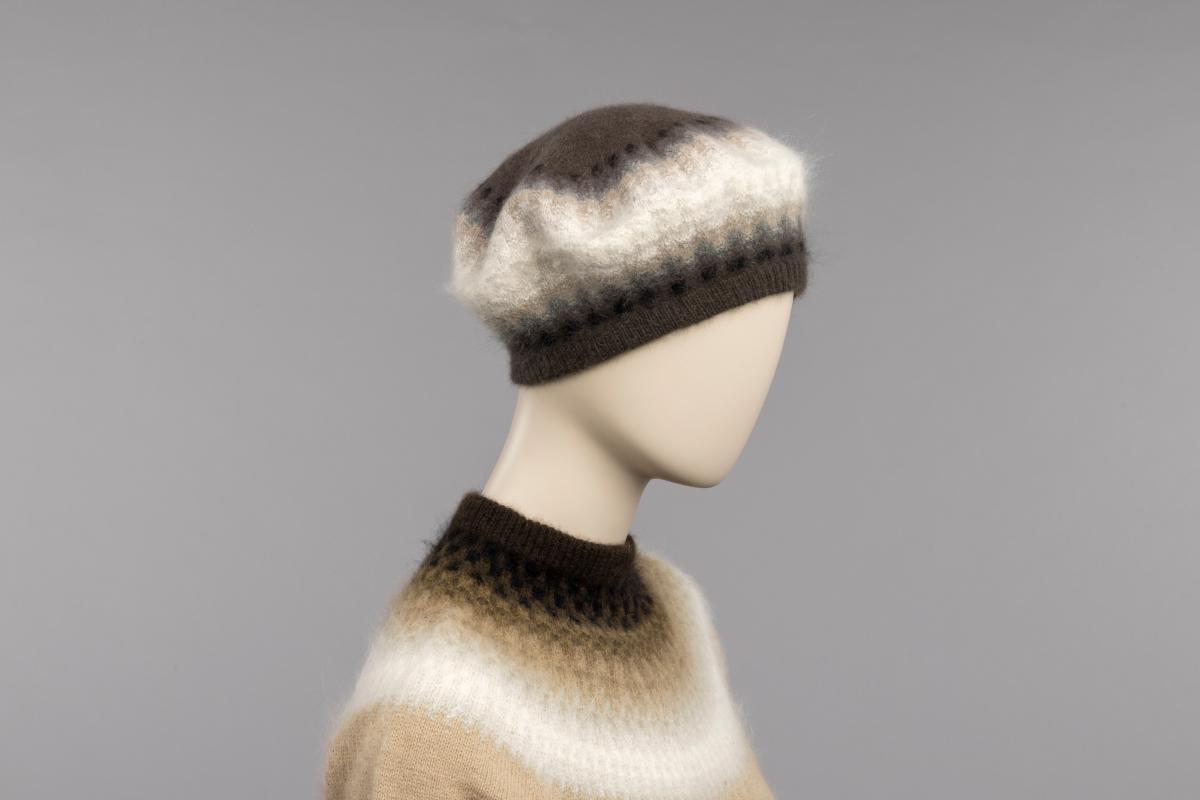
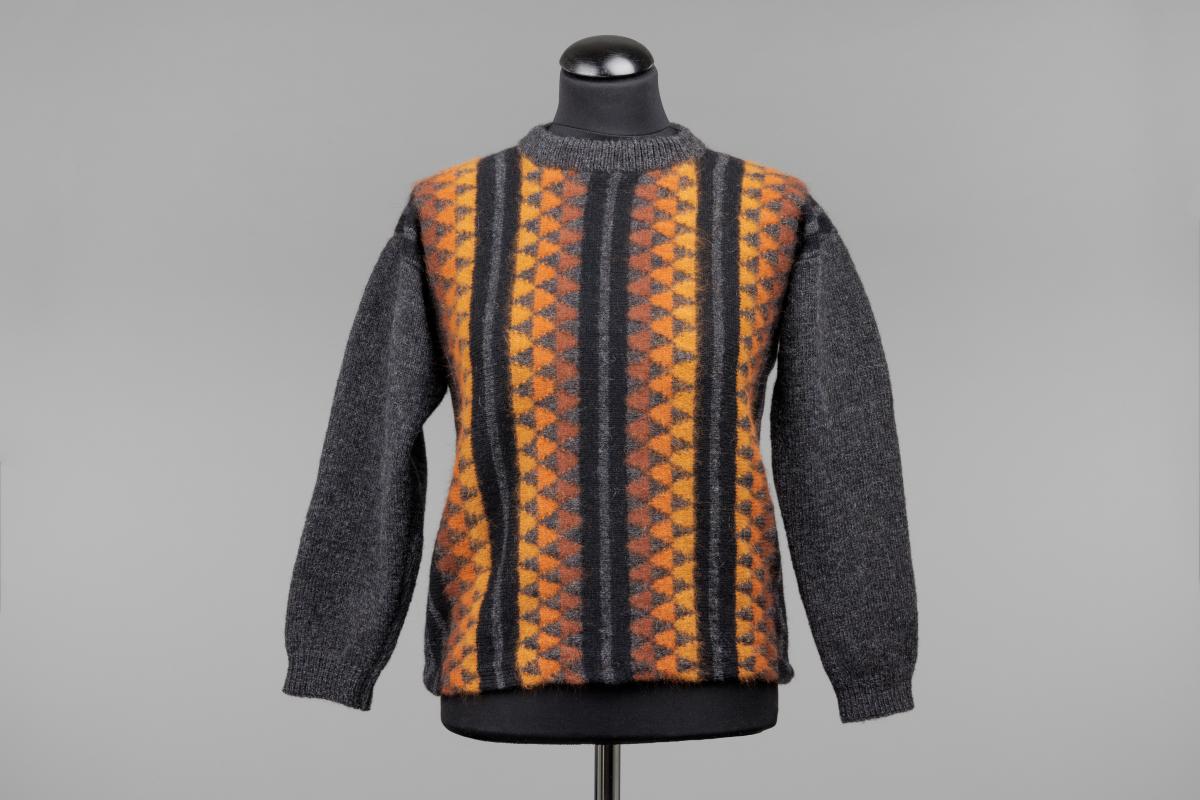
Opportunities for earning a living from fishing and stonemasonry declined in Bohuslän in the 1930s. The women therefore looked for help in finding a source of income, and relief work developed. Various products were tested for selling and it was decided that knitting simple socks, gloves and jerseys as piece work was most appropriate.
On the initiative of Emma Jacobsson, a scheme was developed for knitting at home and the Bohus stickning association (Bohus knitting association) was founded as a non-profit organisation in 1939.
Association was managed from Göteborg. Knitting courses were organised and the association distributed packages with wool and sample patterns to the women who were members.
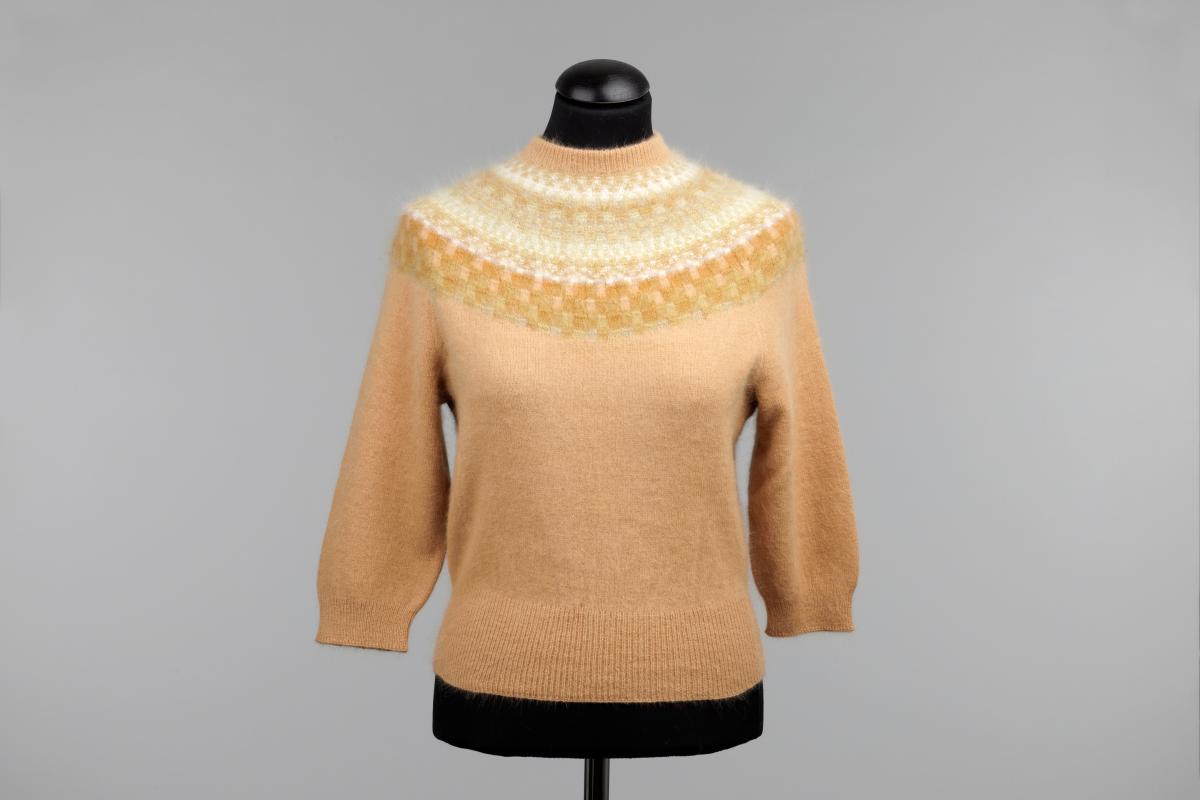
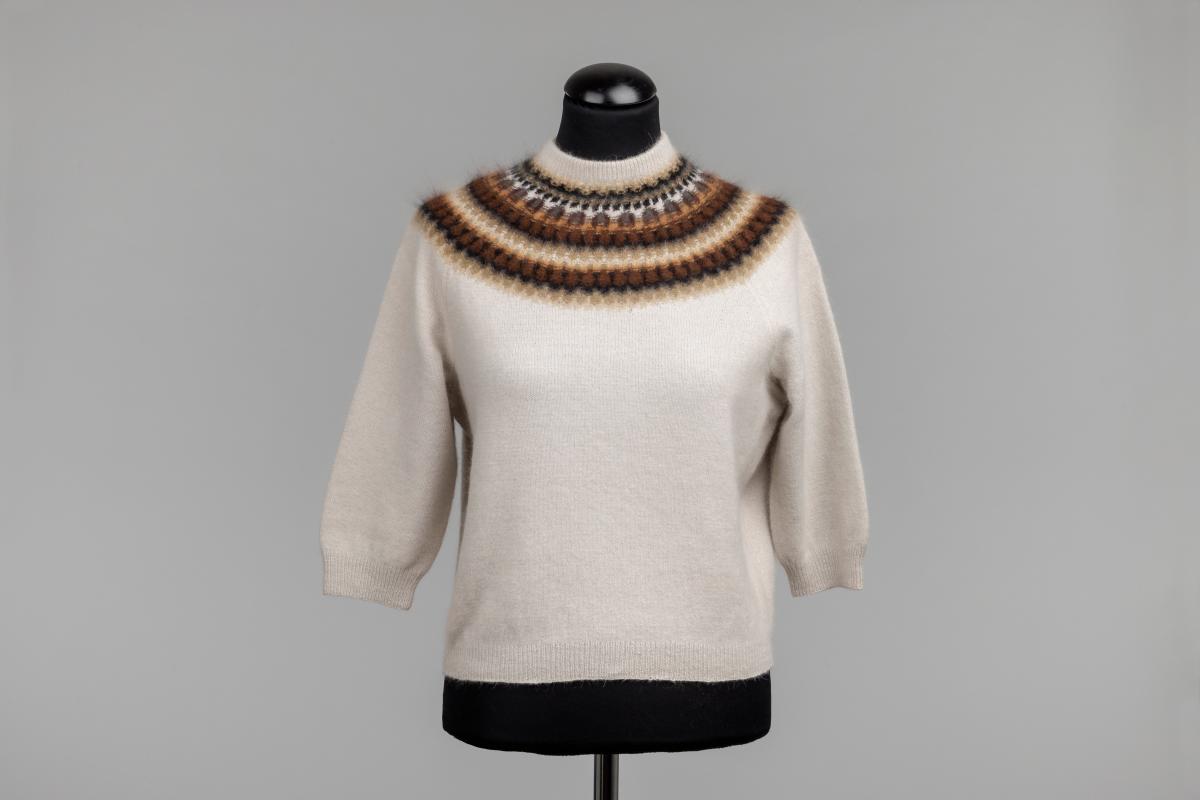
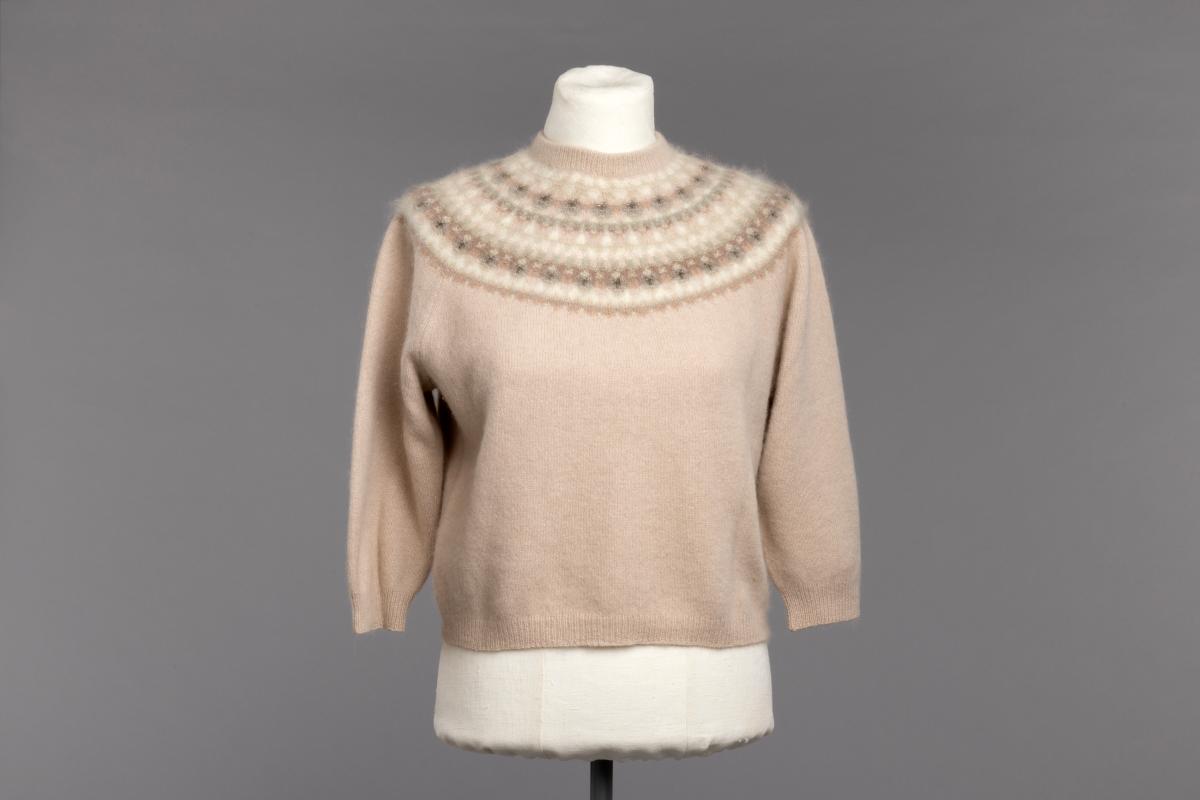
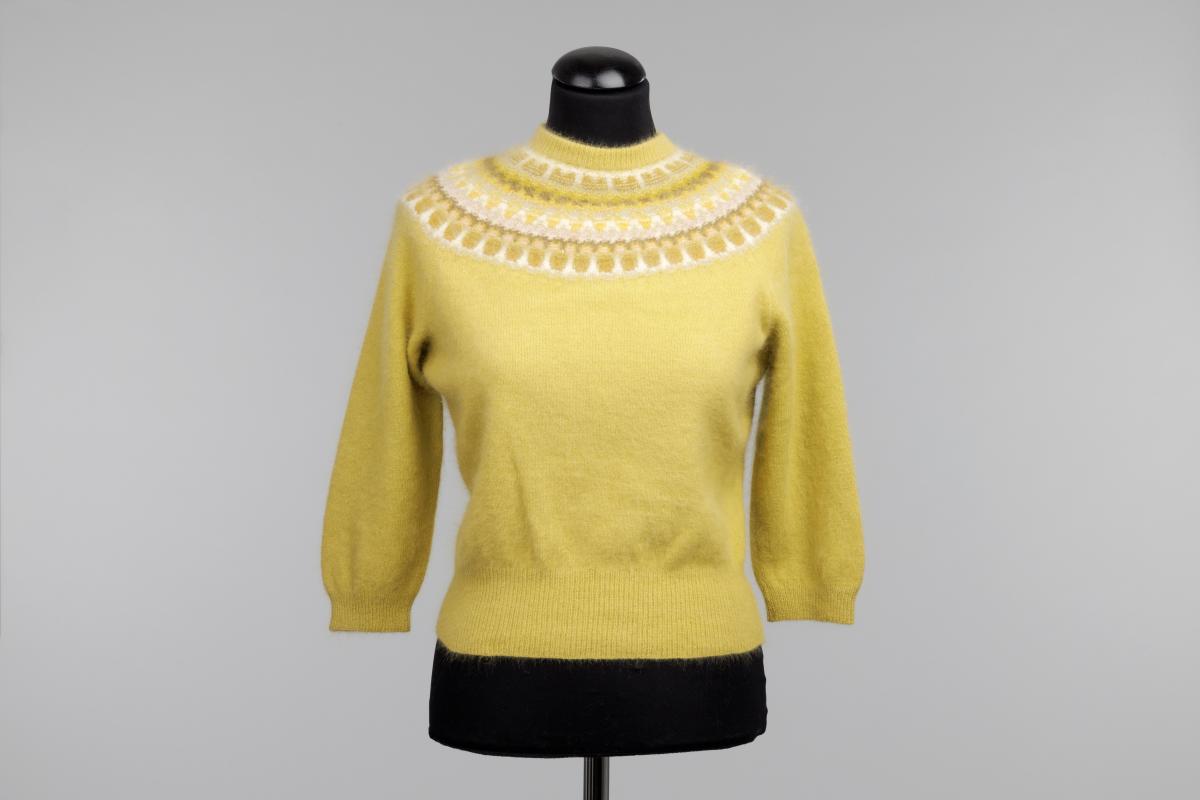
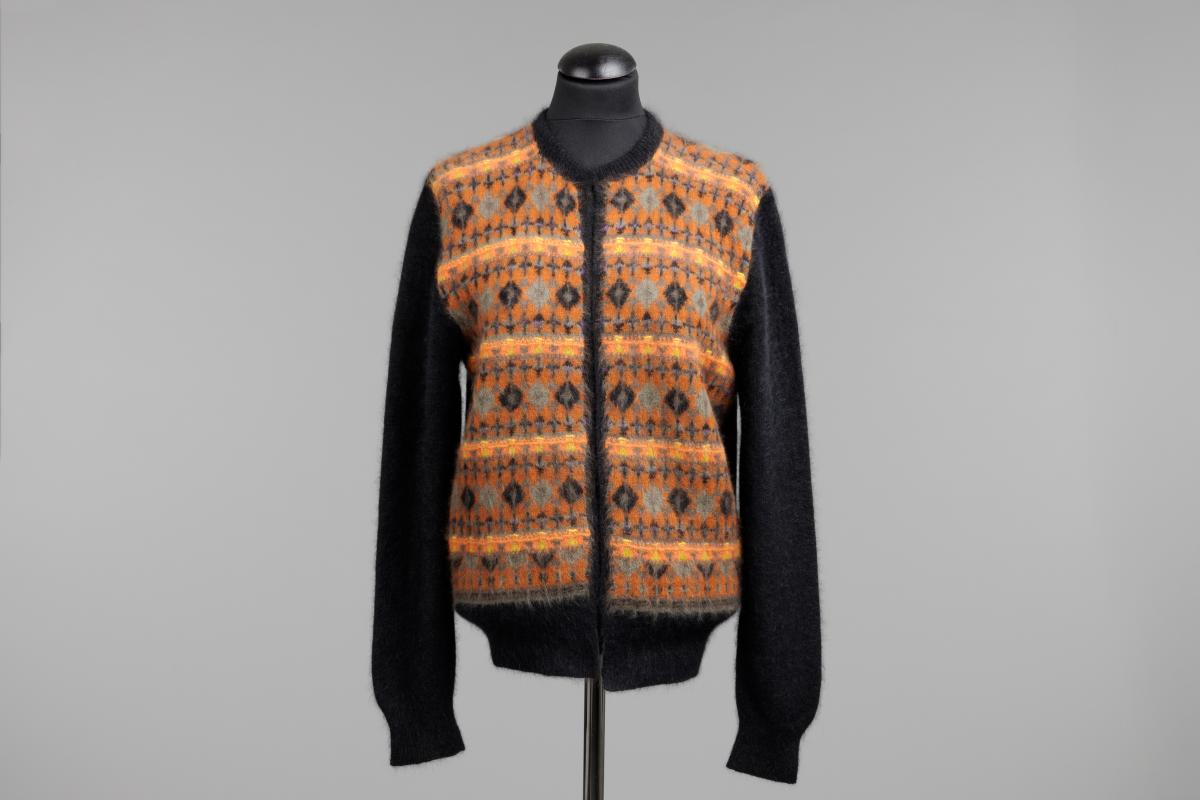
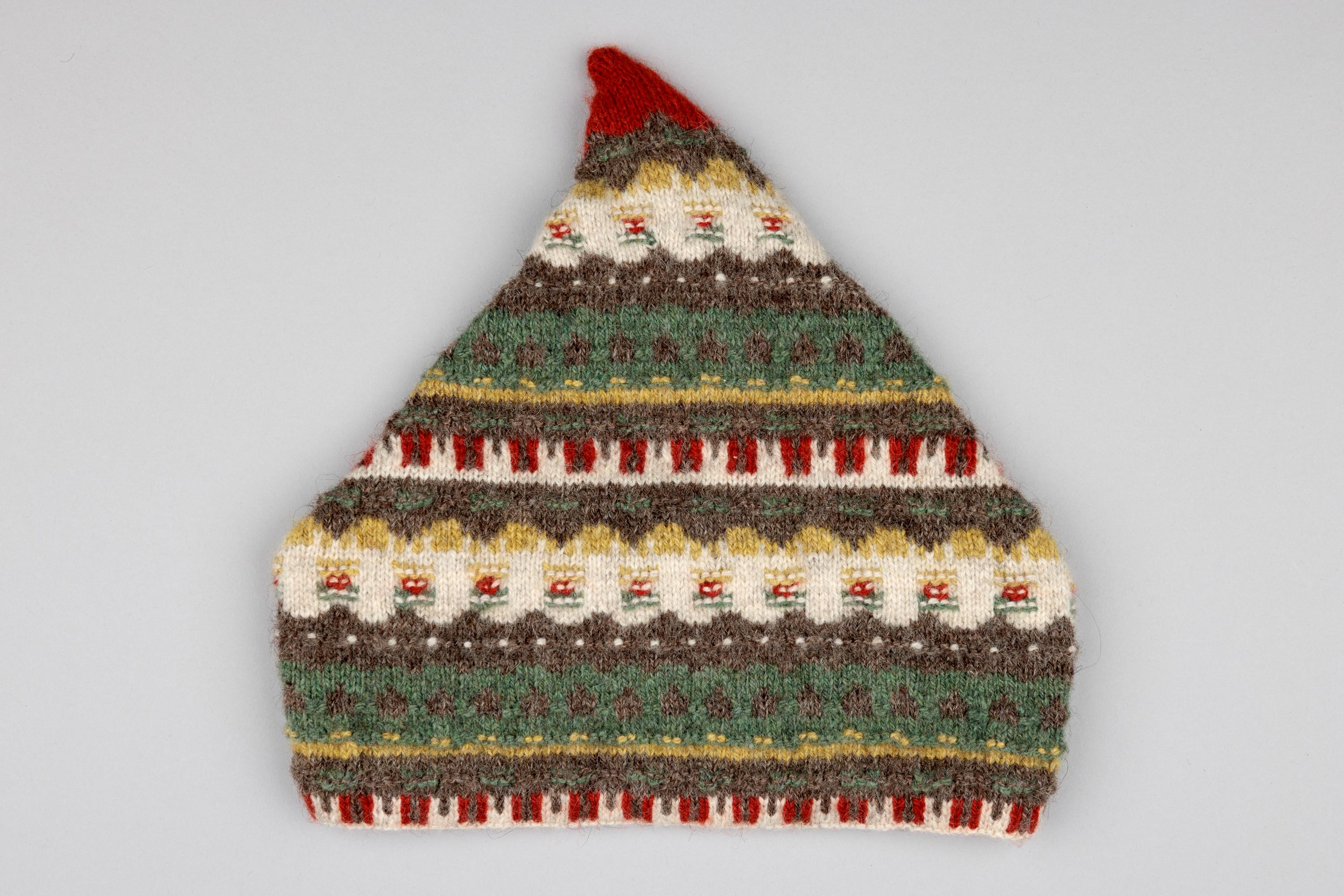
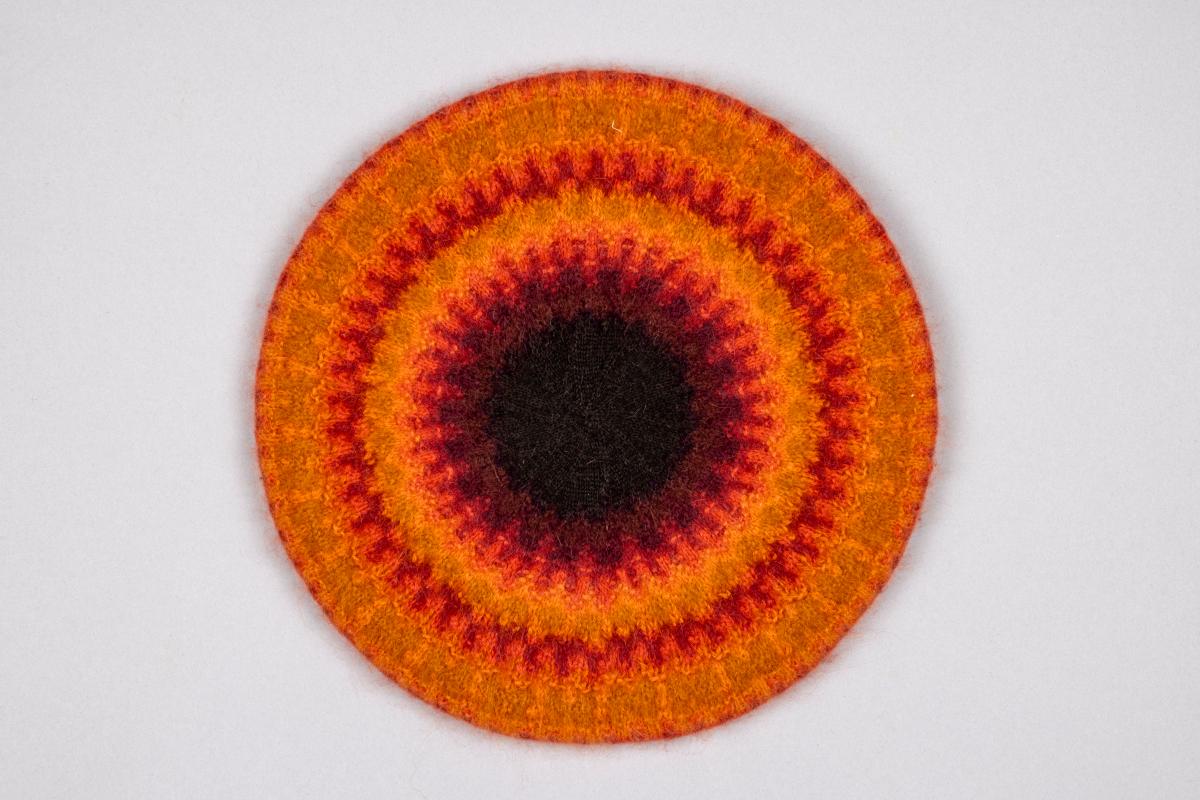
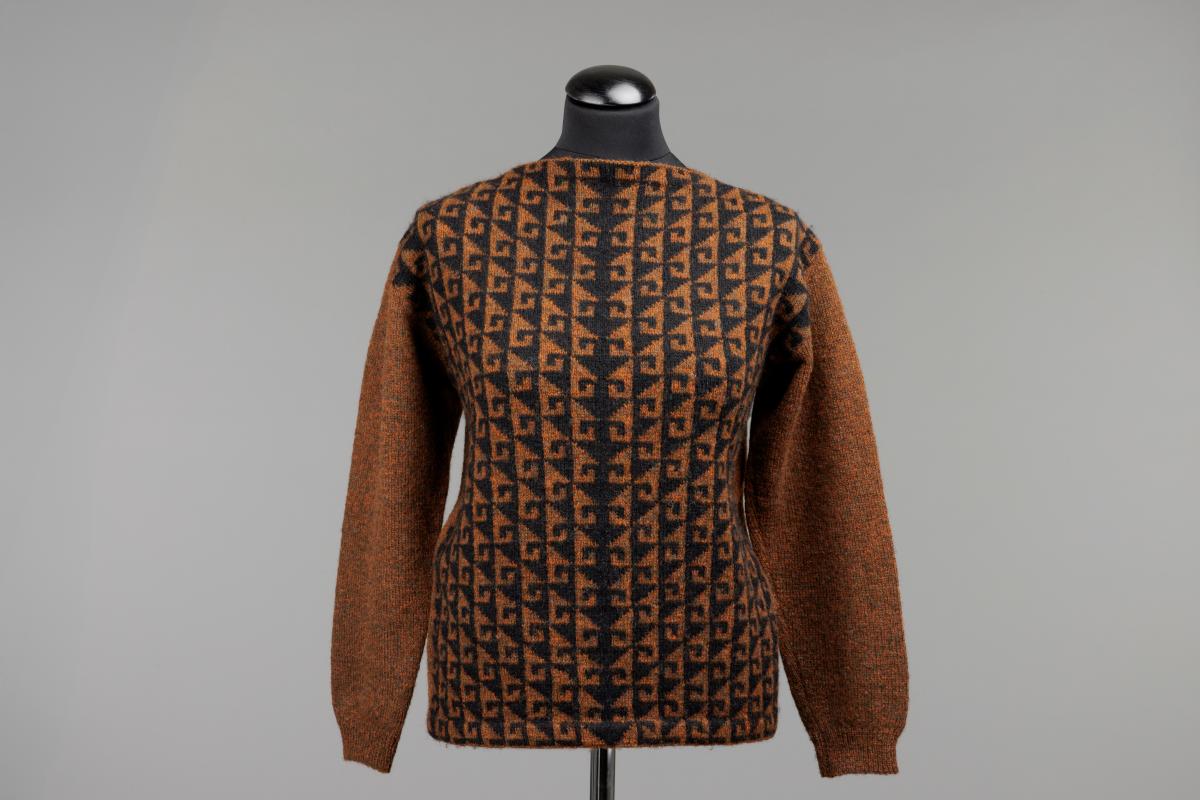
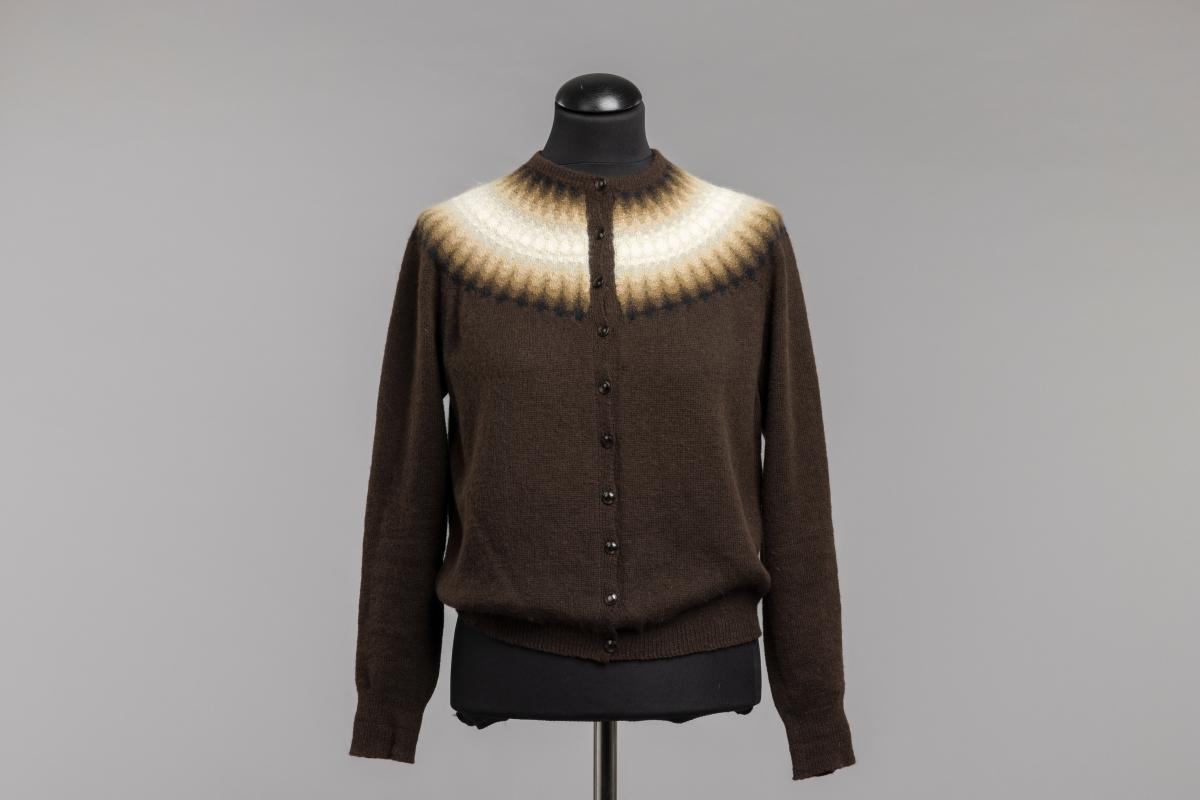
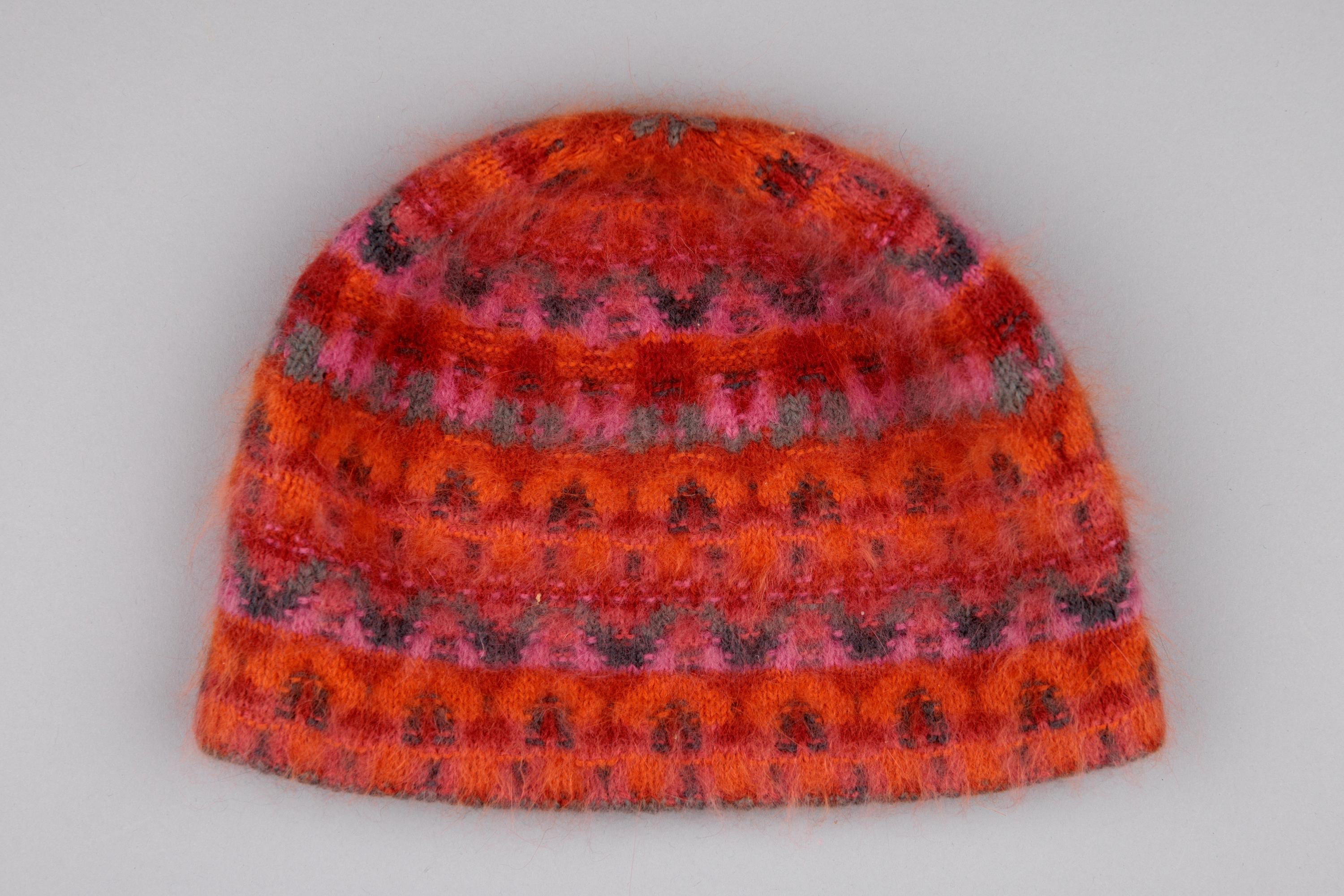
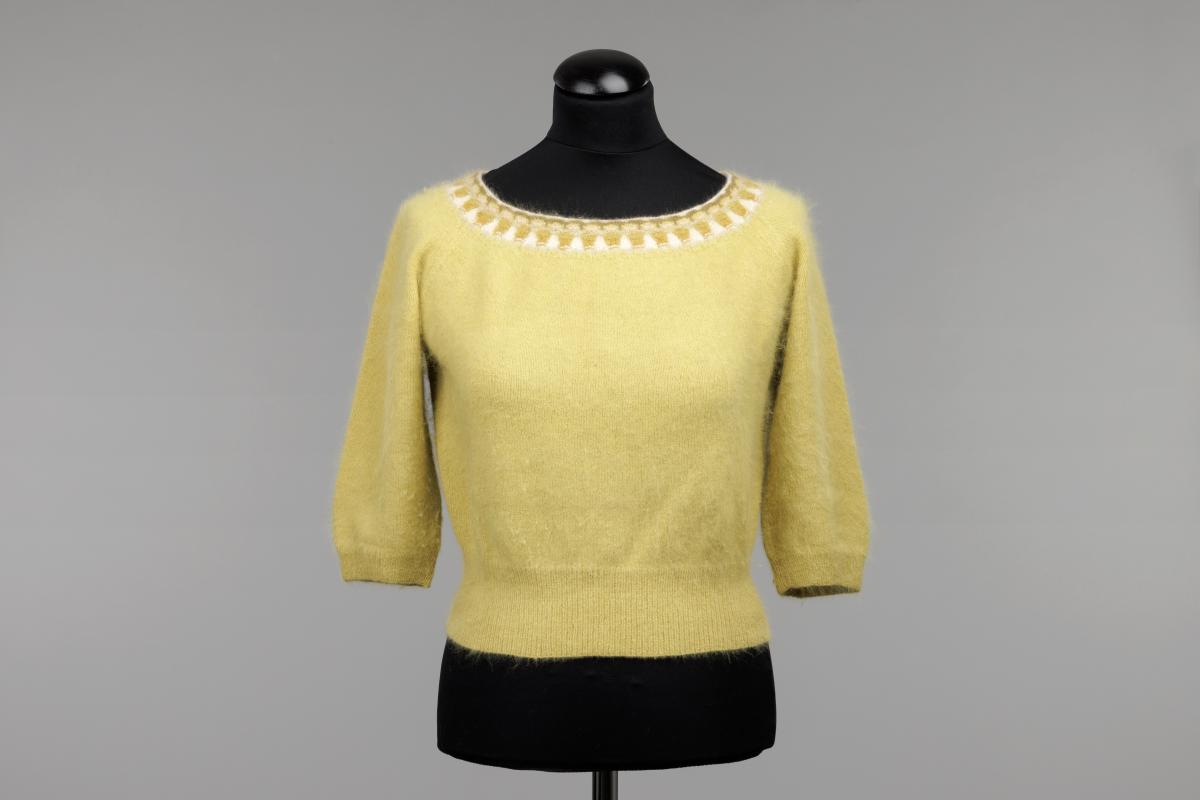
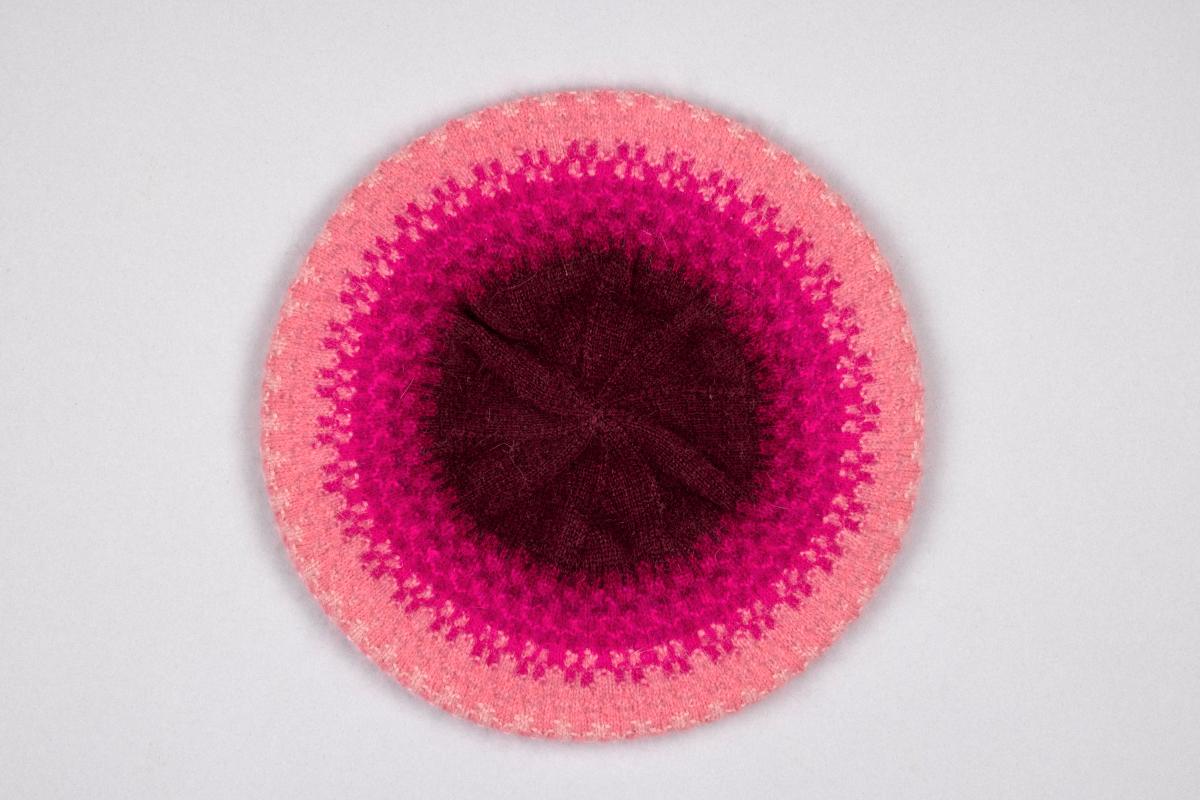
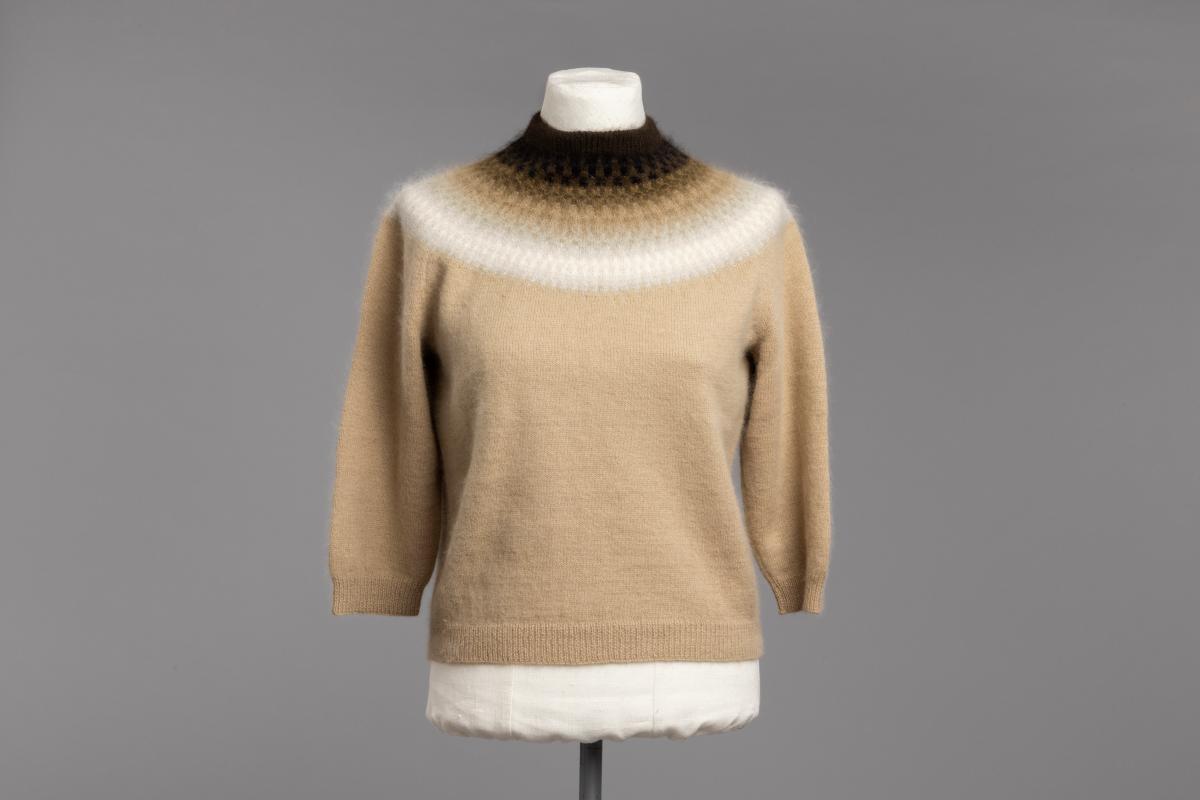
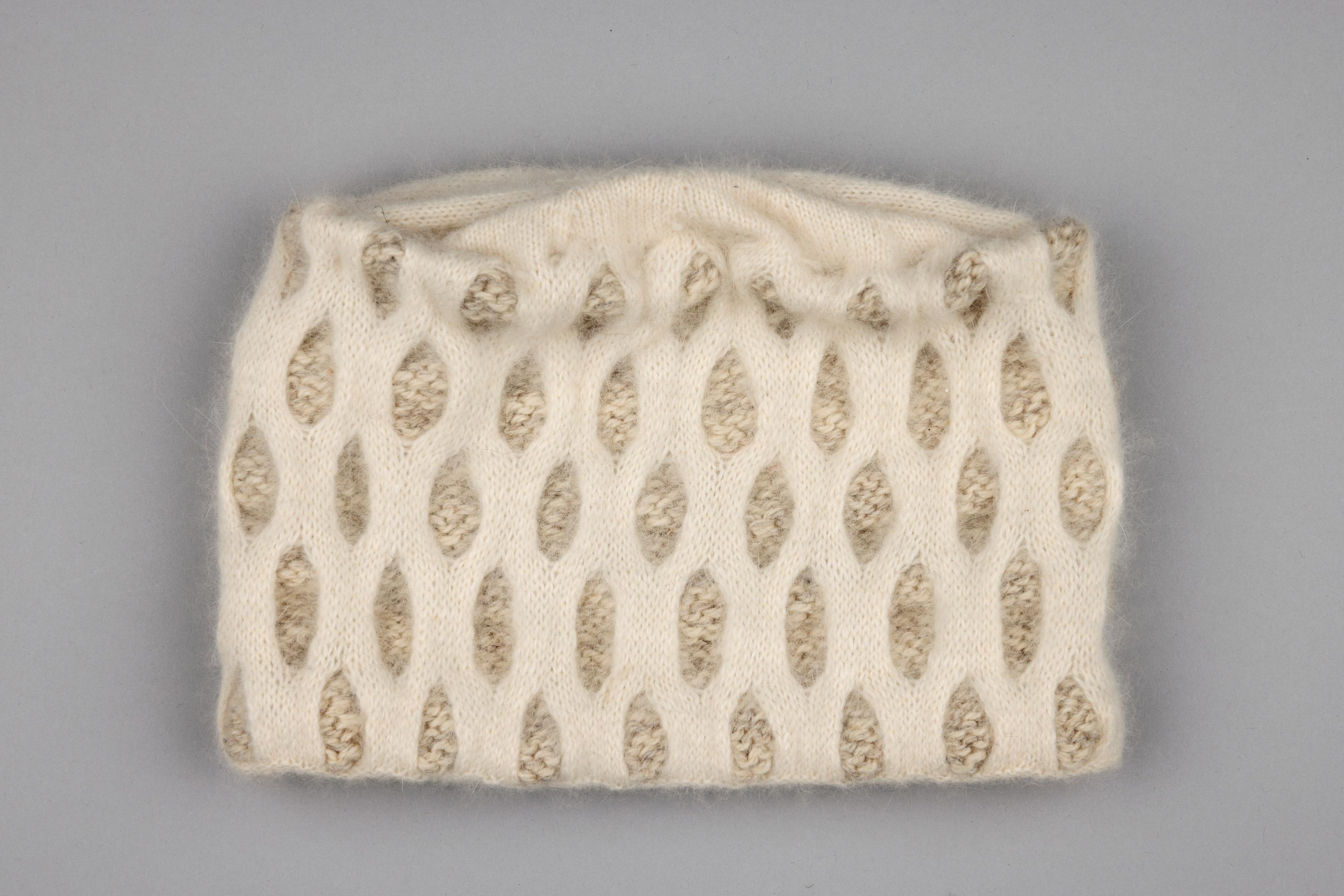
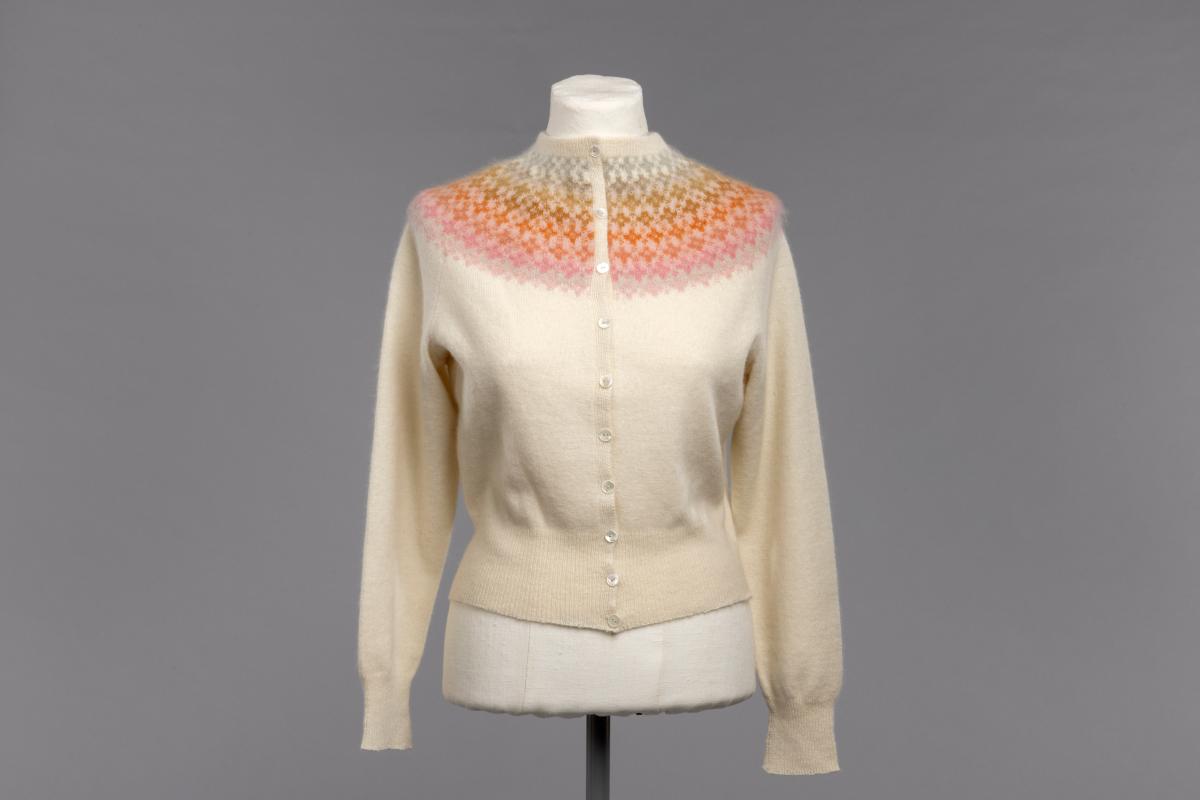
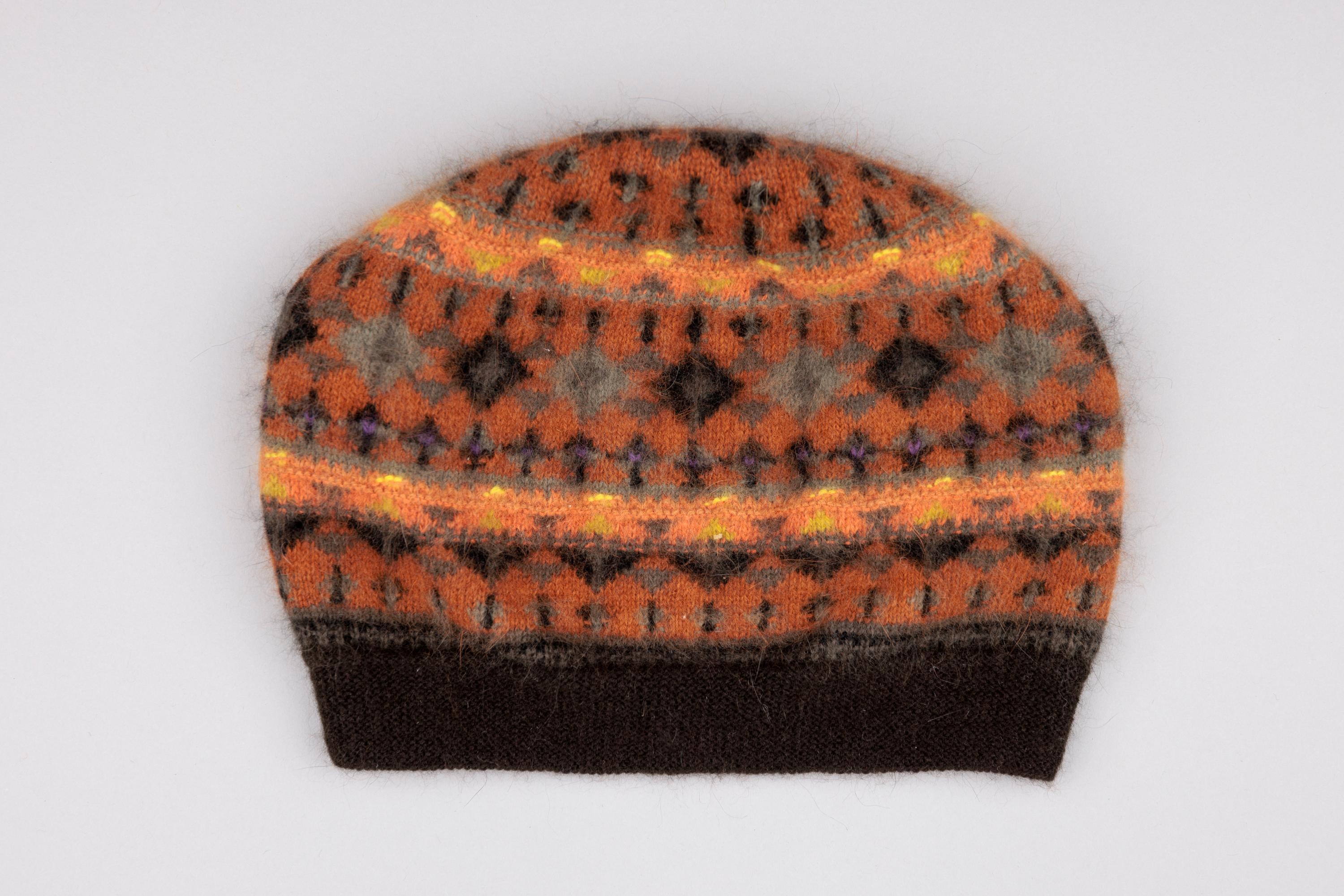
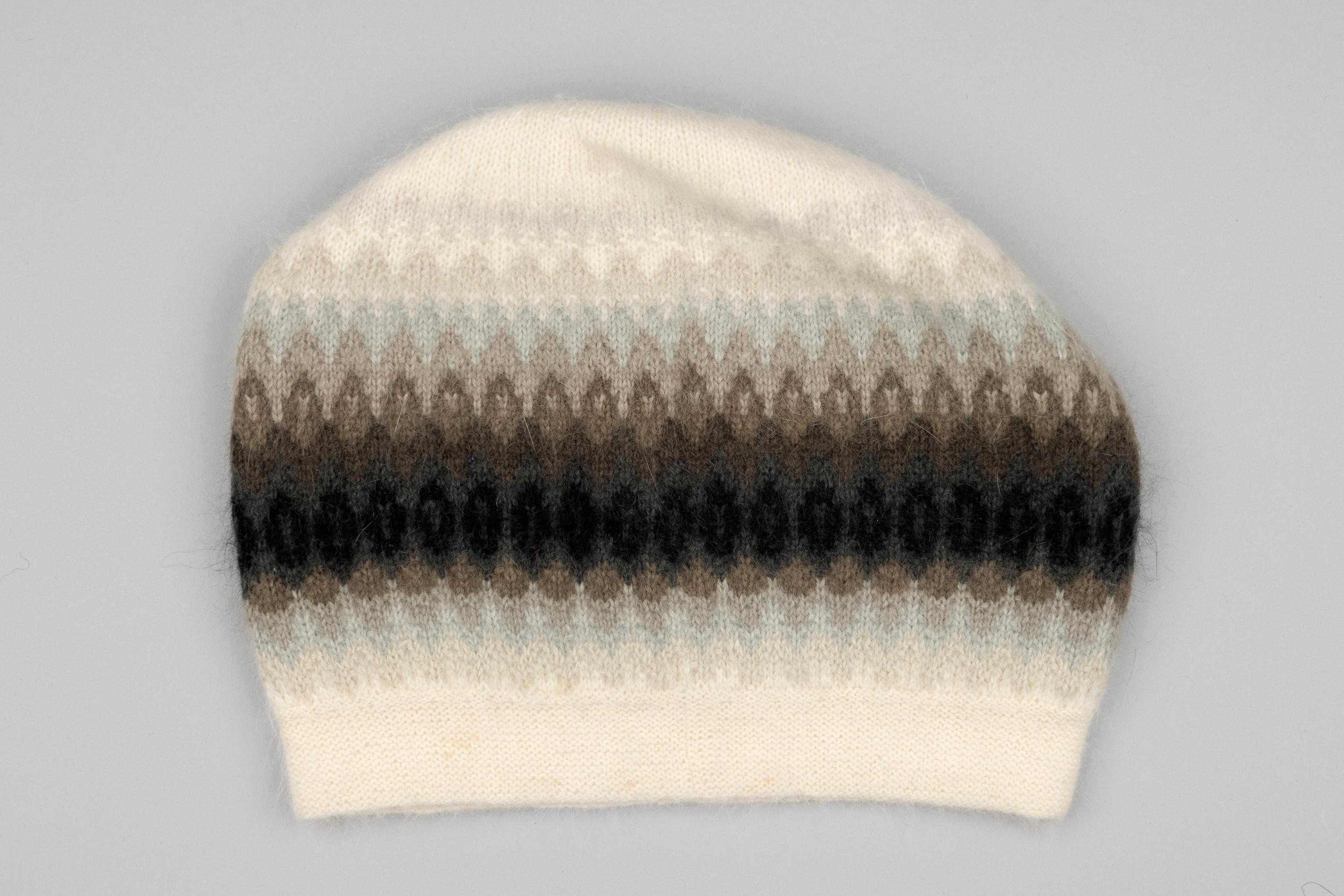
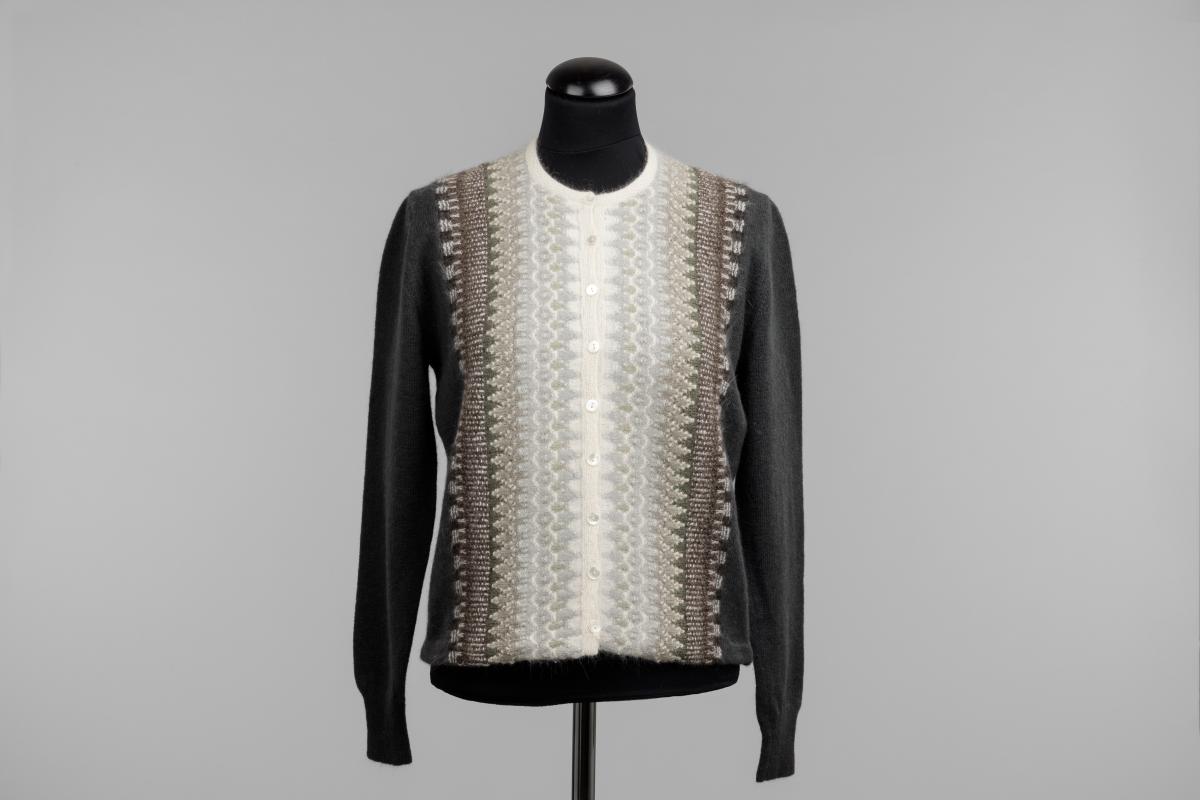
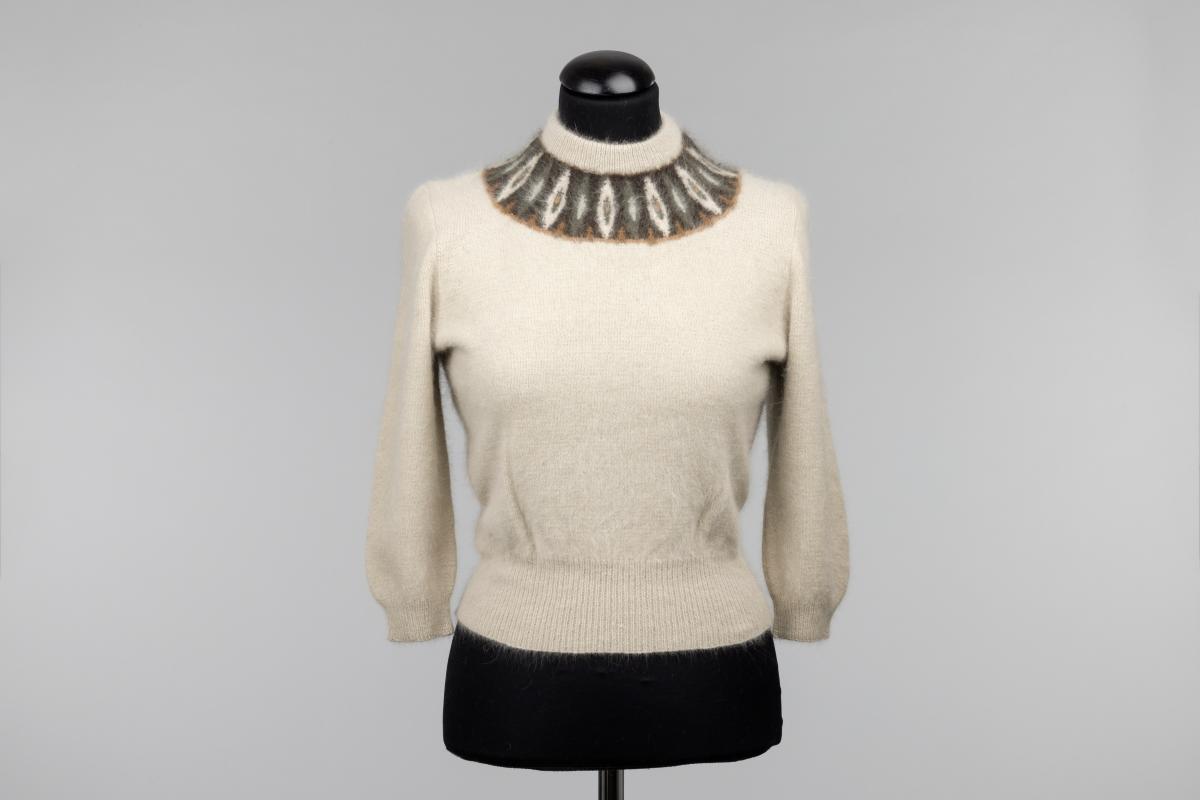
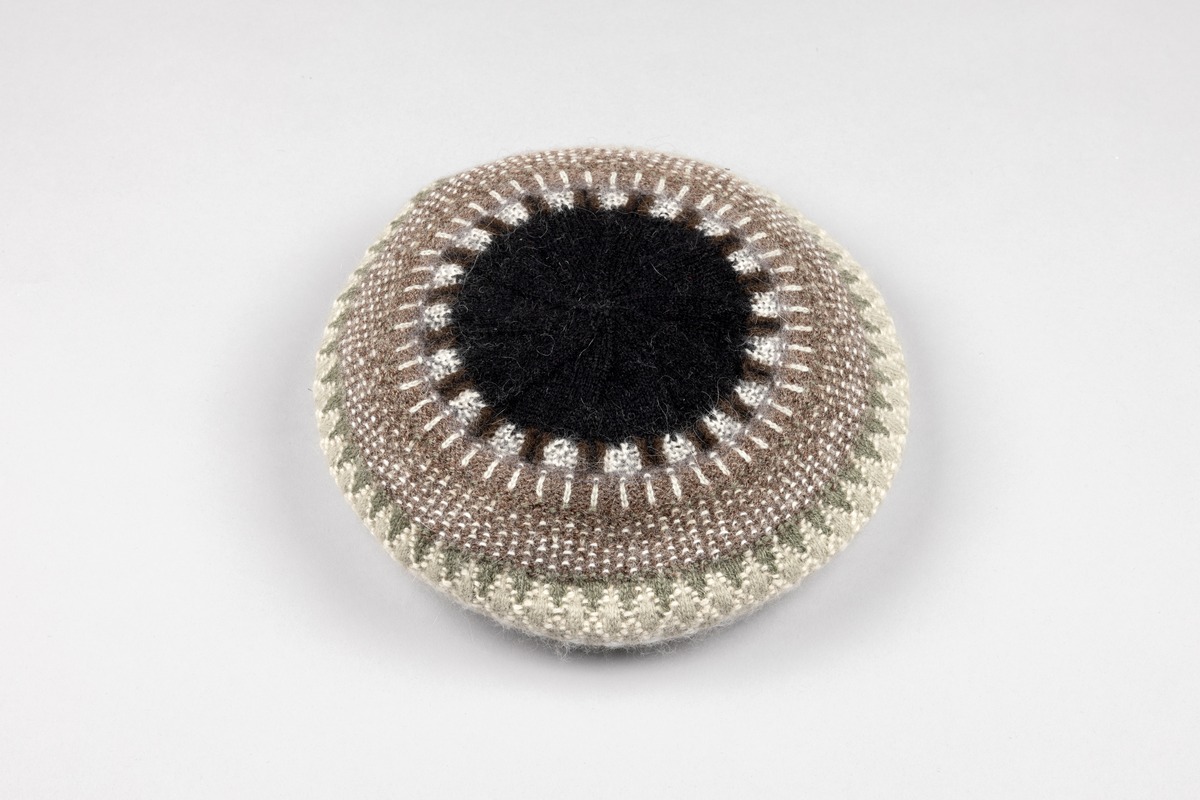
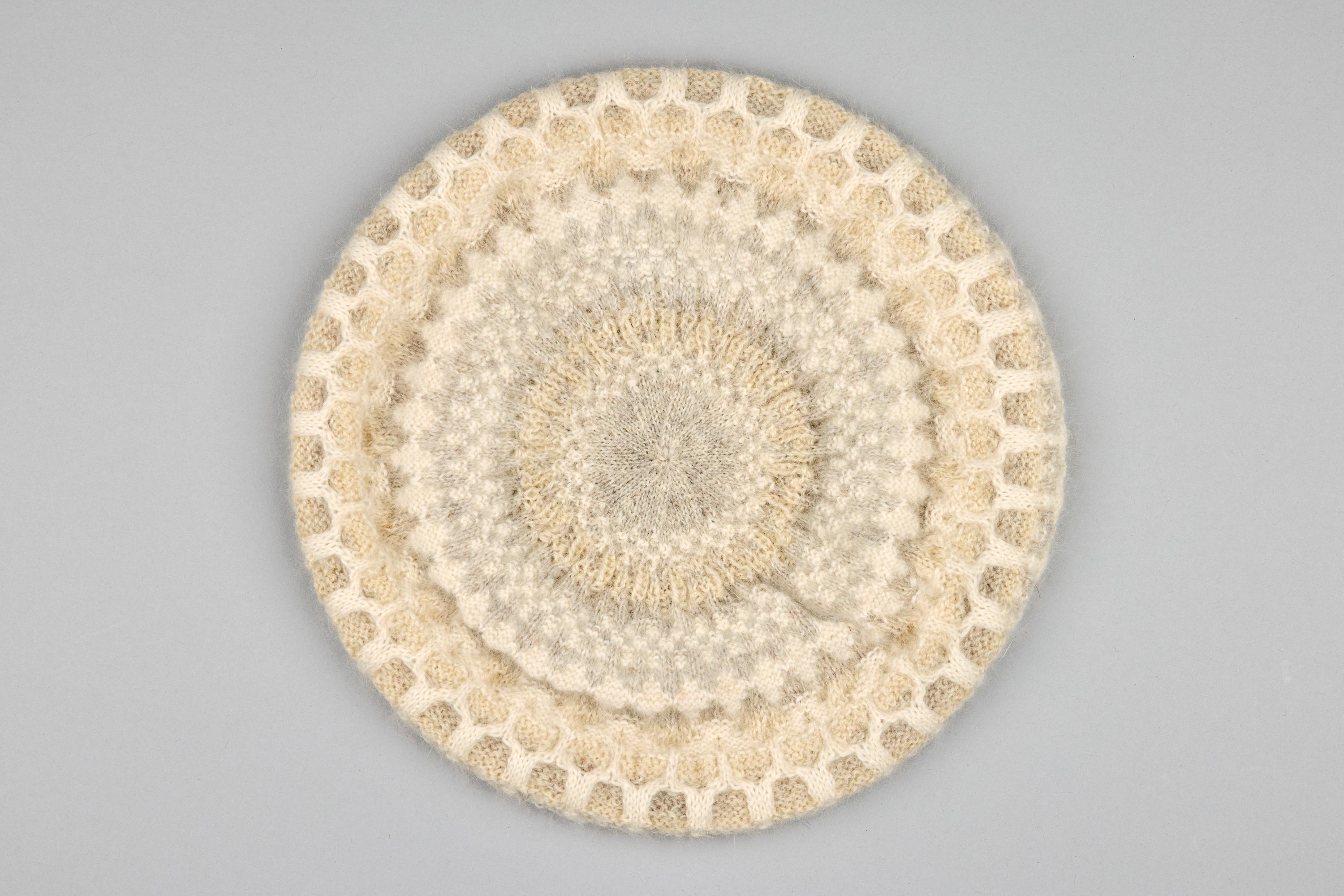
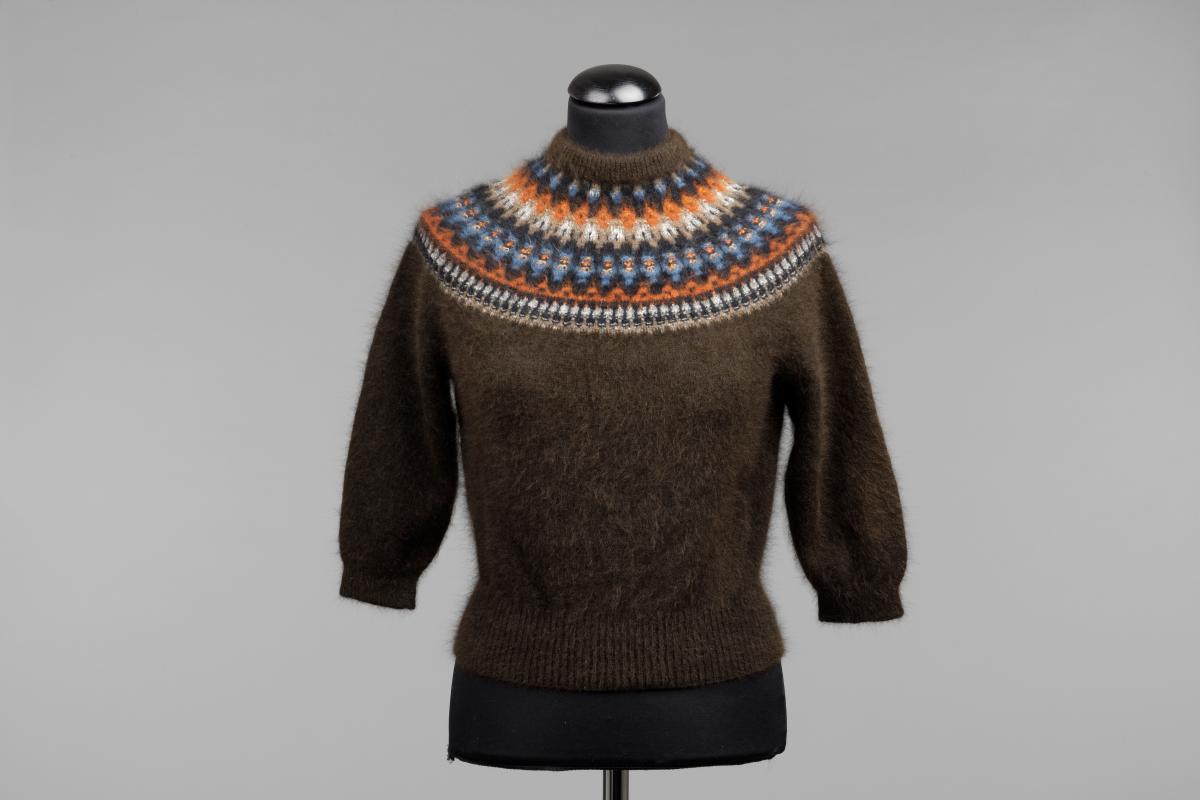
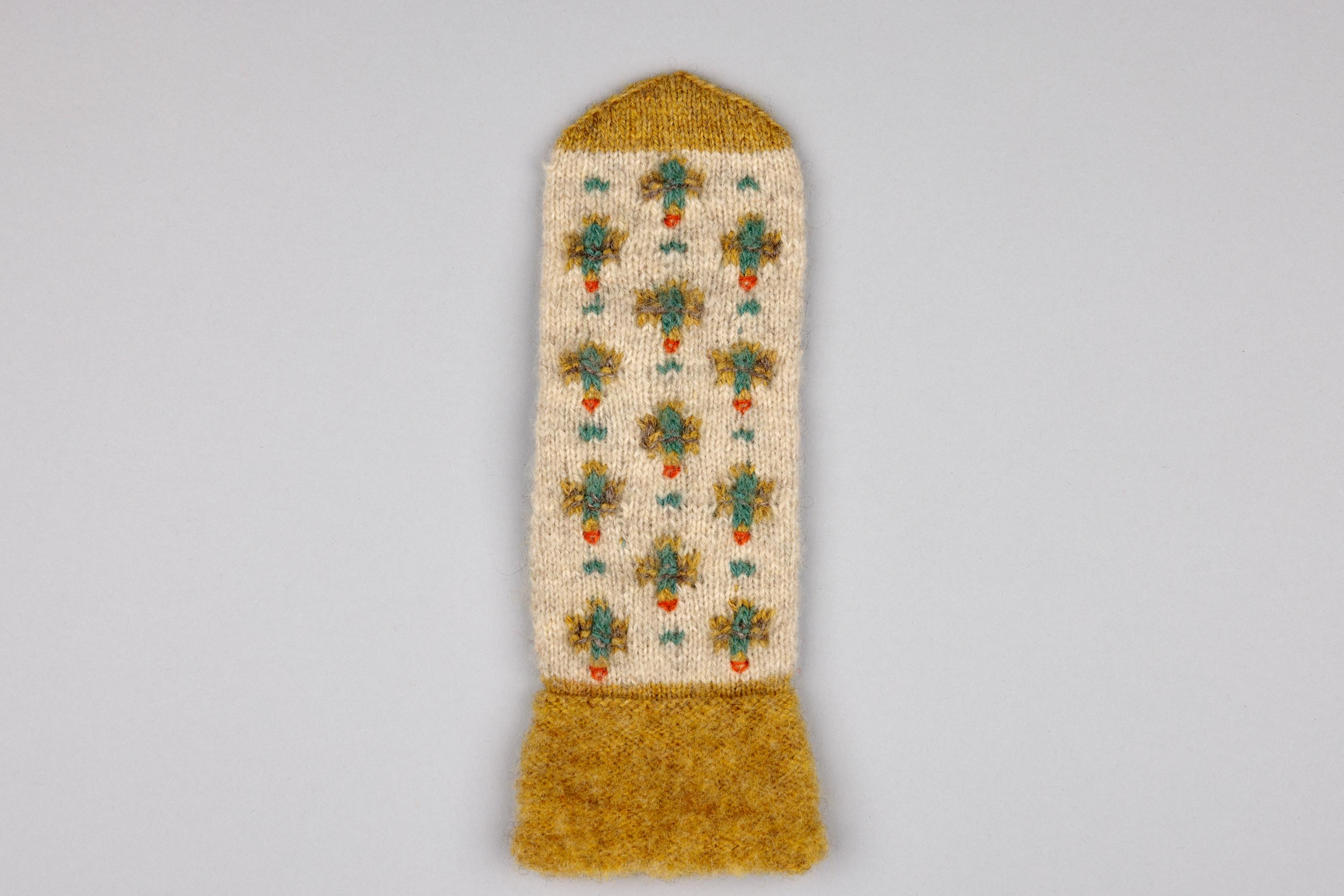
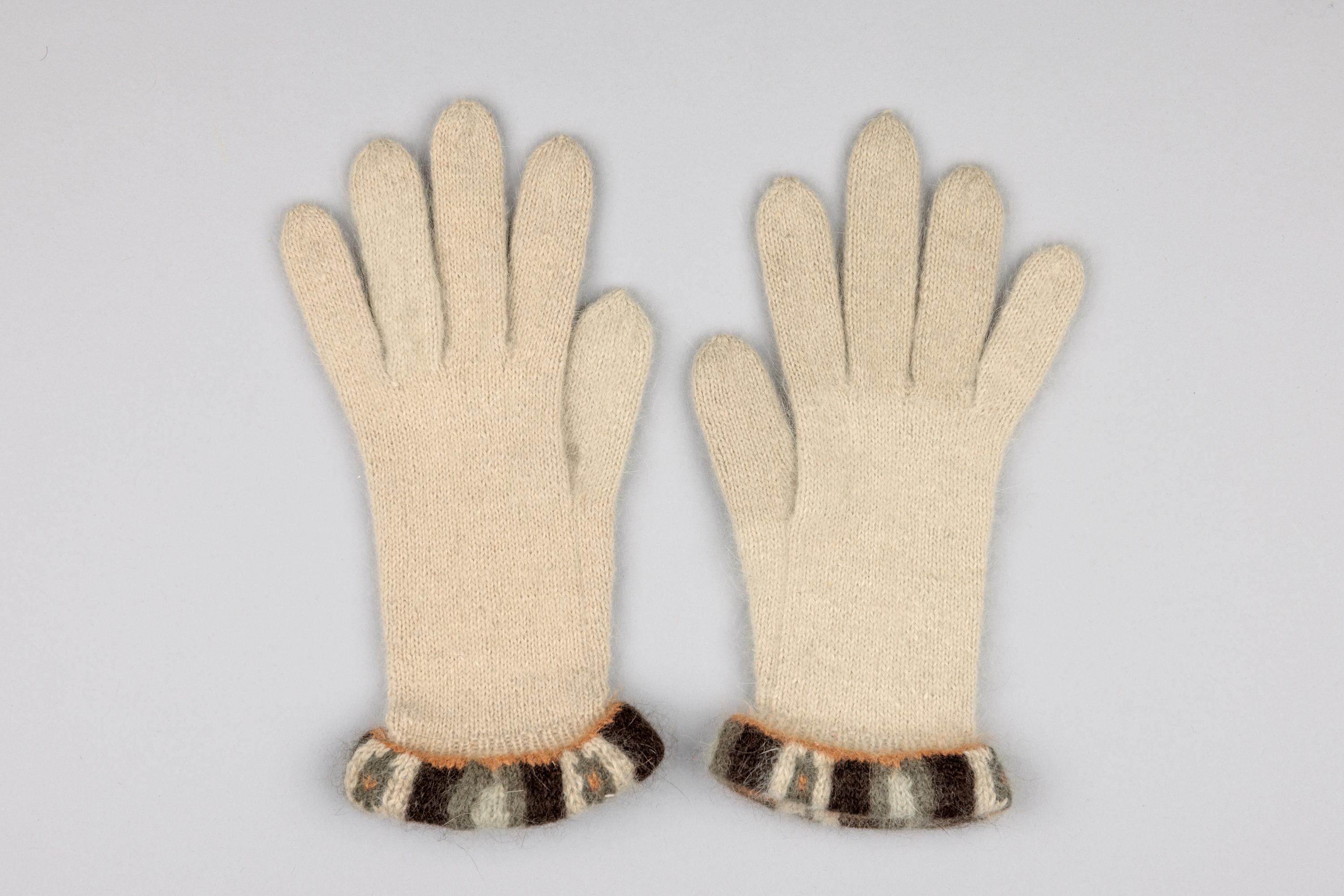
During the first few years, garments were knitted in coarse rya wool, which was bought from Wåhlstedts in Dala-Floda. In the early 1940s, a fine wool was imported from Finland, and when the war stopped that trade a wool was developed in Sweden, Eja wool, which was angora.
The knitters returned finished garments to the central management, where they were carefully examined, assessed and priced. After this, the approved garments were pressed and packaged for sale.
With the help of good contacts, Emma Jacobsson was able to establish ales for the exclusive pieces in the most prestigious stores in Sweden, and then in famous department stores abroad, such as in the US, Canada and France.
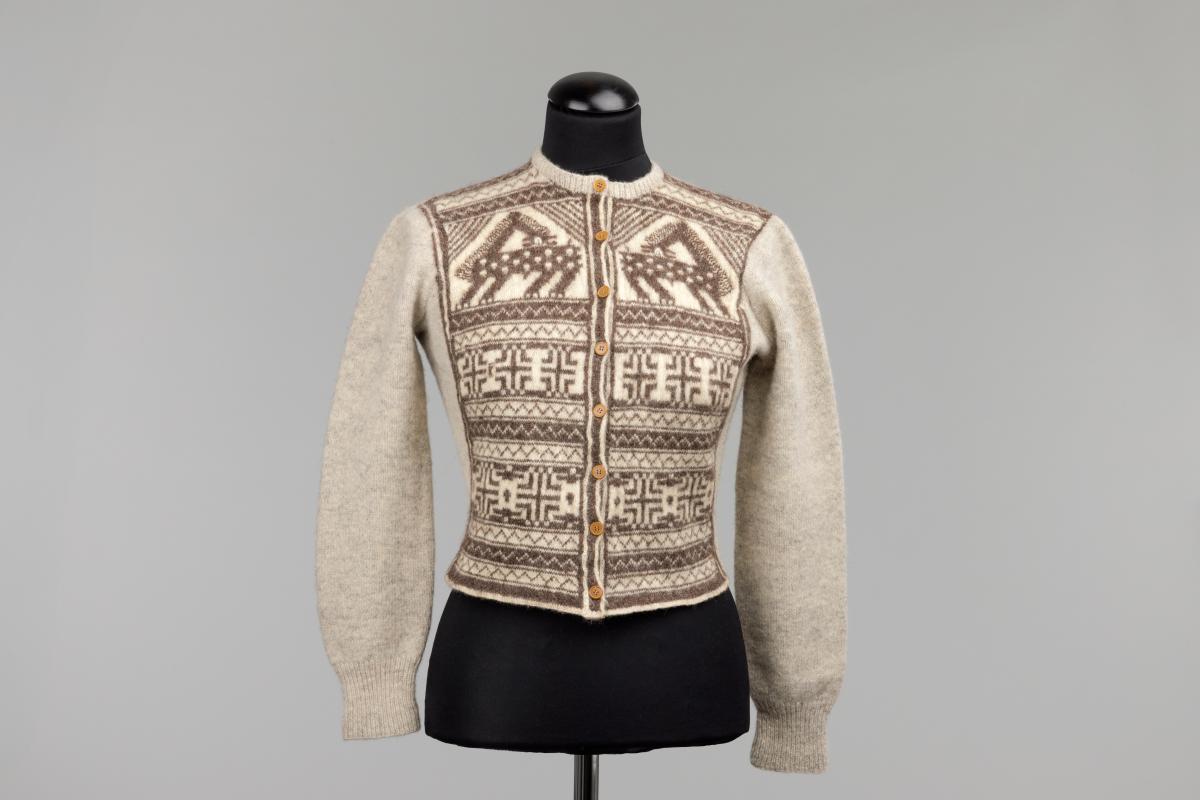
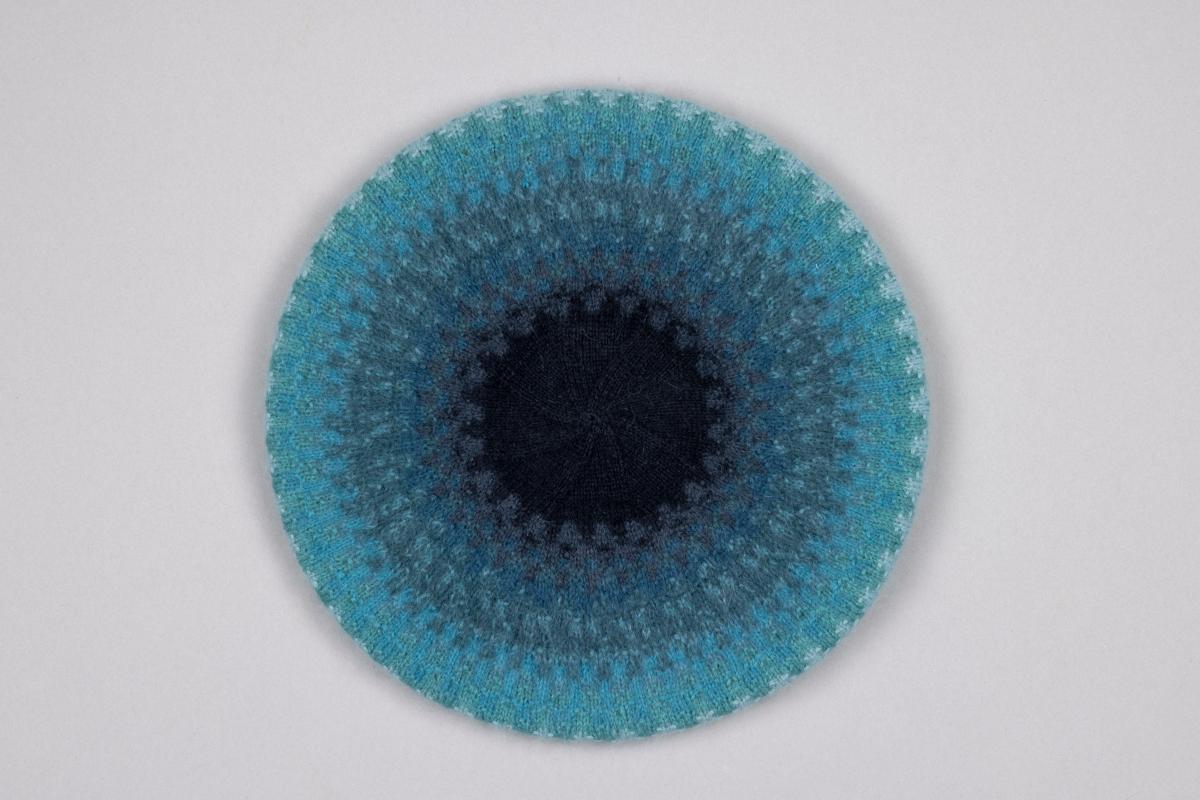
With her expert sense of artistic quality and exquisite craftsmanship, Emma Jacobsson engaged the best workers she could get, including knitting experts and wool specialists. In addition to designing her own patterns, her close friends were also able to provide pattern proposals.
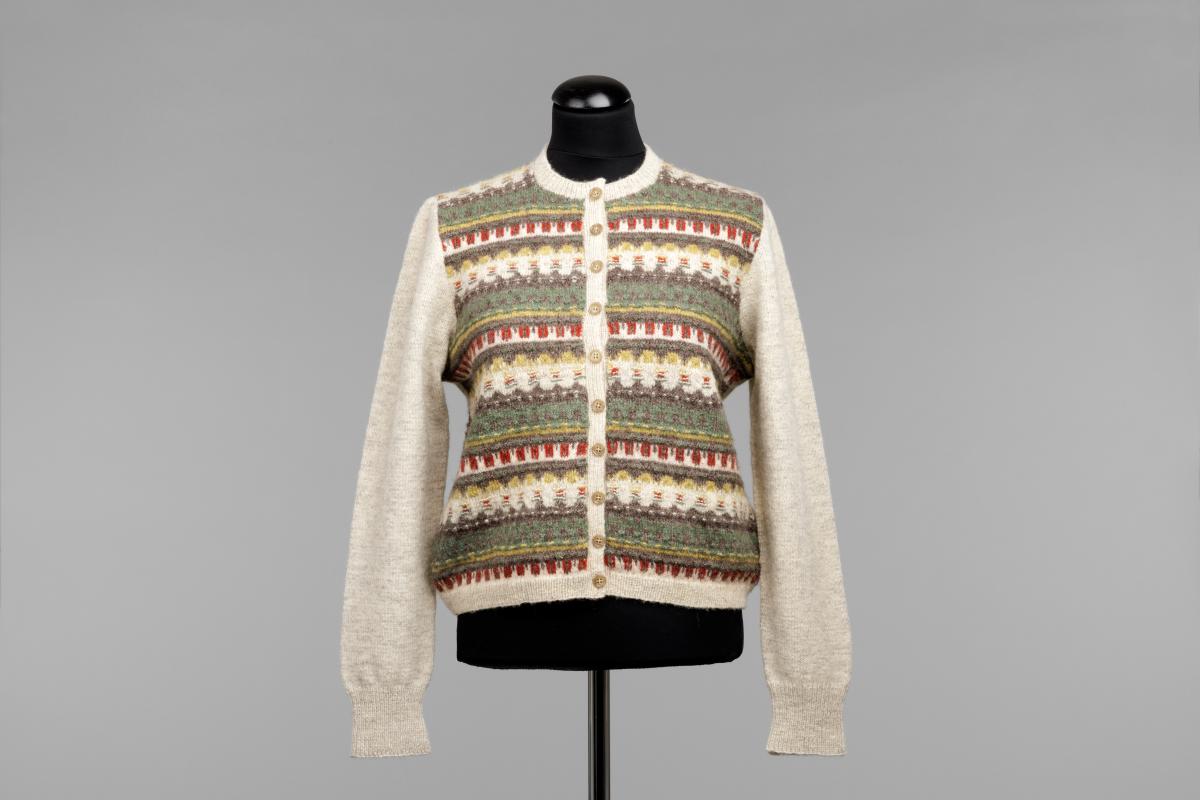
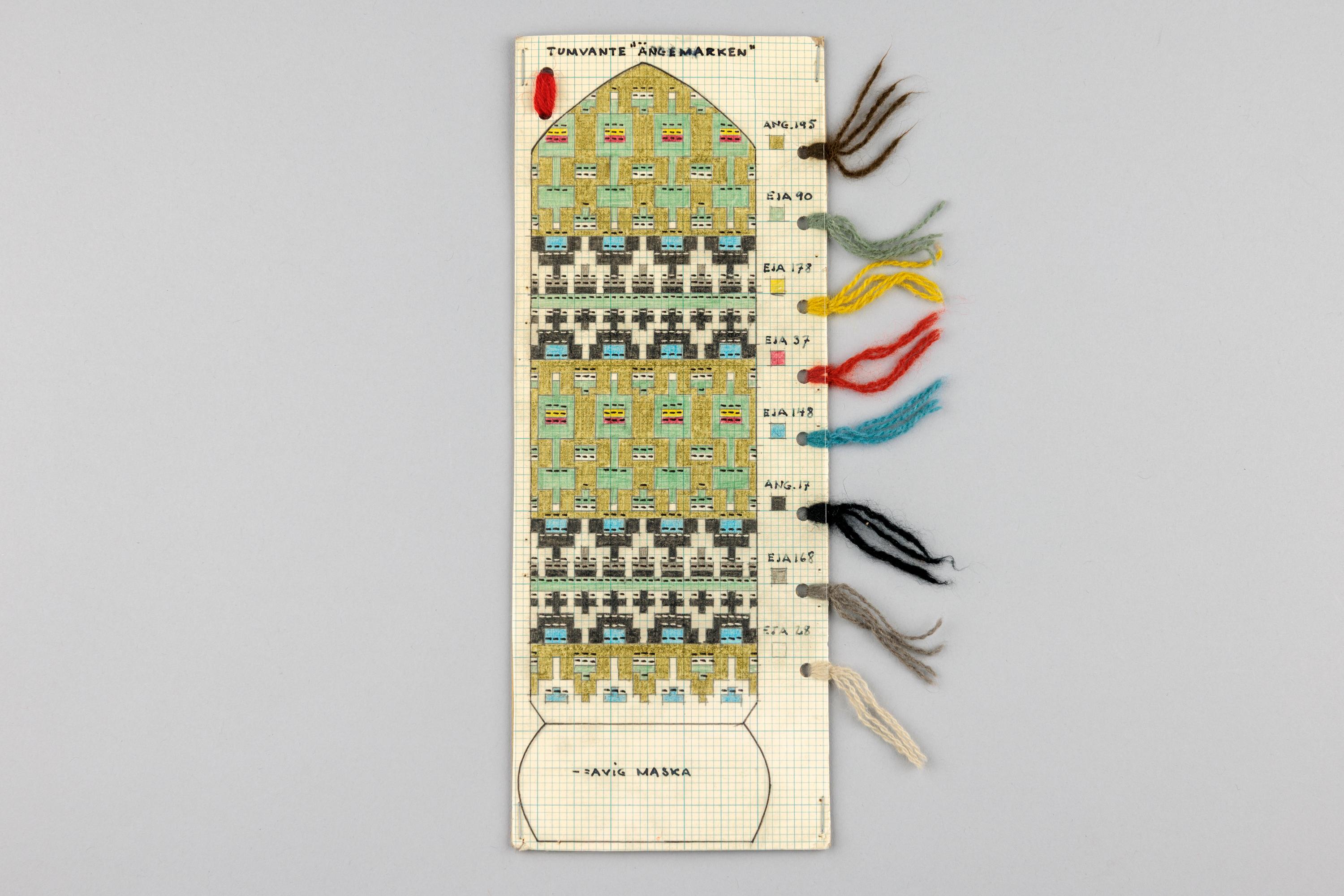
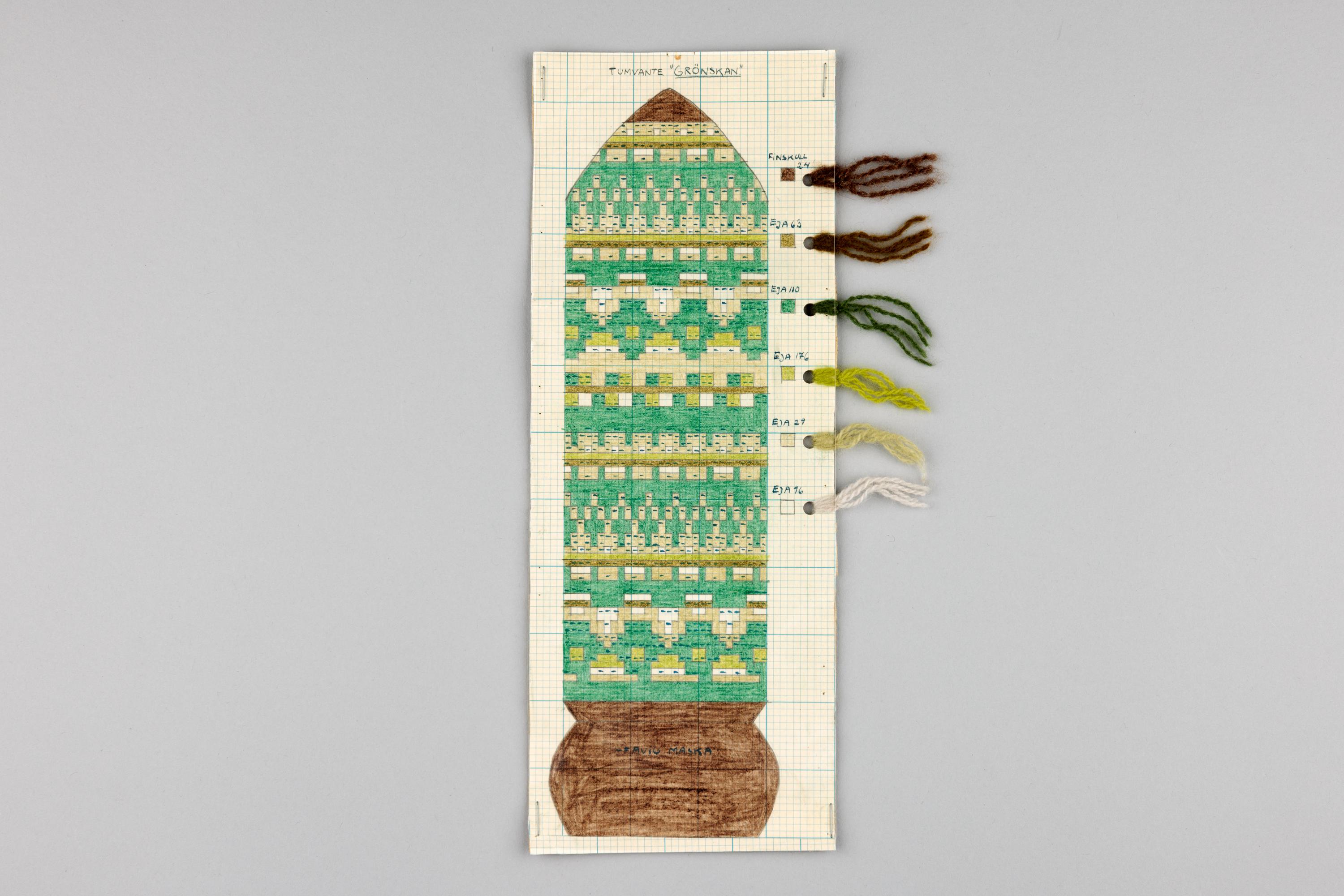
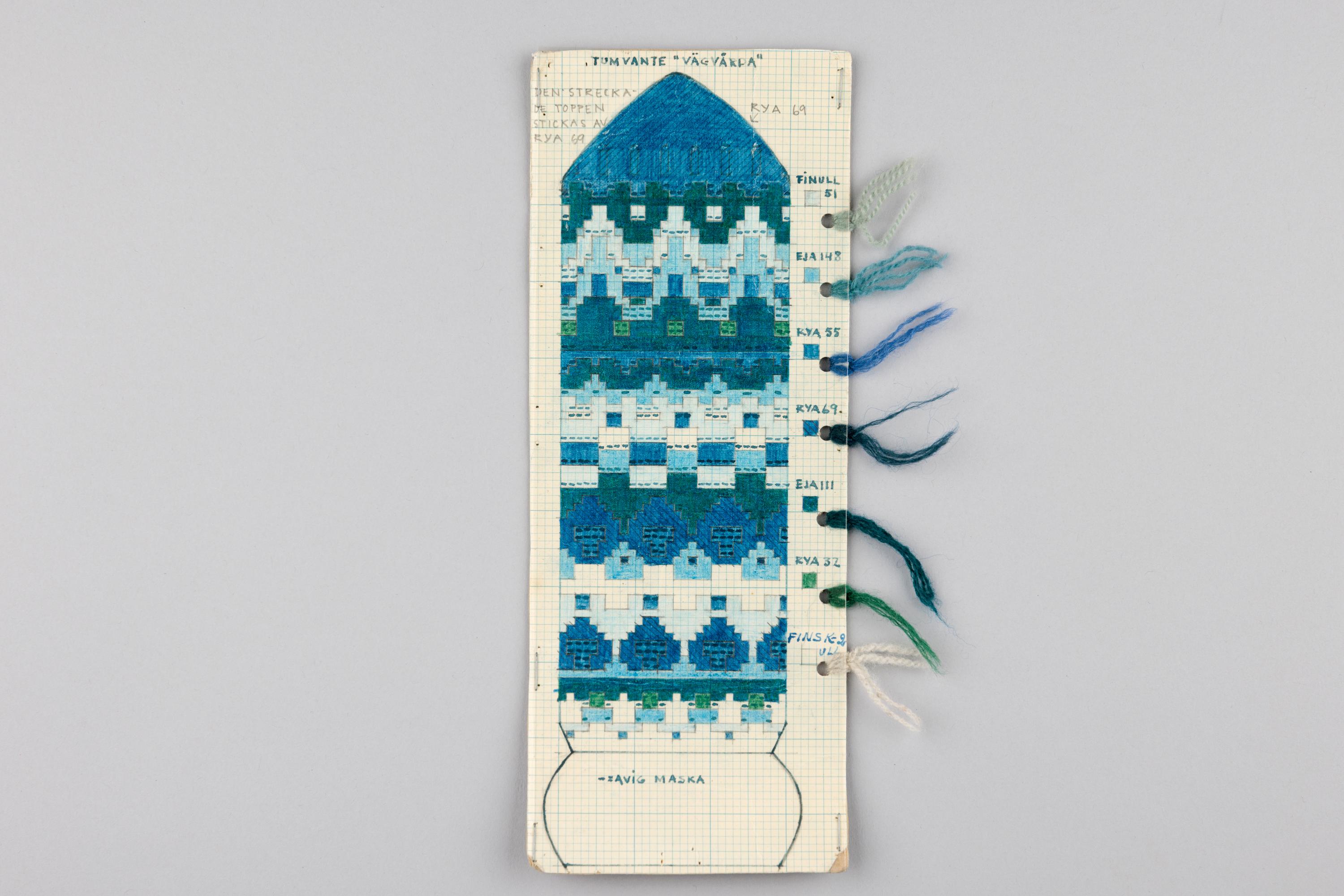
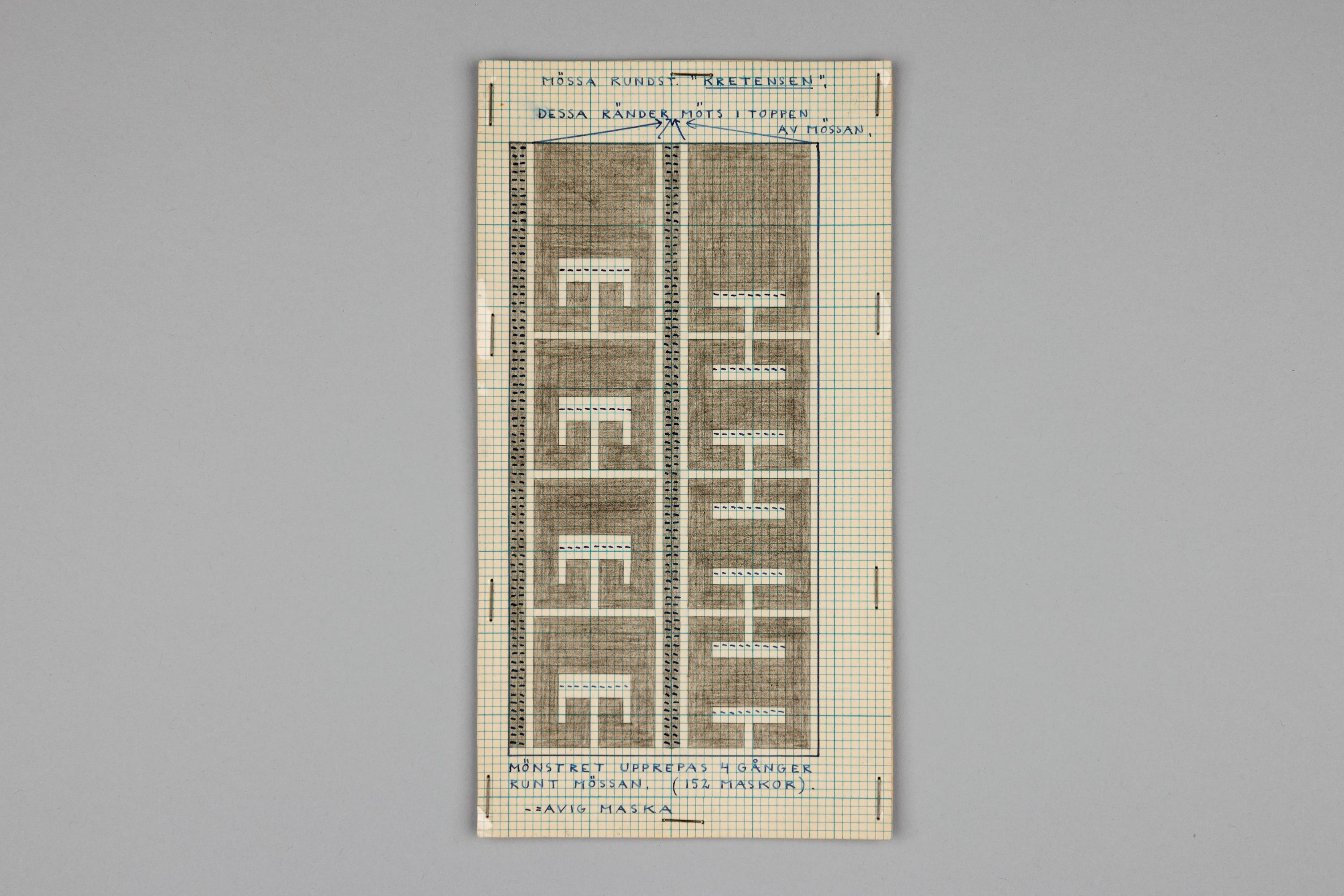
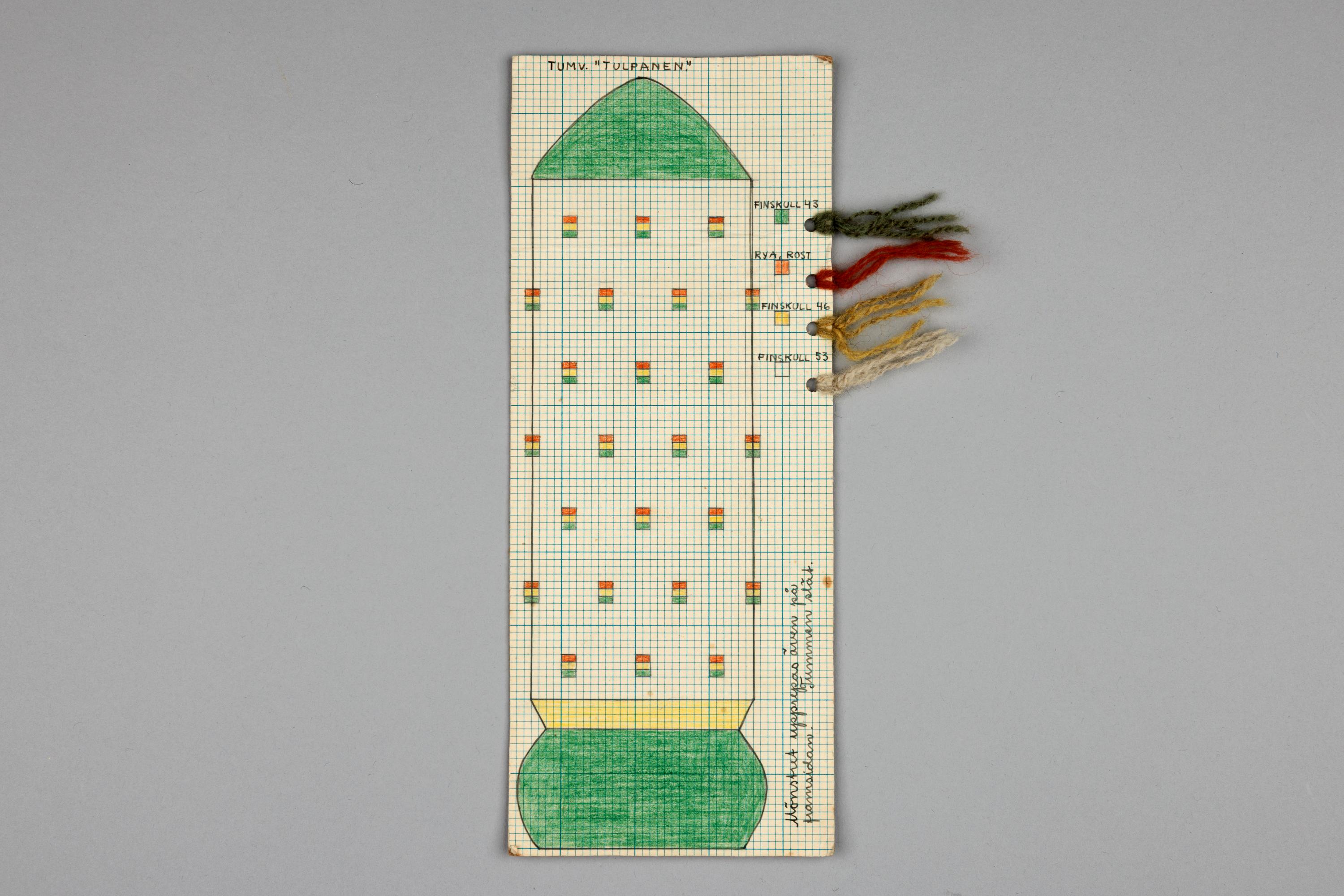
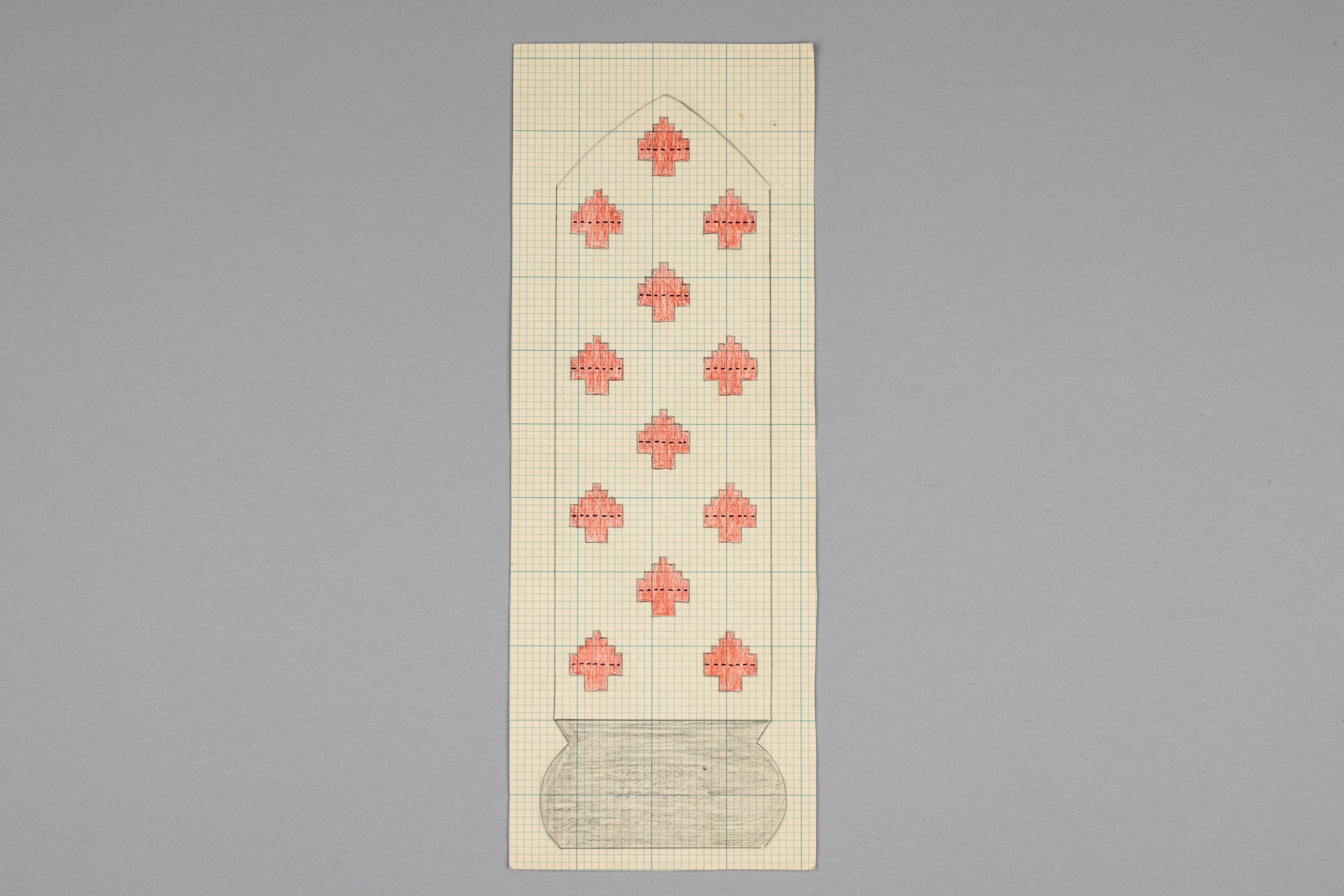
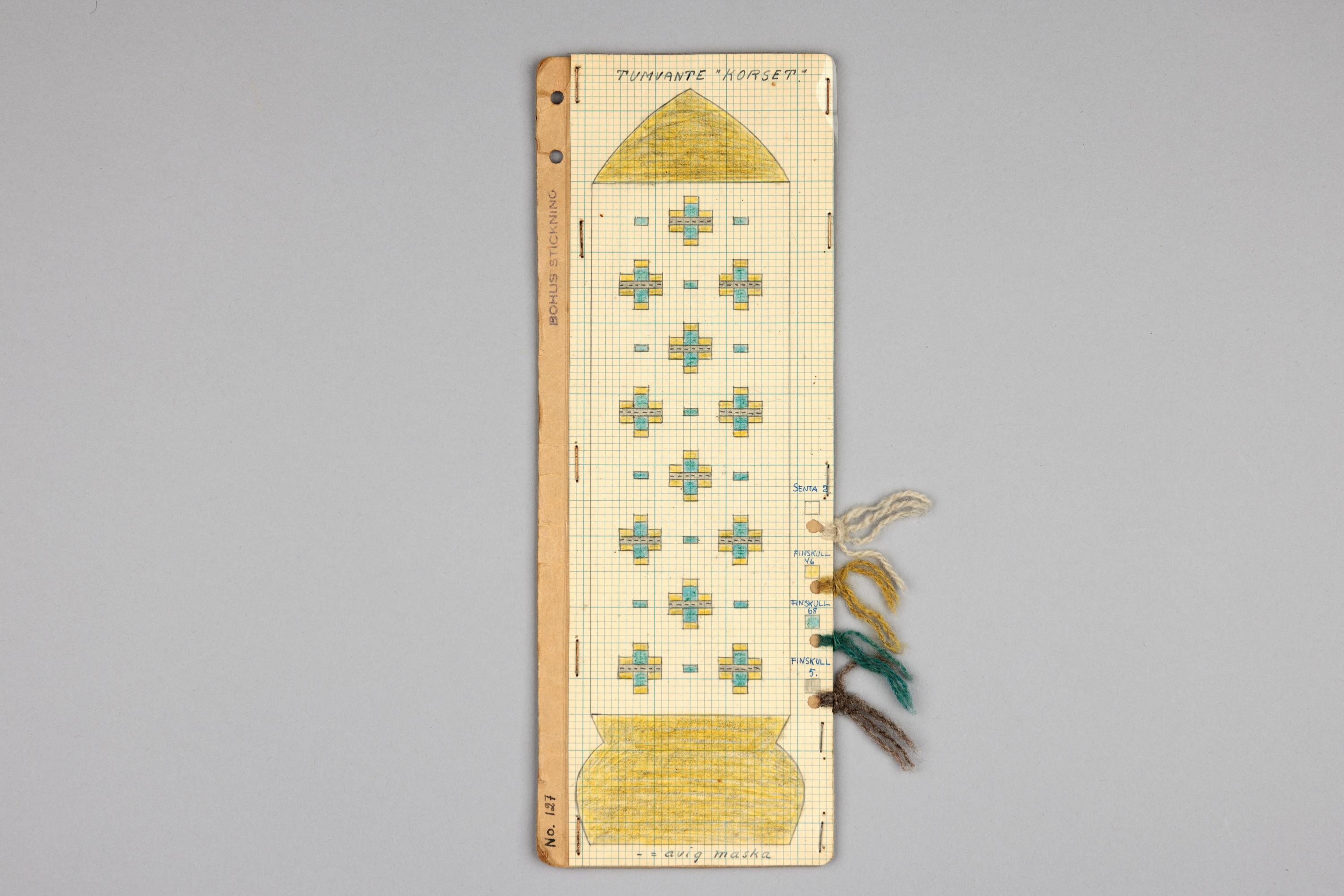
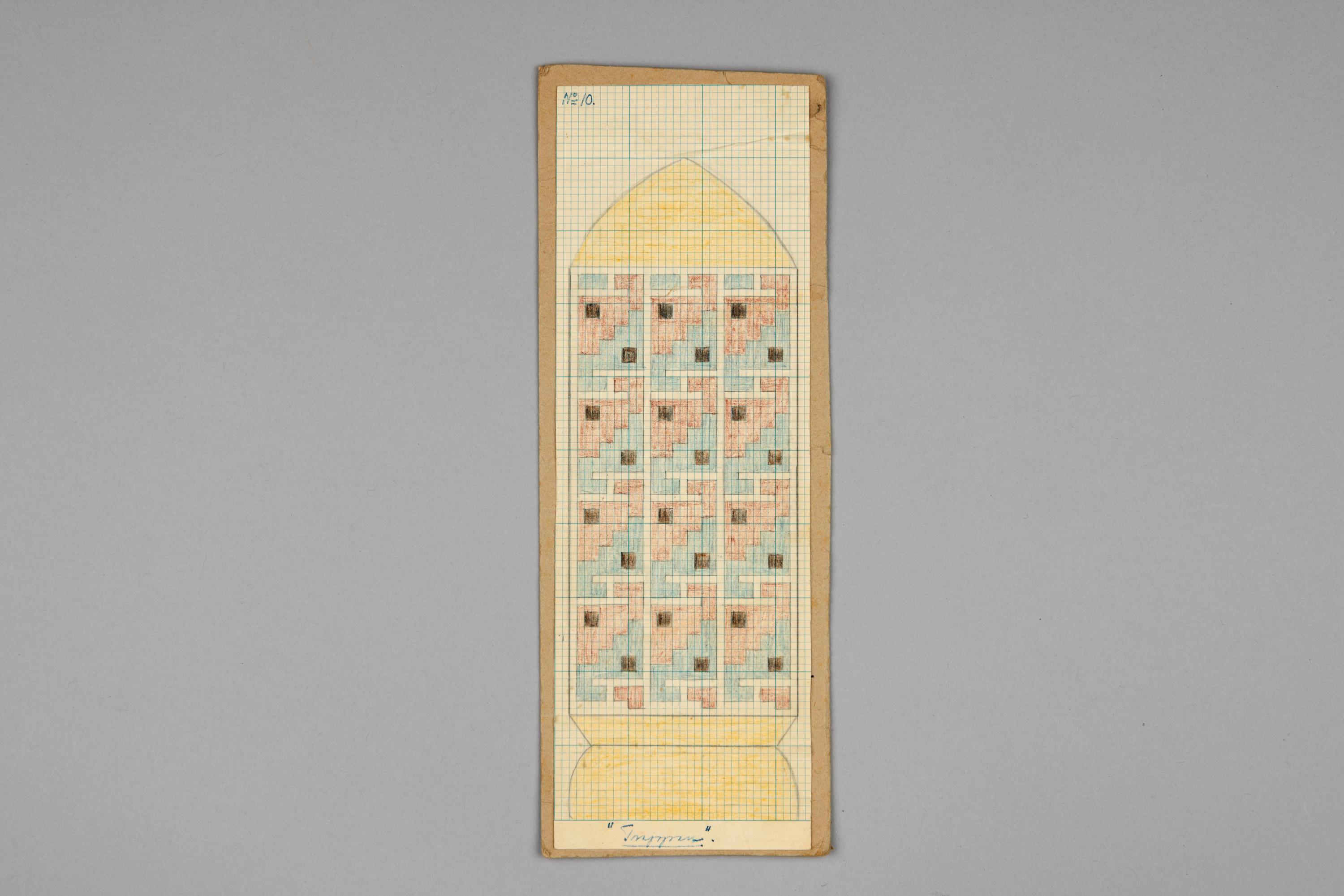
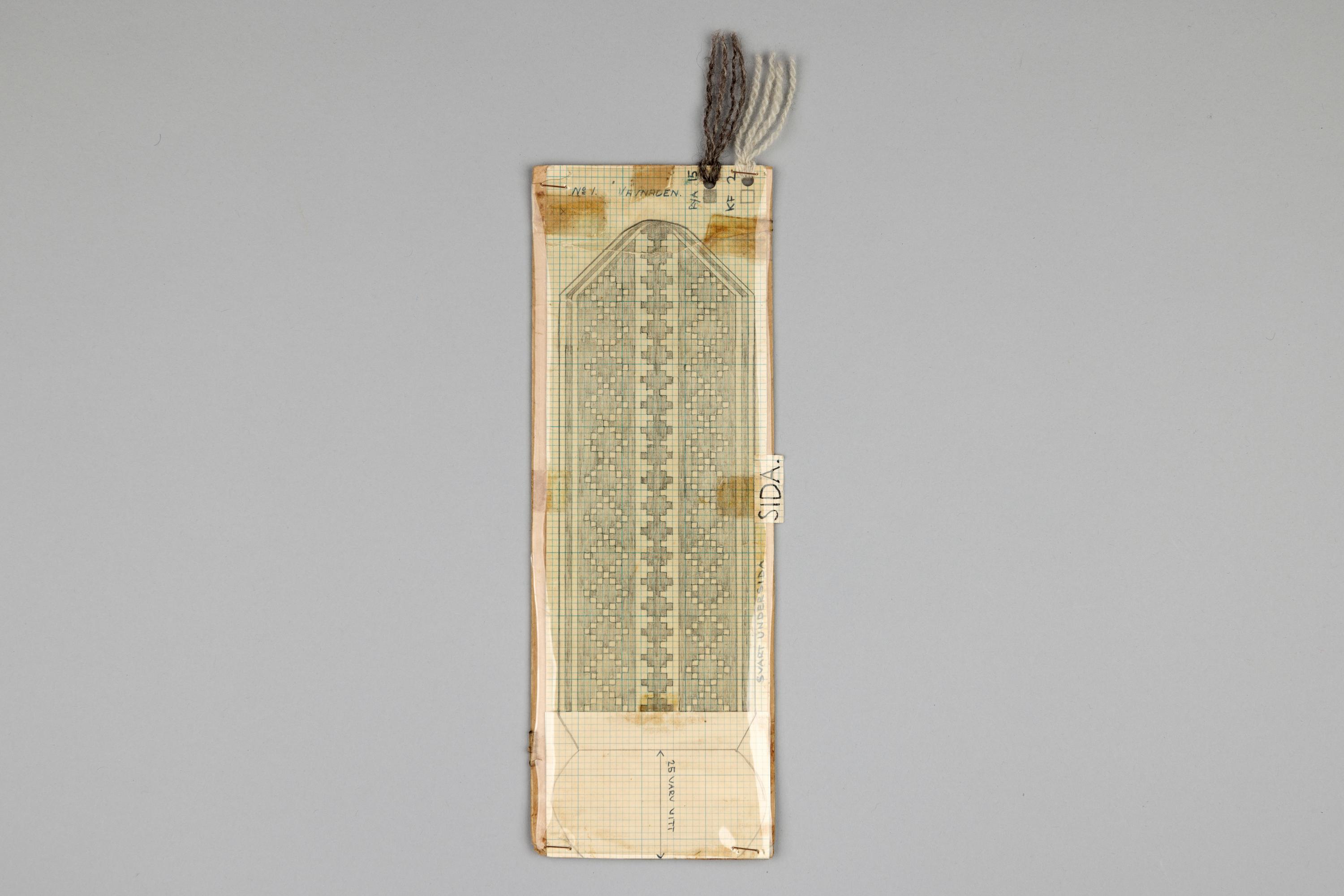
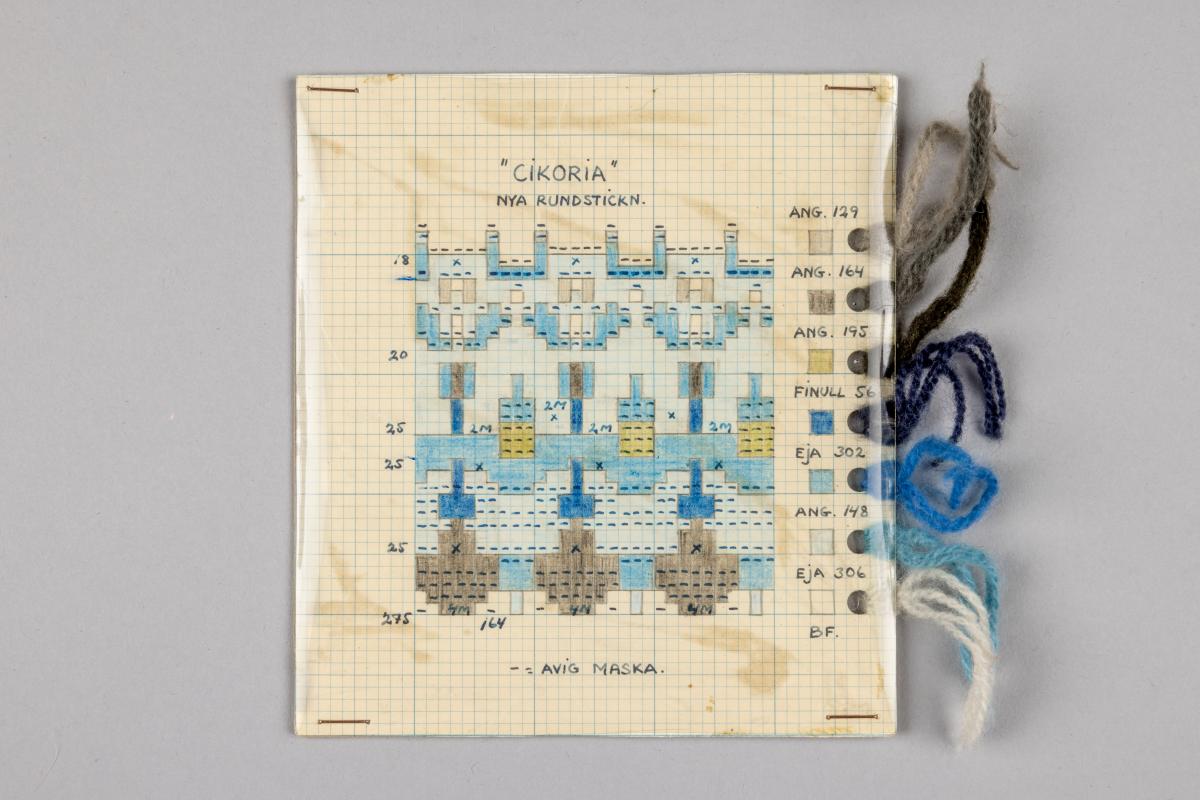
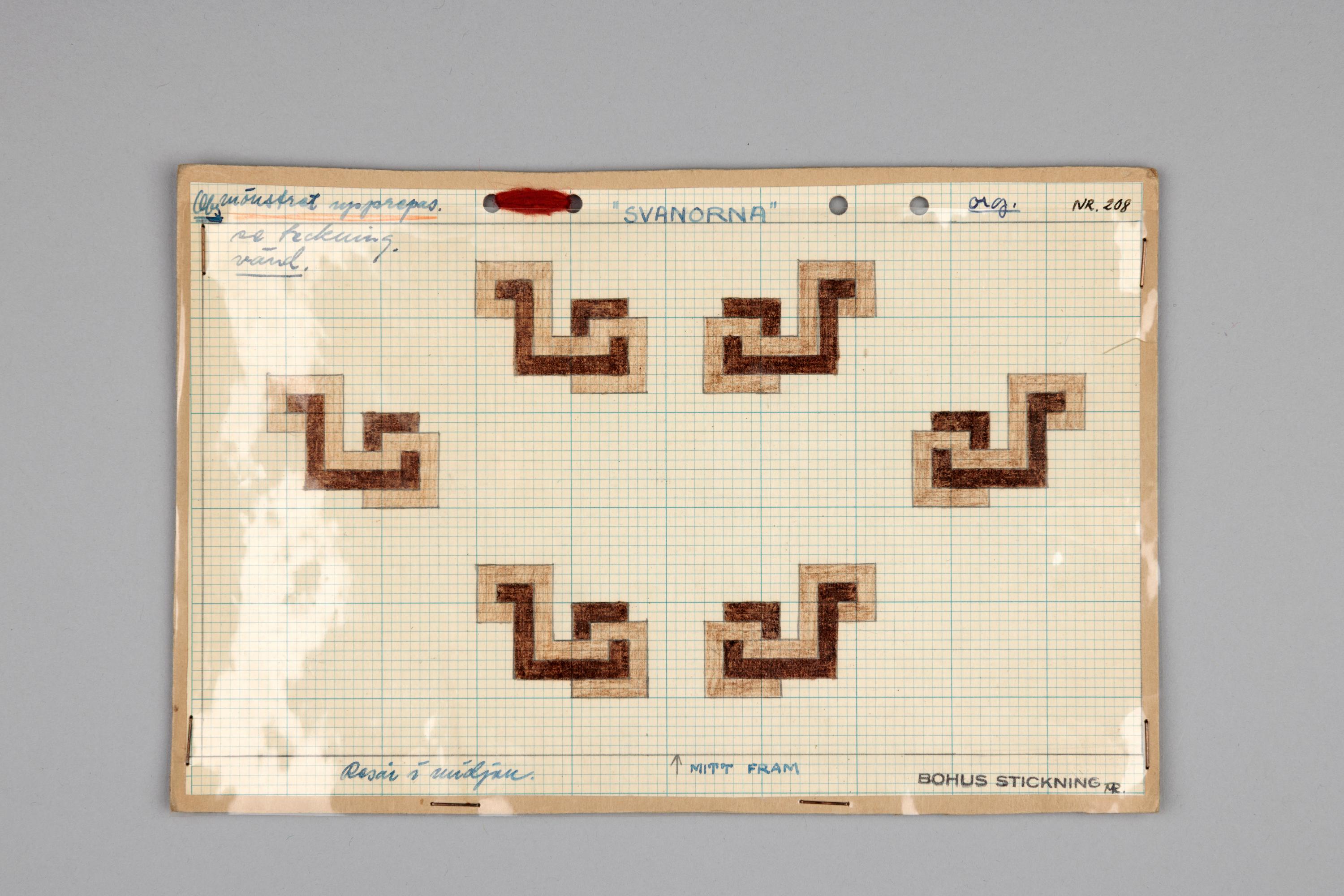
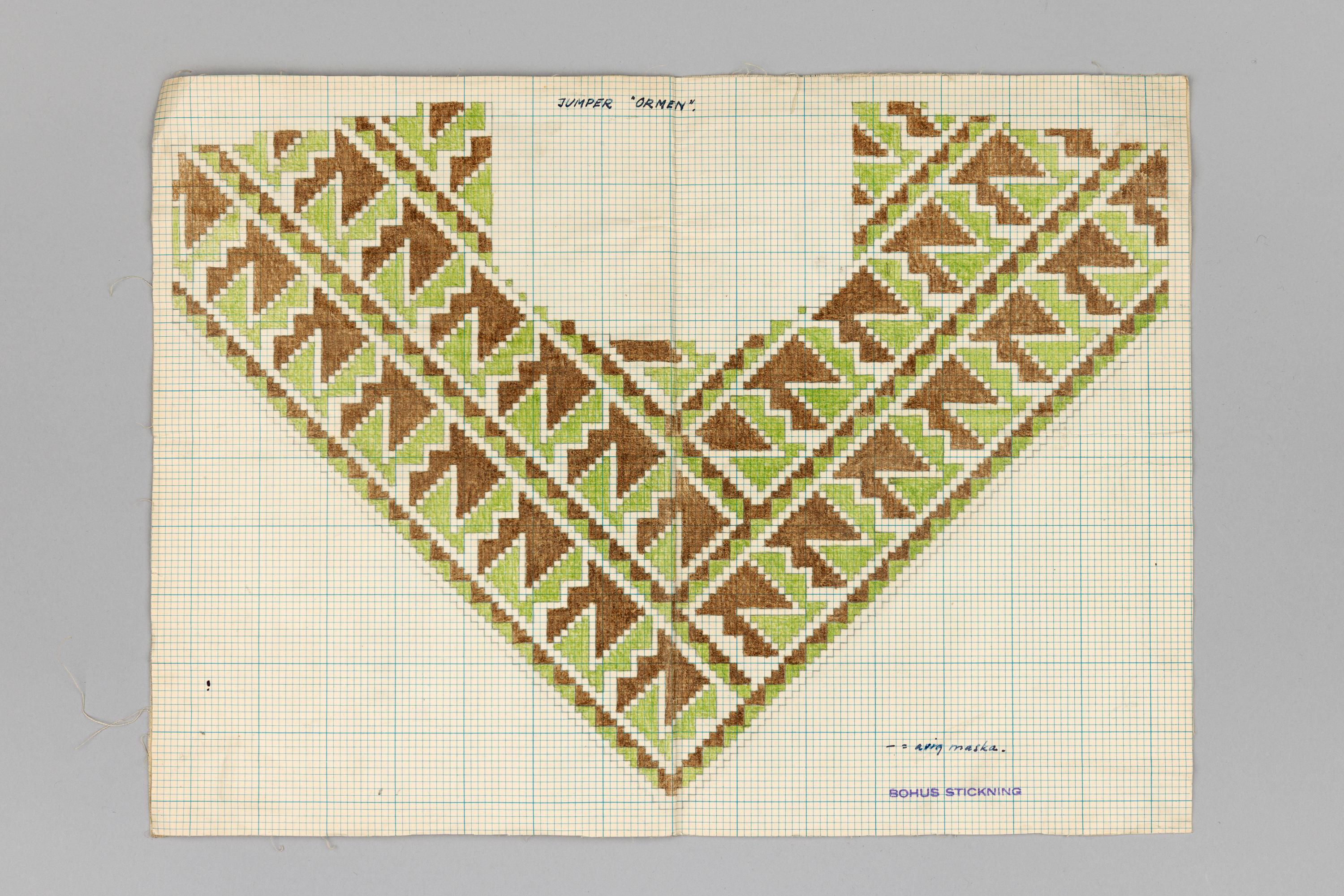
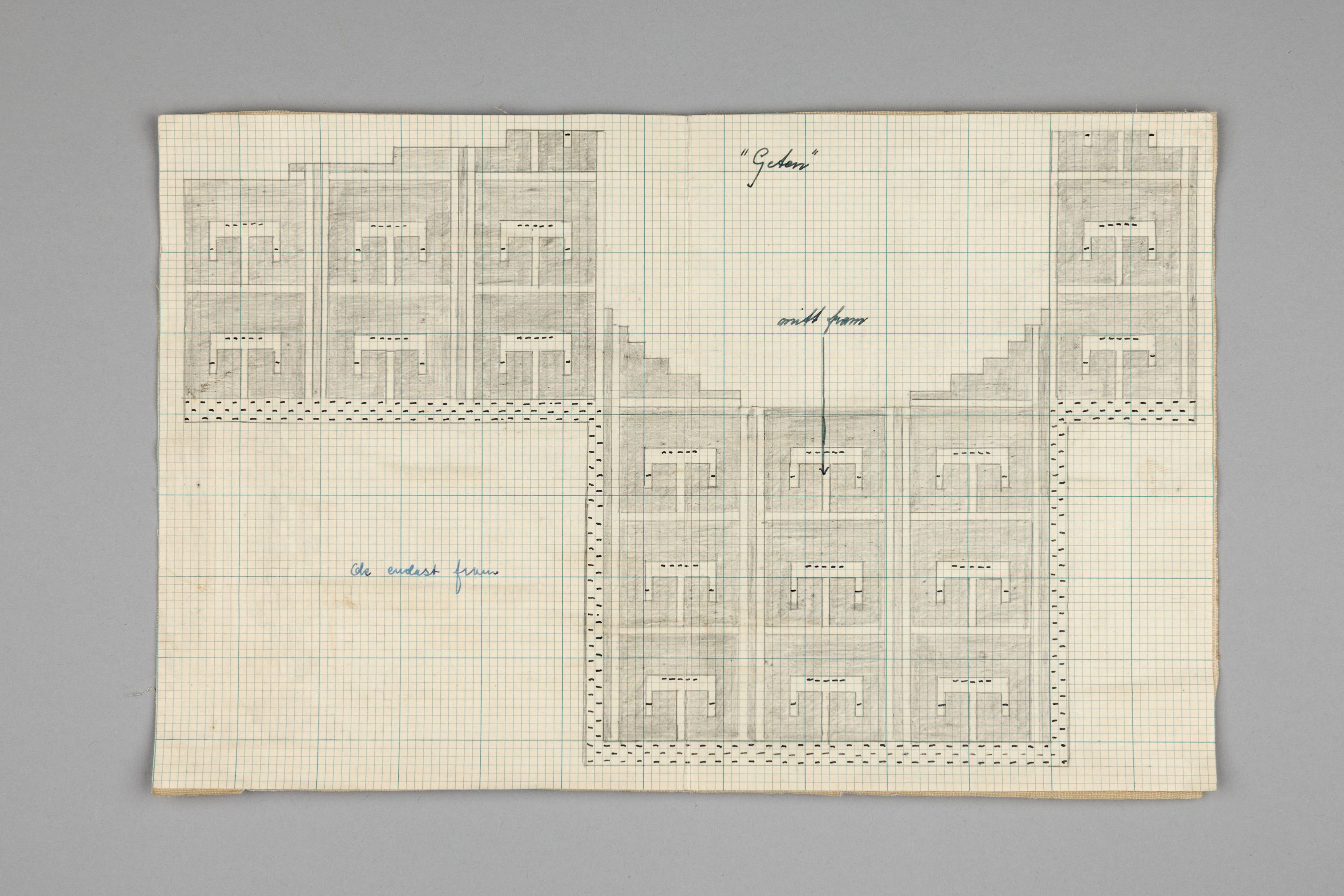
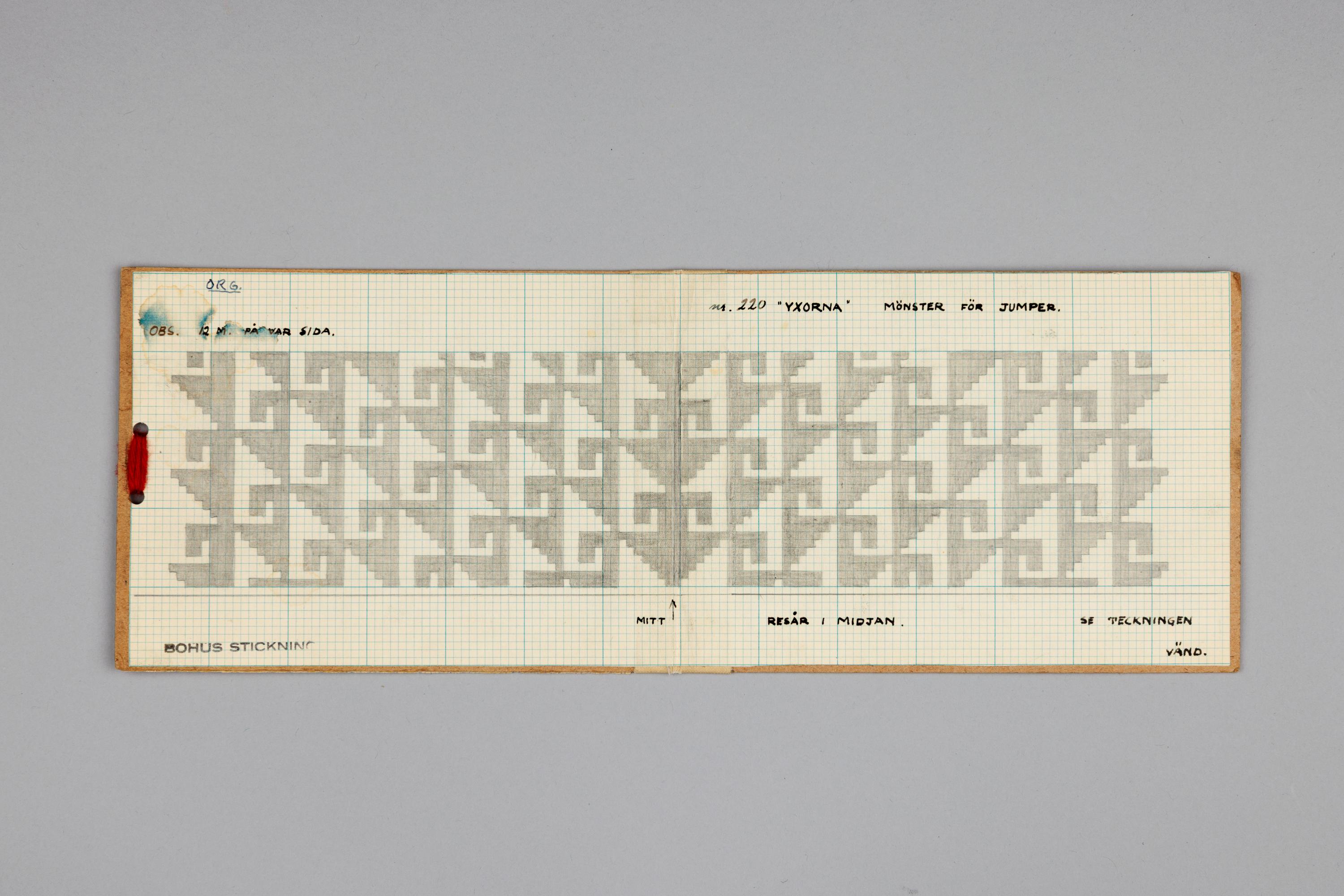
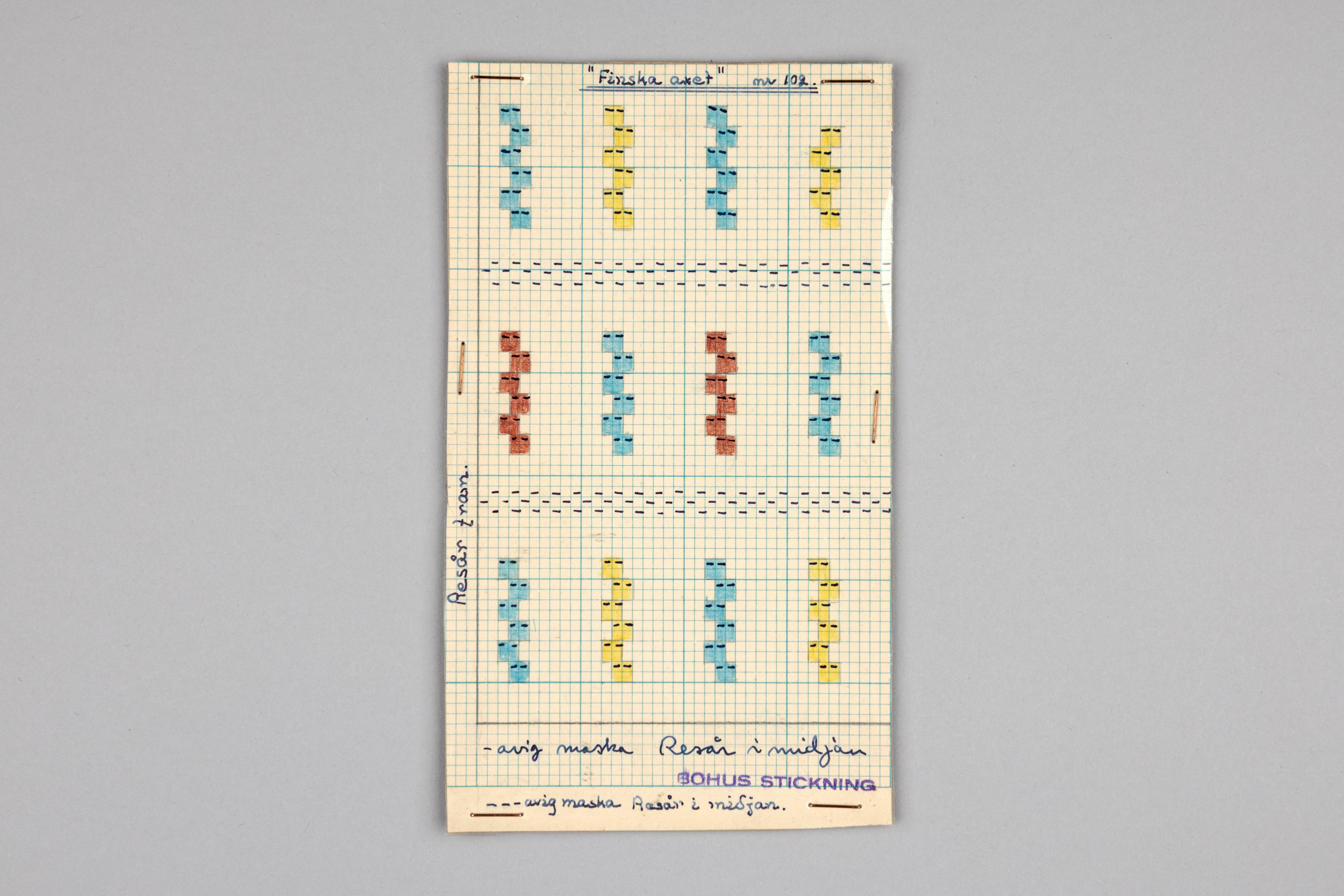
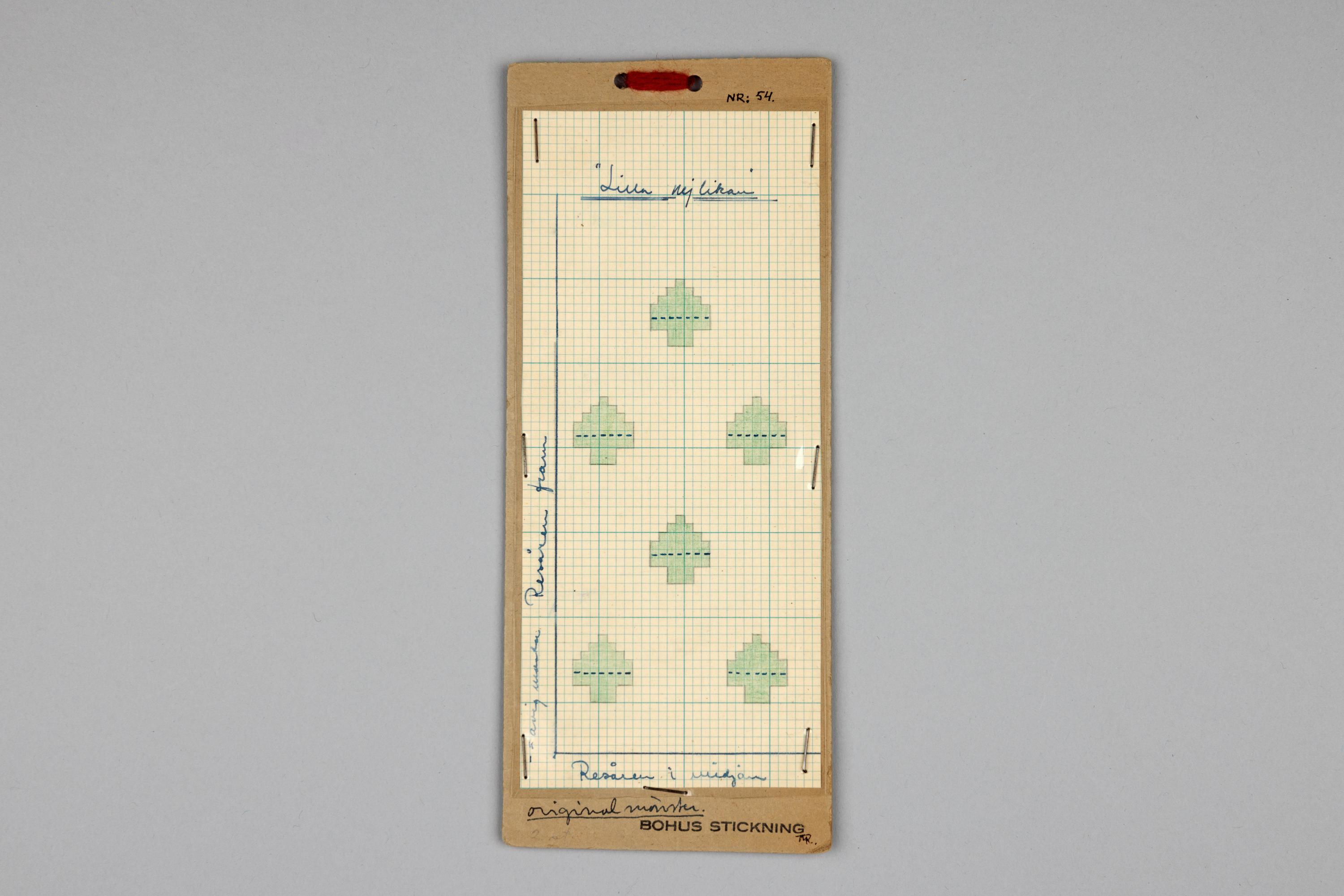
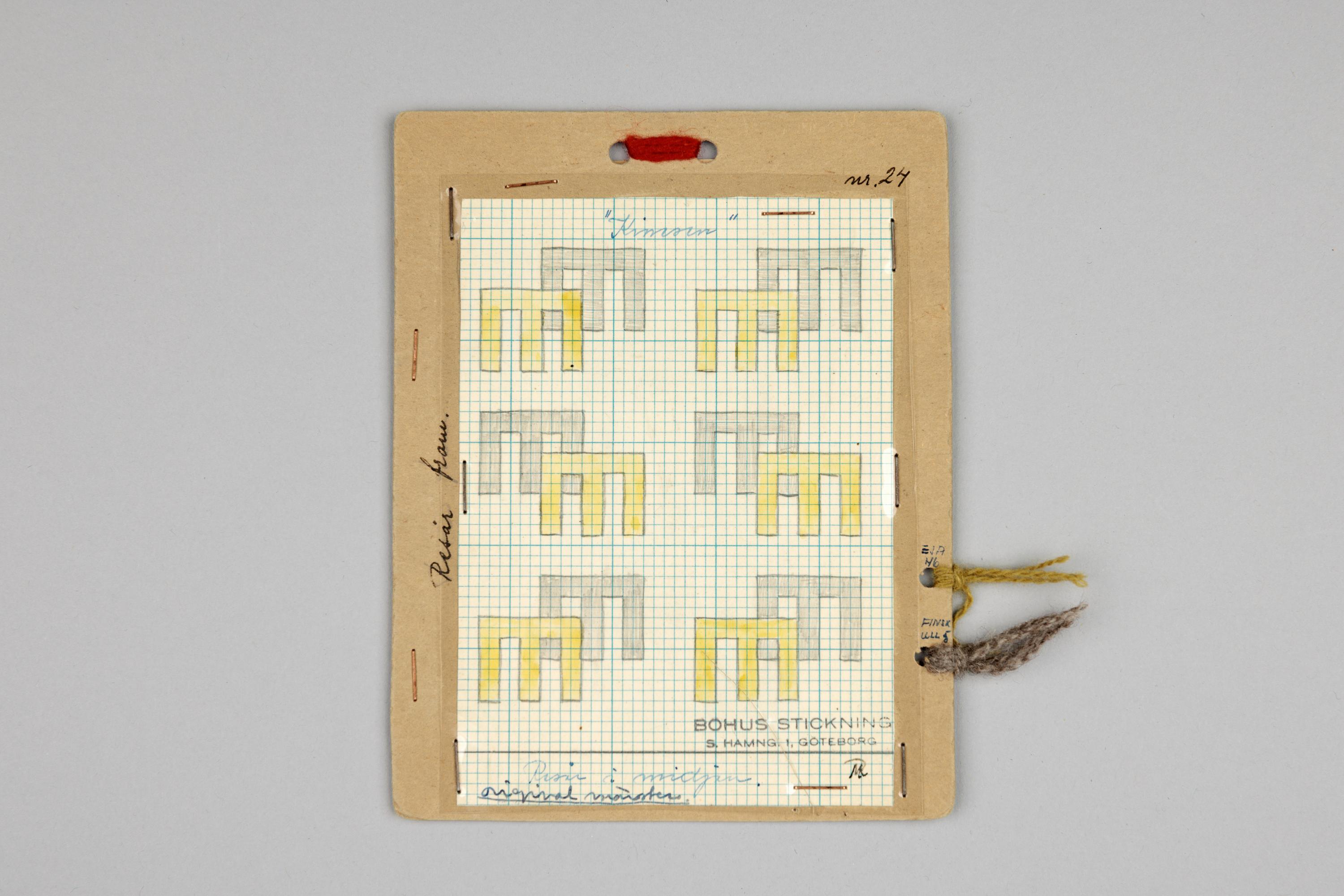
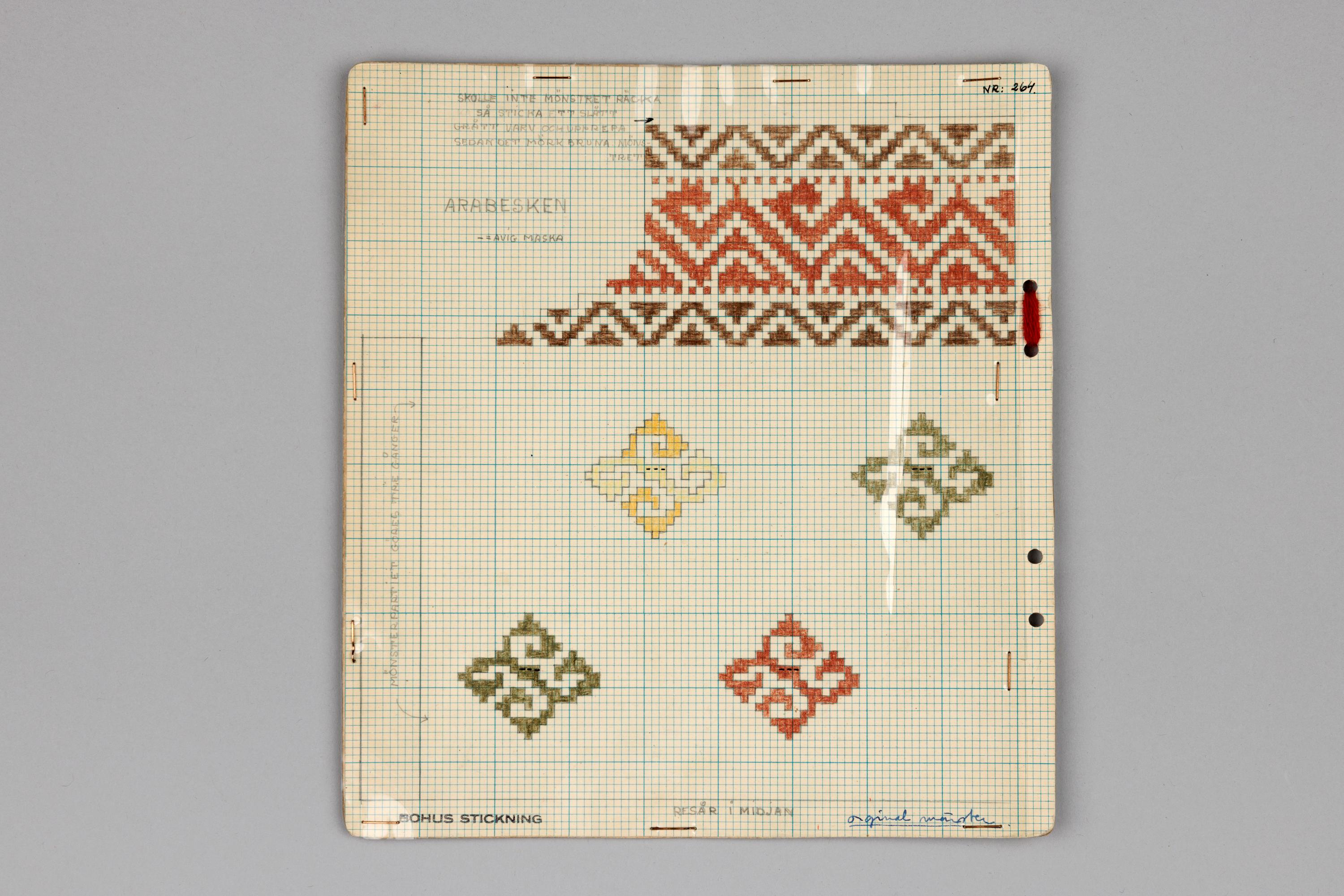
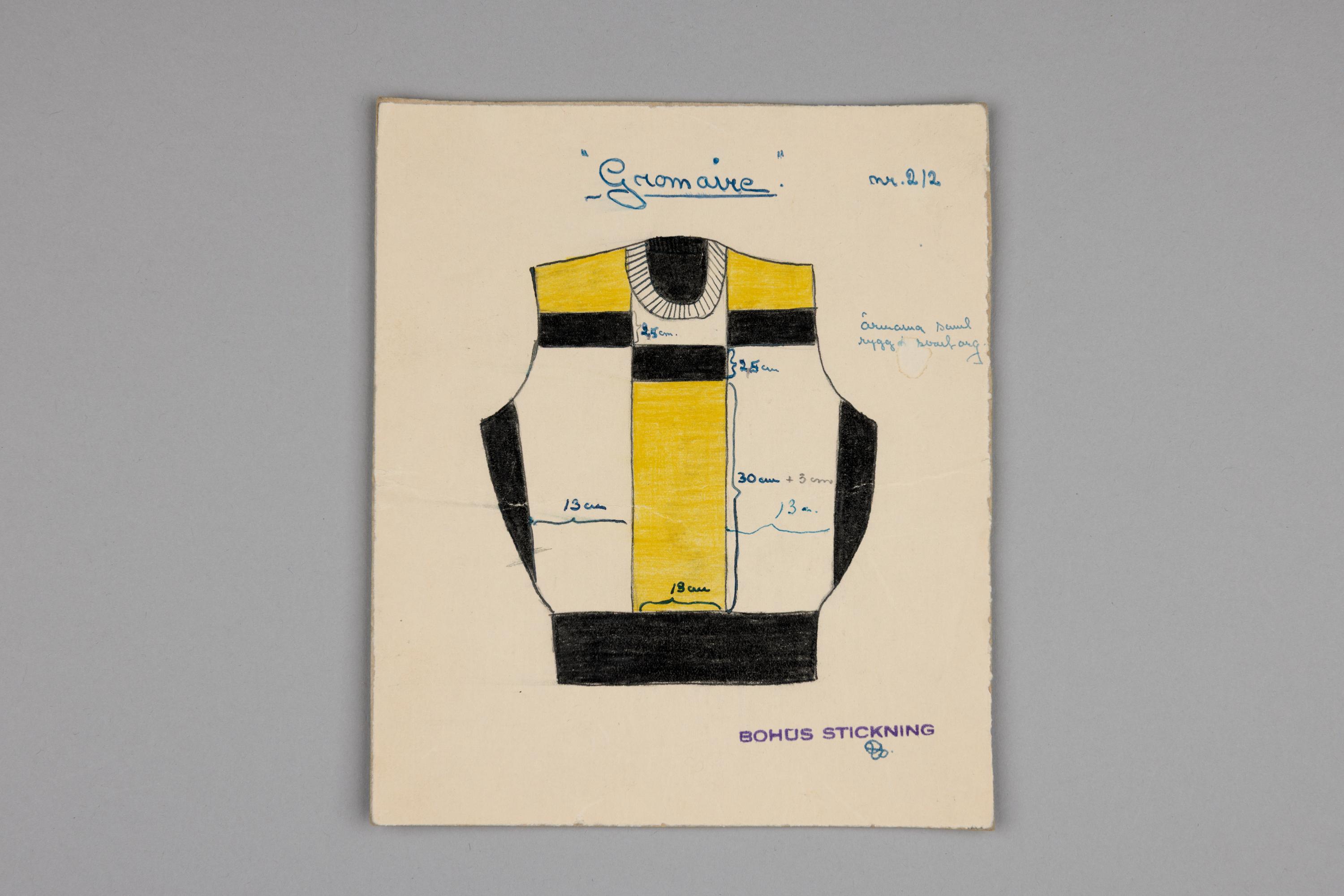
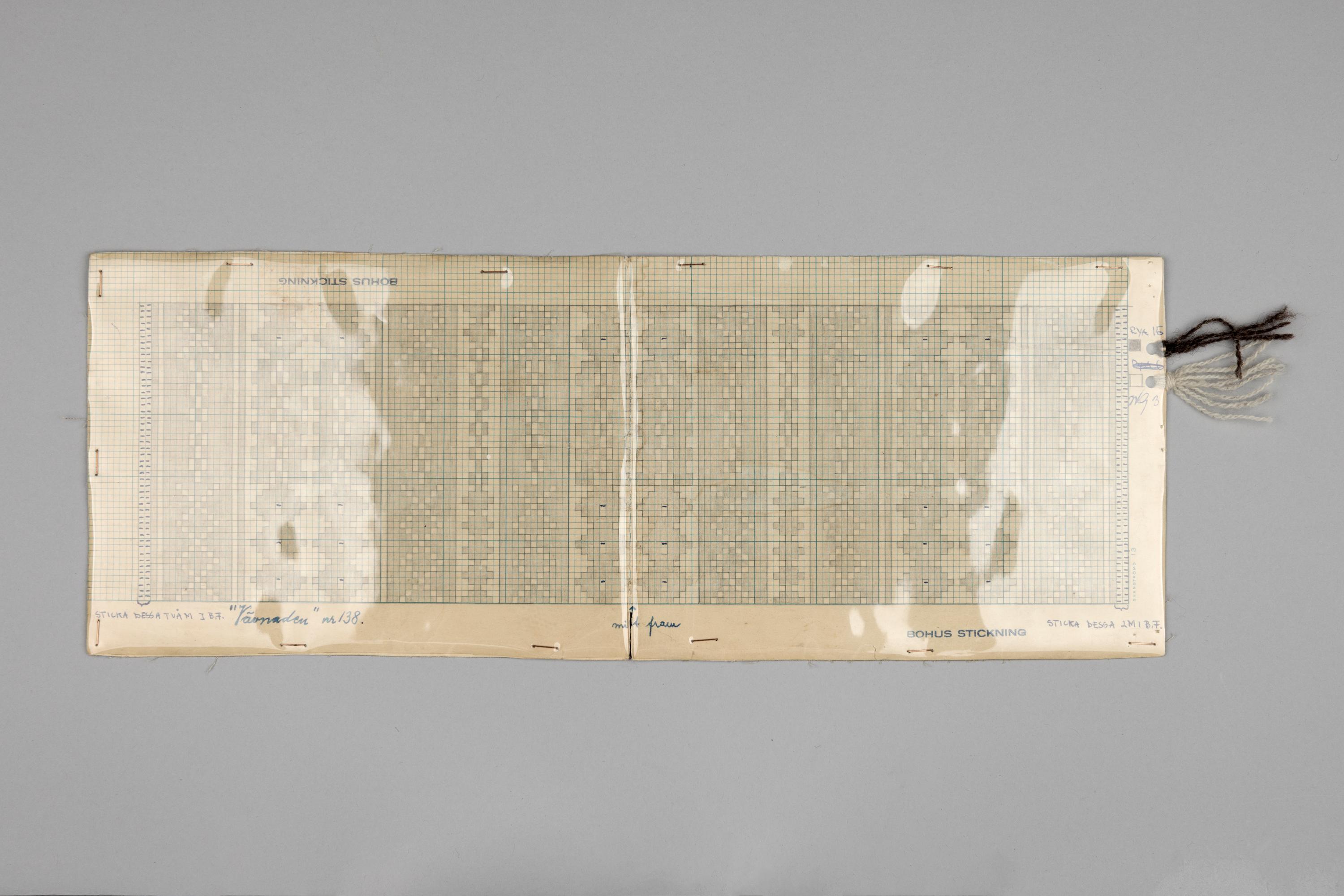
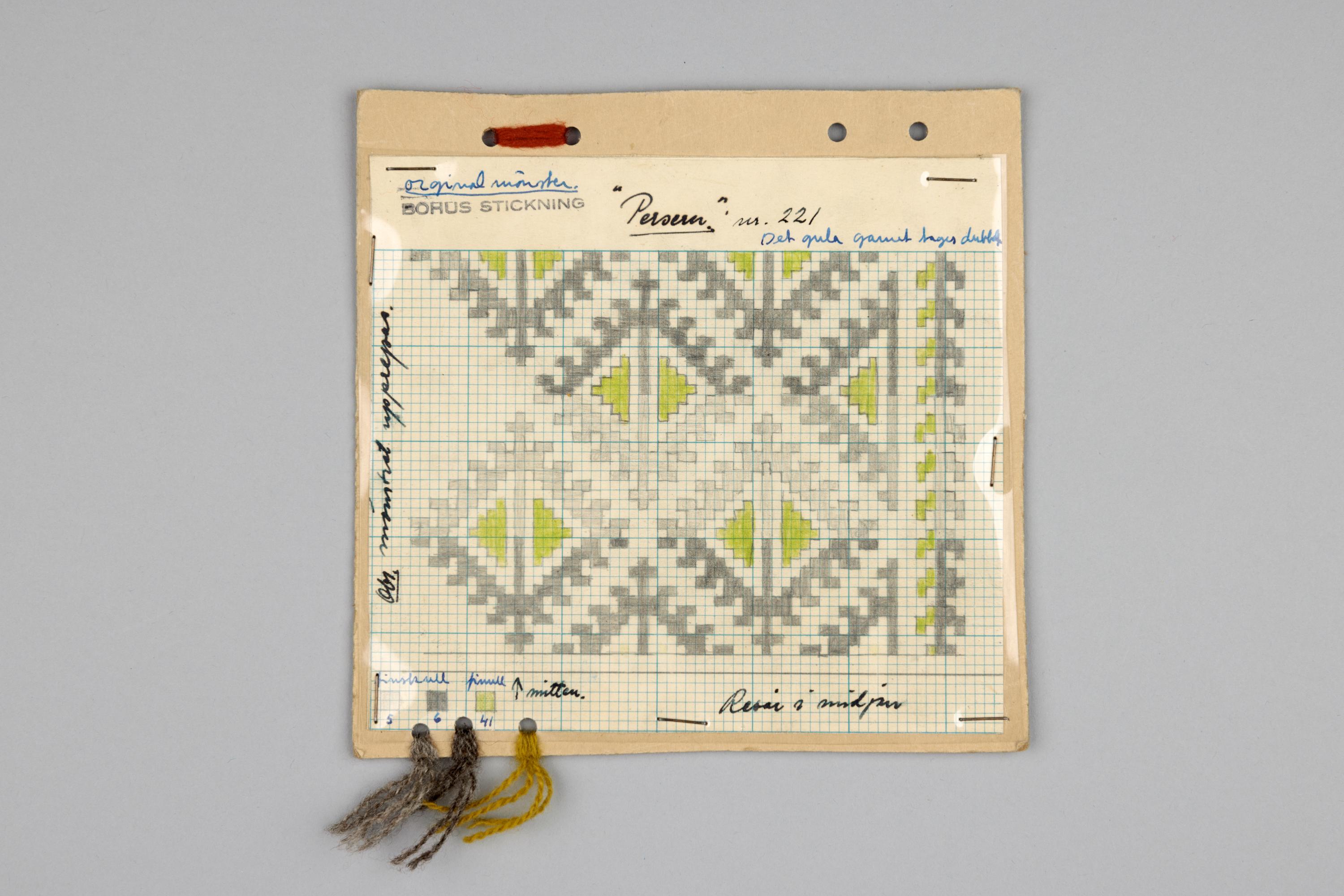
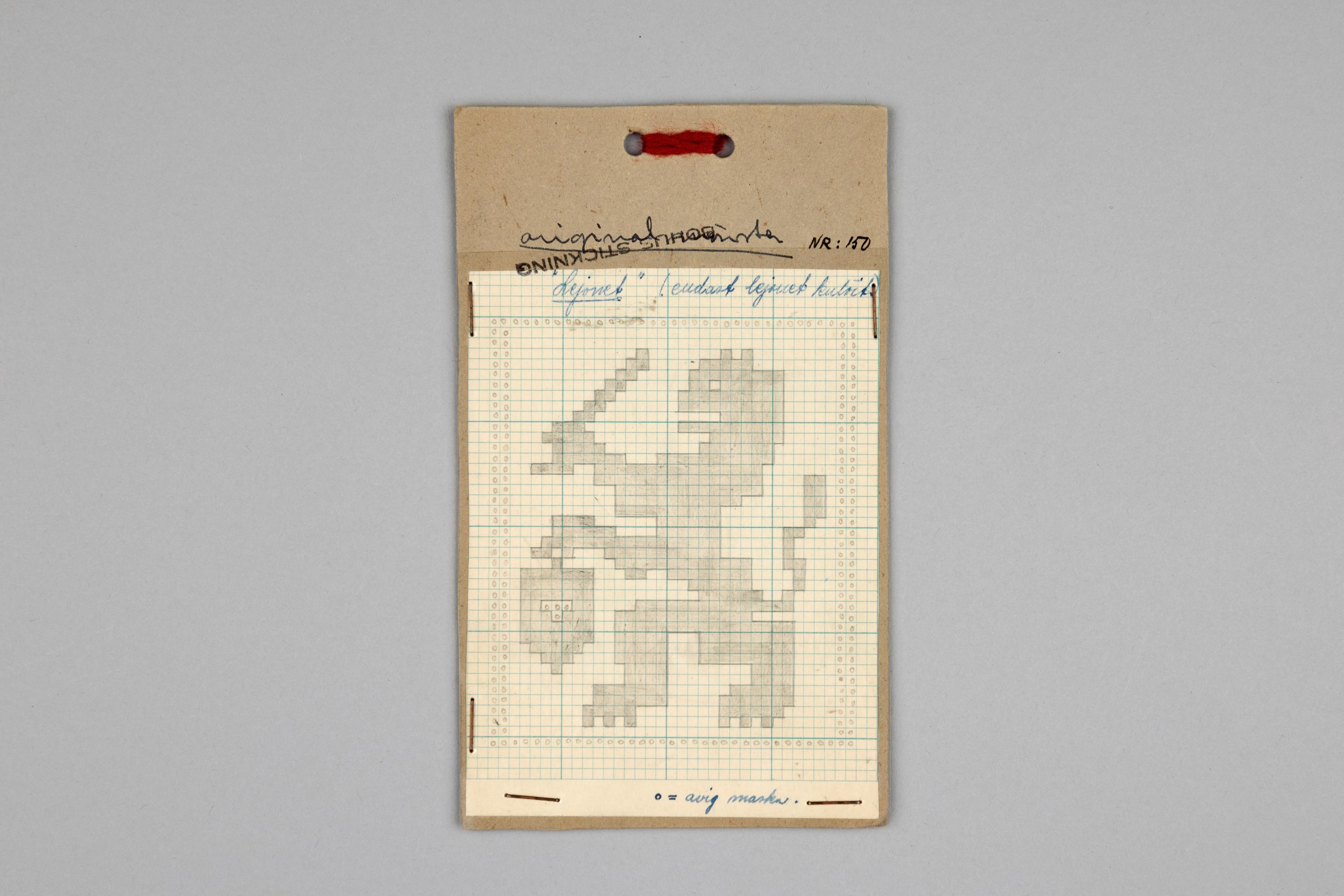
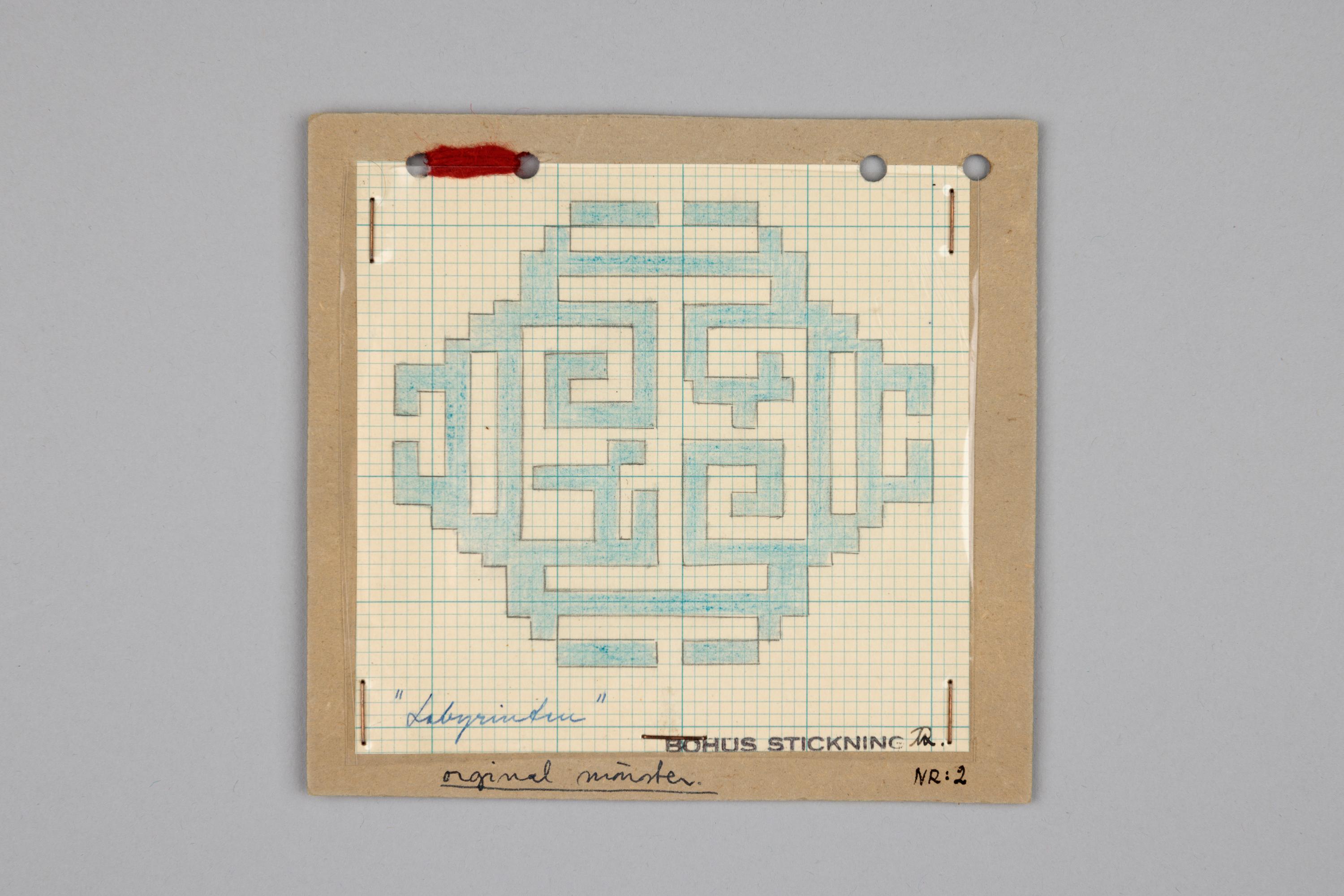
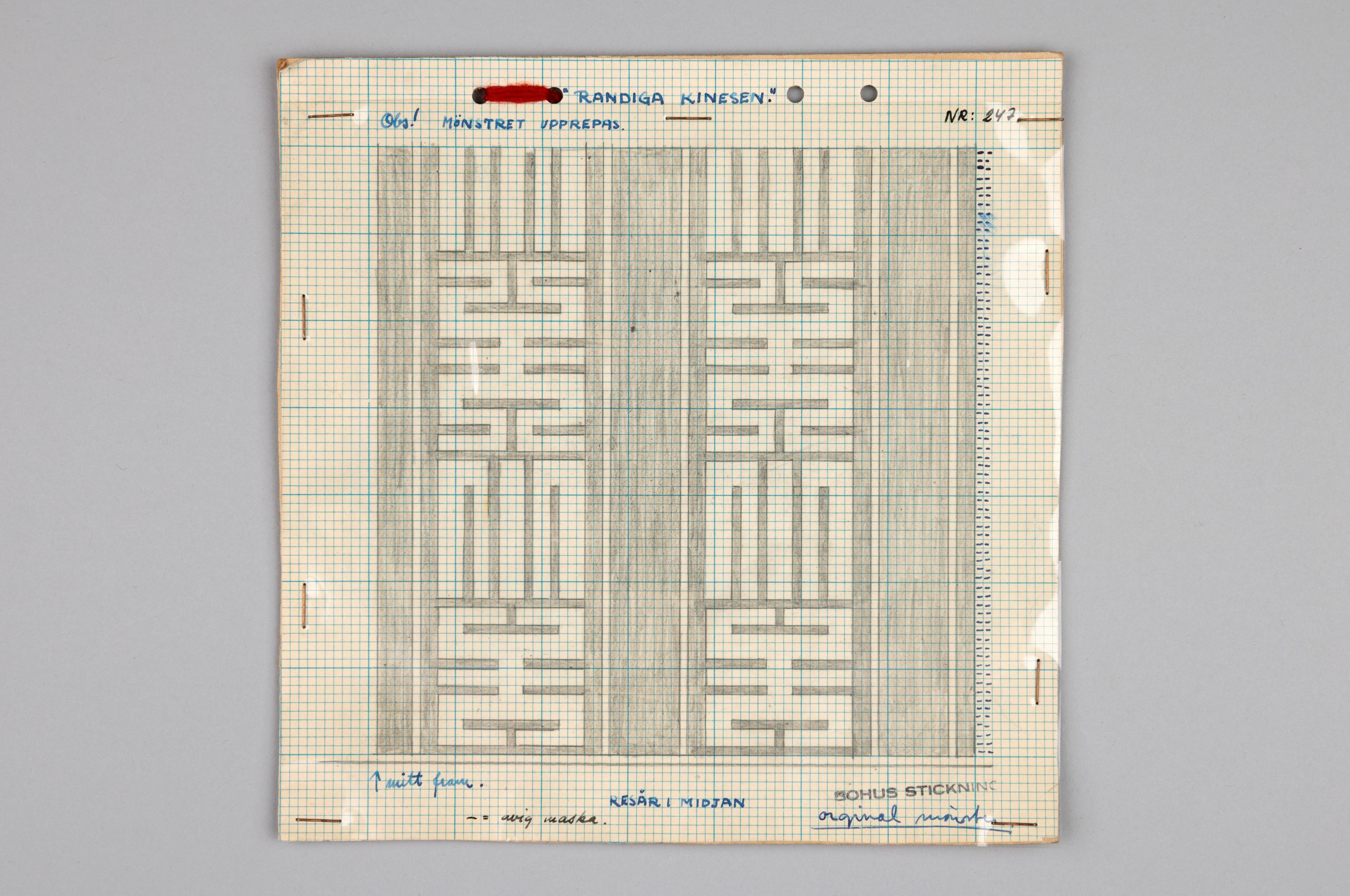
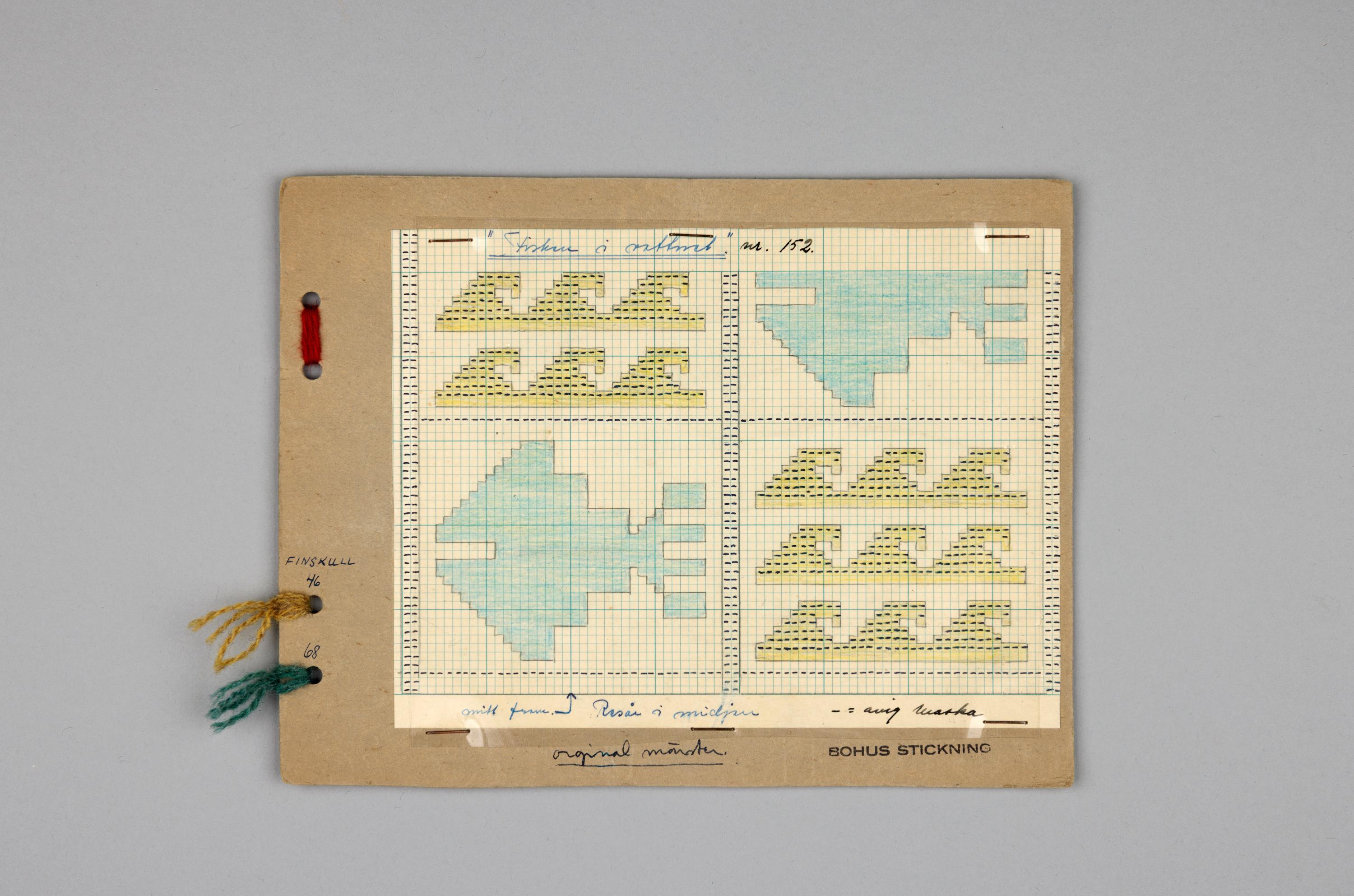
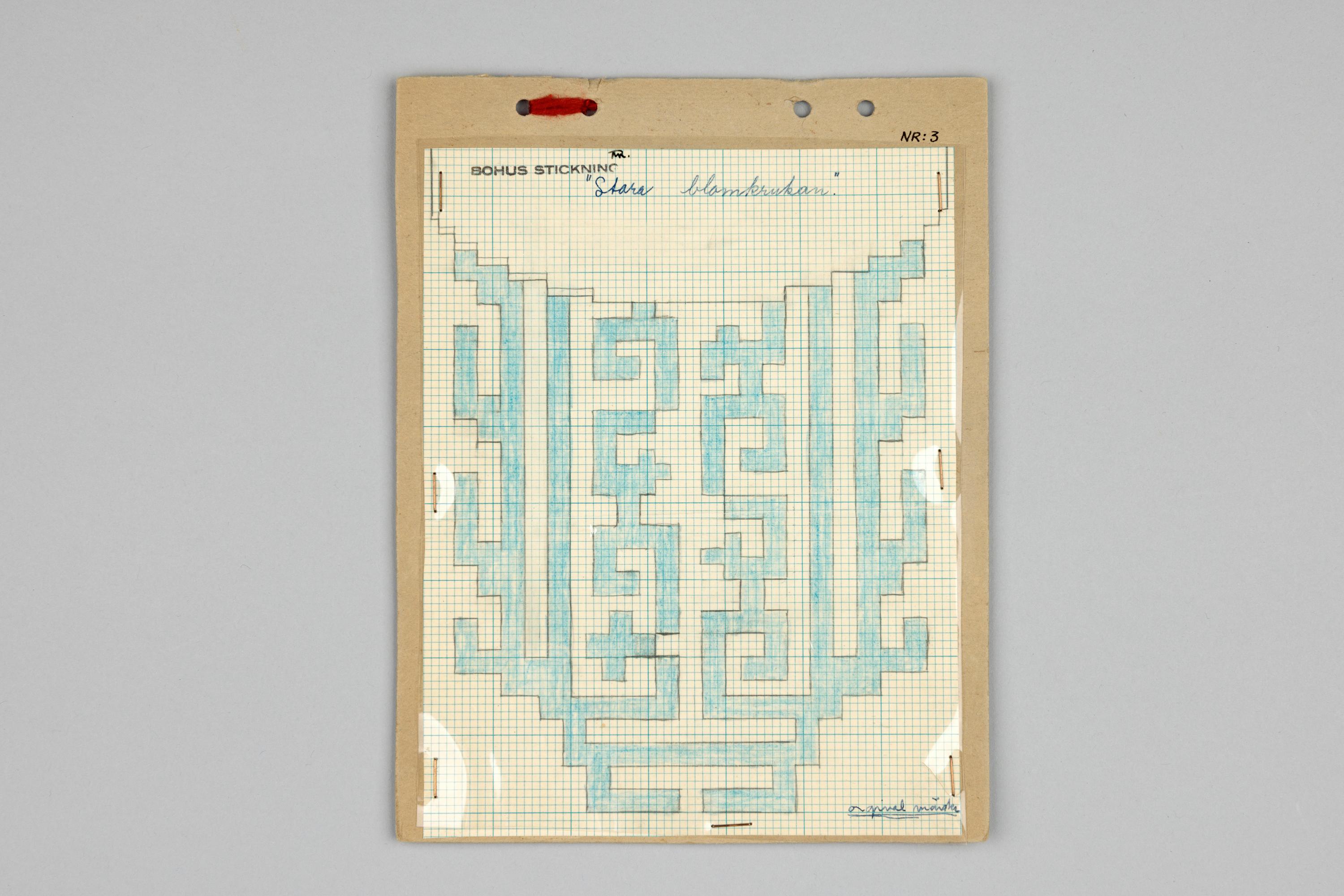
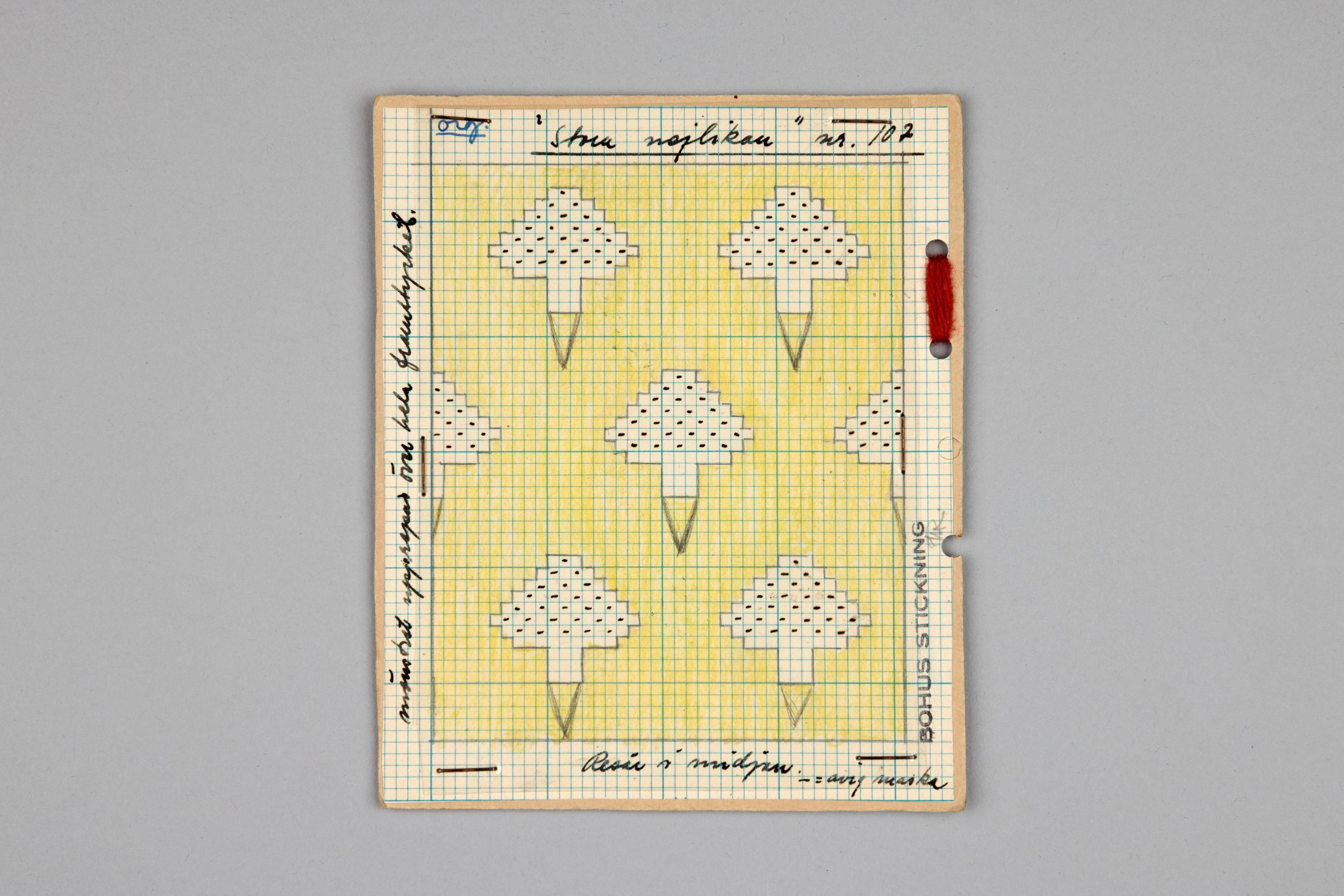
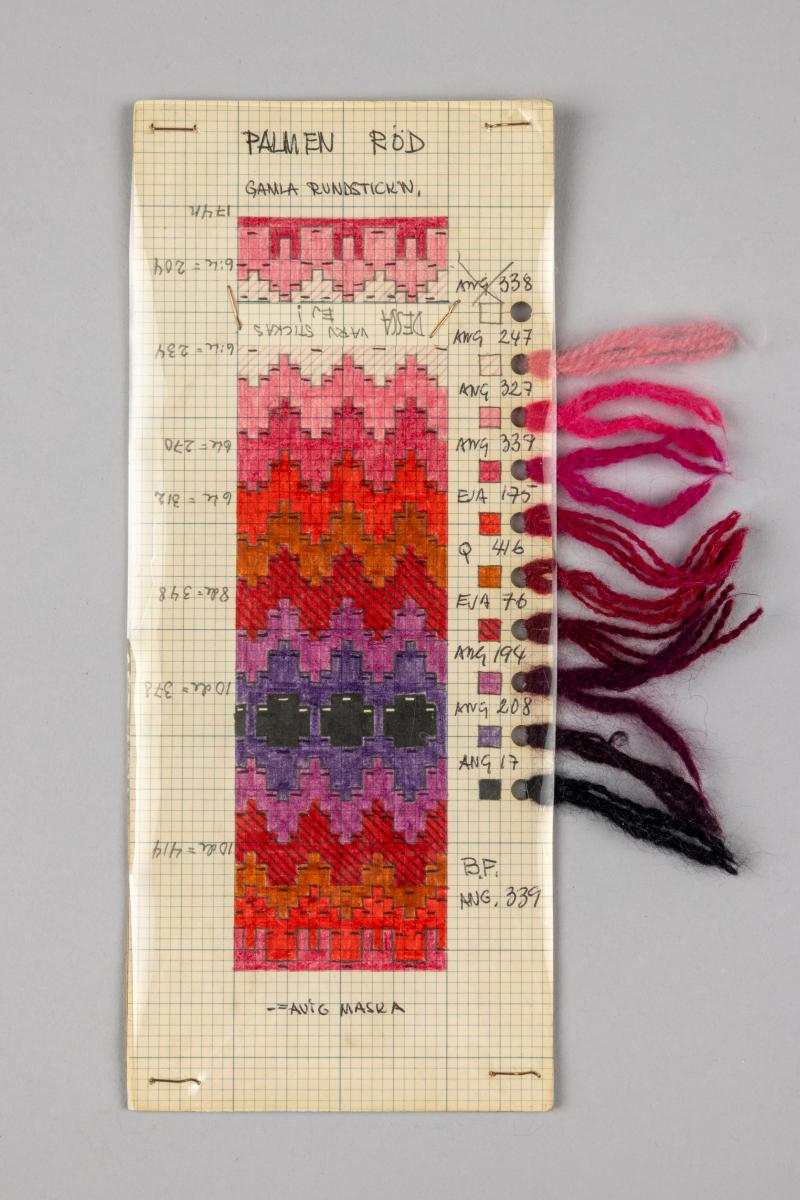
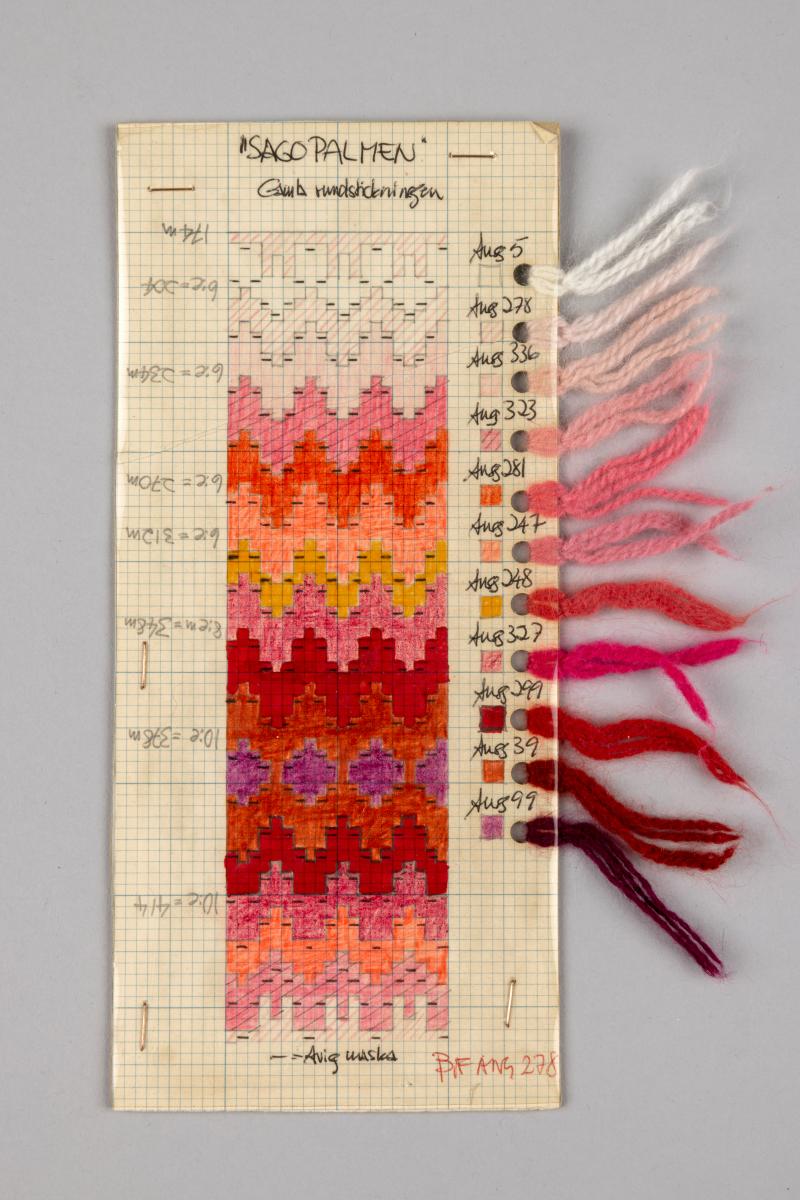
They were given wool and knitted samples with combinations of patterns. After careful assessment, work descriptions and patterns were described in colourful squares and had wool samples attached. Emma Jacobsson participated in the production of patterns. Many of the ones she developed were based on museum studies, including at the Museum of Ethnography and Röhsska Museum in Göteborg. They were given names that hinted at their sources.
Over the years, Bohus stickning and its products participated in a great number of exhibitions at museums and exclusive department stores. One example of this is that Bohus stickning participated in the World’s Fair in New York in 1964.
The number of those who were active in the association varied; in the first six years, almost 500 knitters were trained. In 1947 the association had 870 members, while in 1968 the number of active members was 205. A number of factors contributed to the changes, which include completely different opportunities for women to earn a living in the post-war years. The patterns had become increasingly demanding to make and it was difficult to make enough money from working at home. Last, but perhaps not least, demand had declined. Times had changed and other things attracted people.
Bohus stickning closed in 1969.
Objects