Late Antique textiles
Late Antique Textiles from Egypt
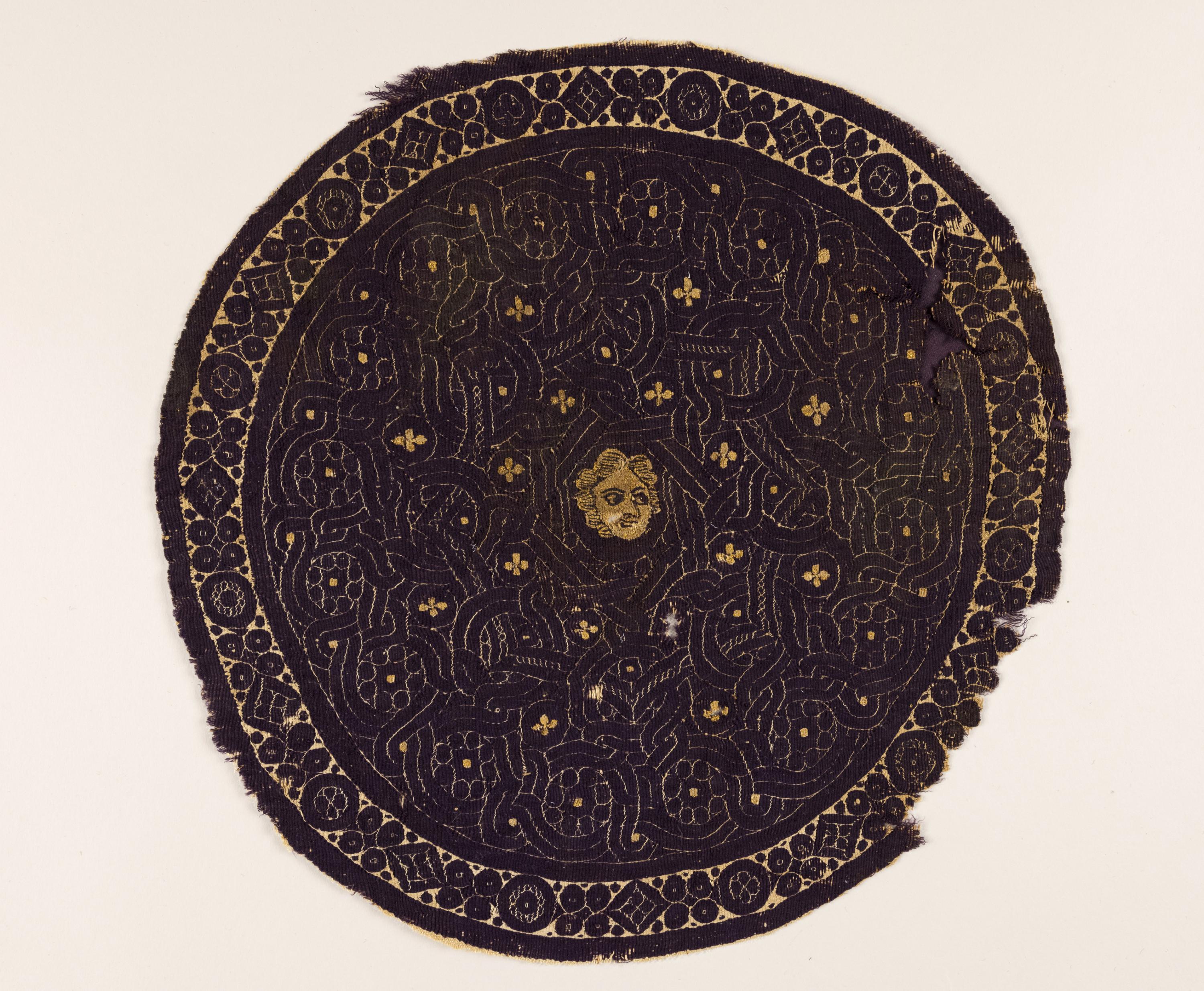
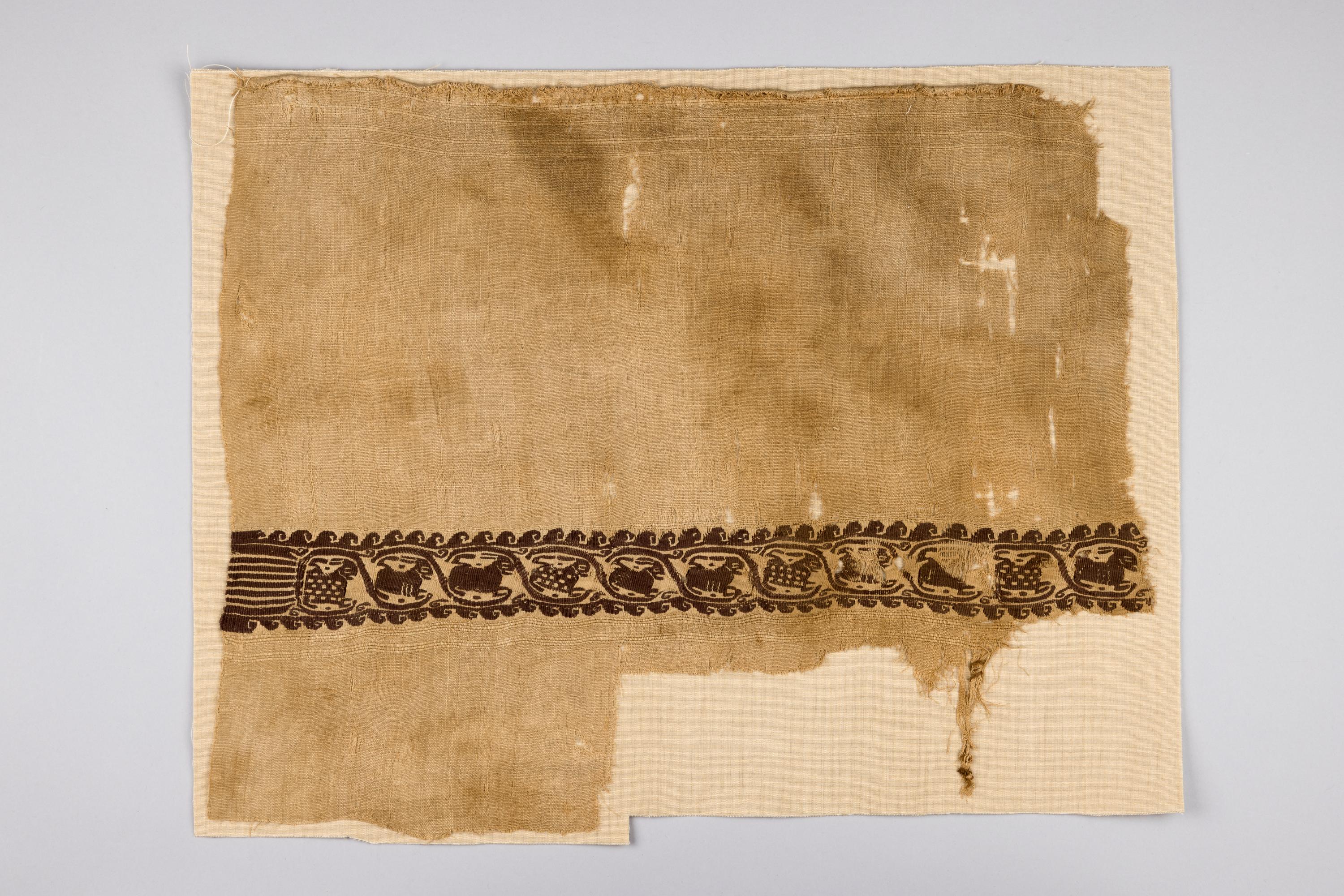
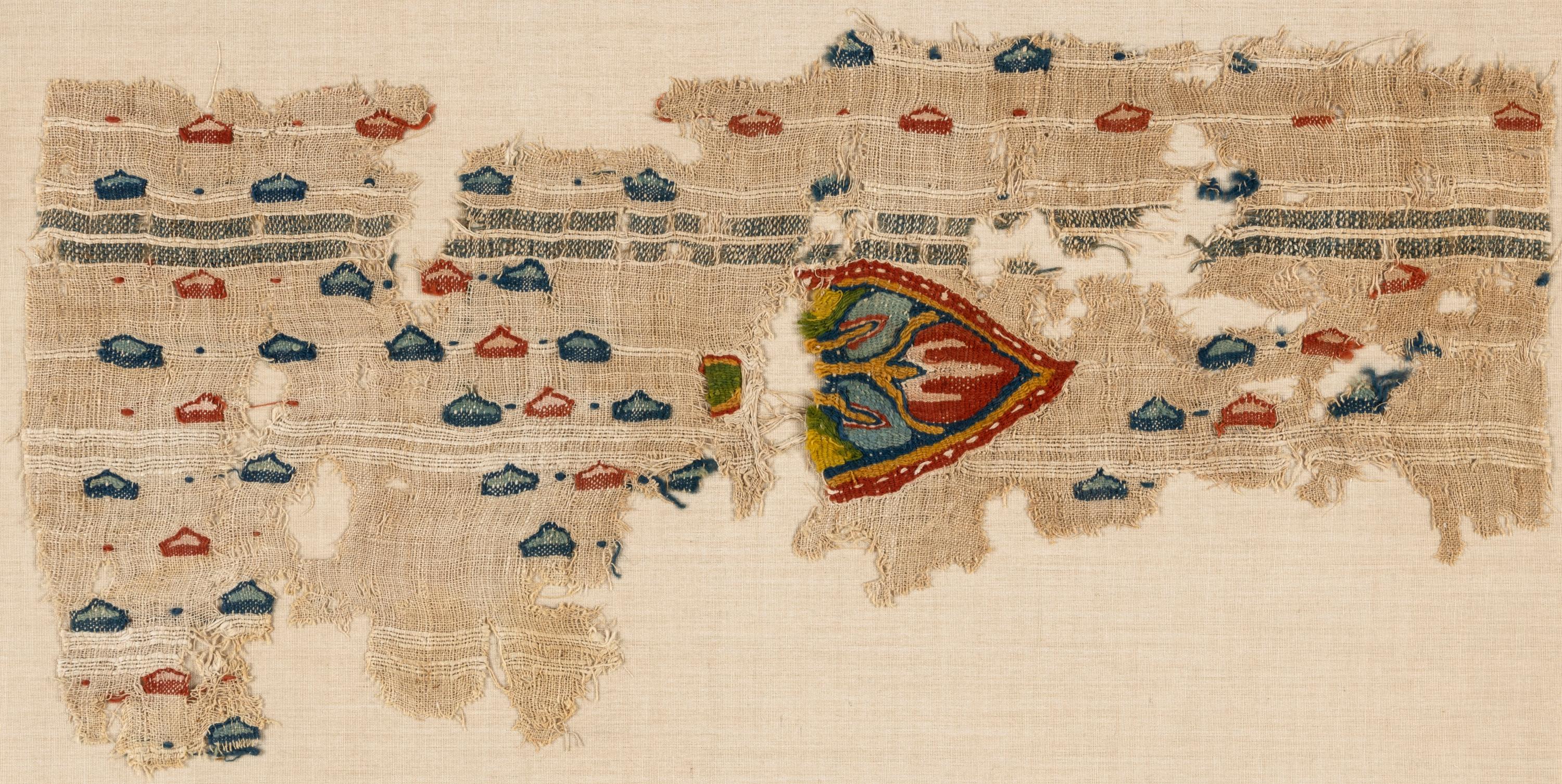
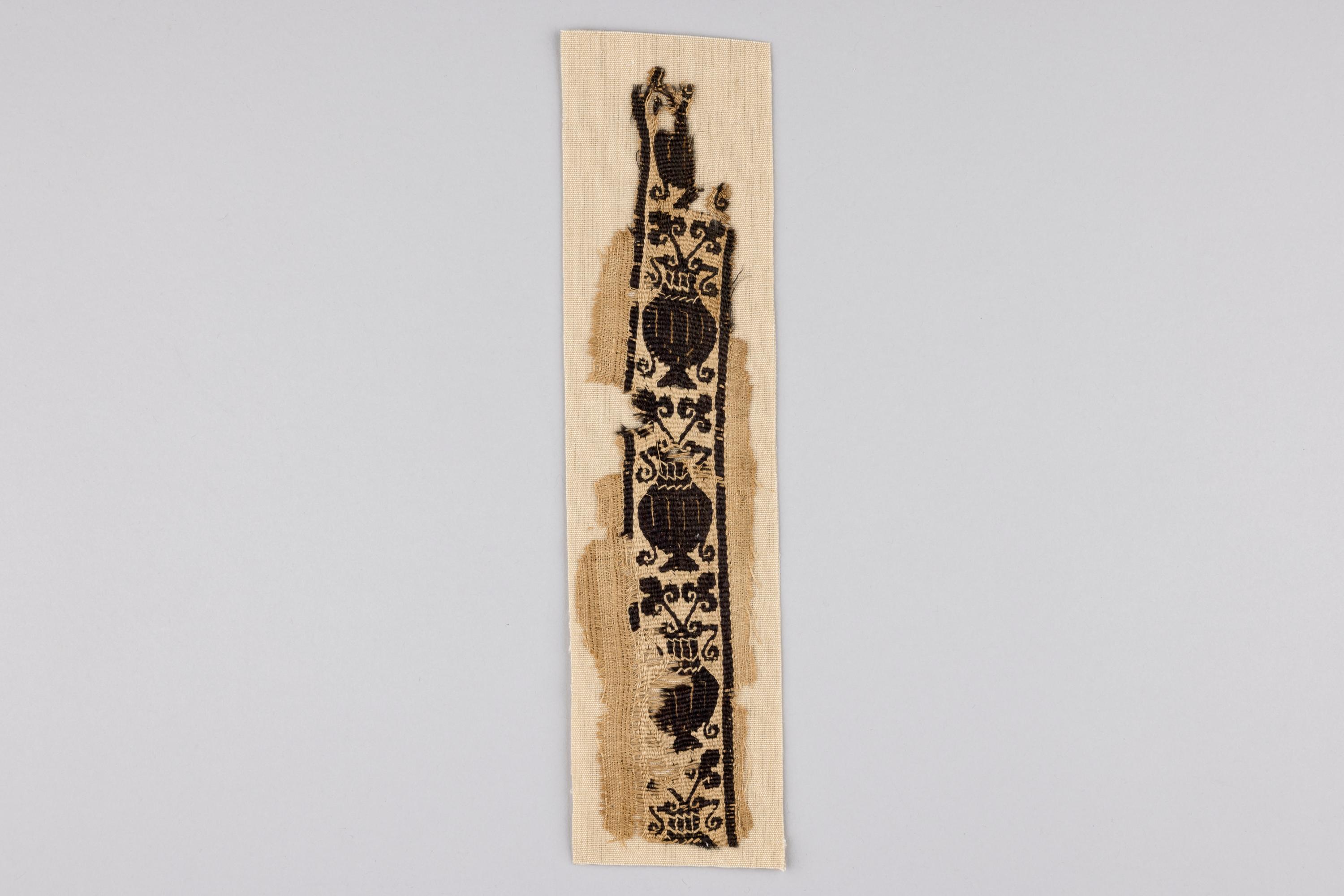
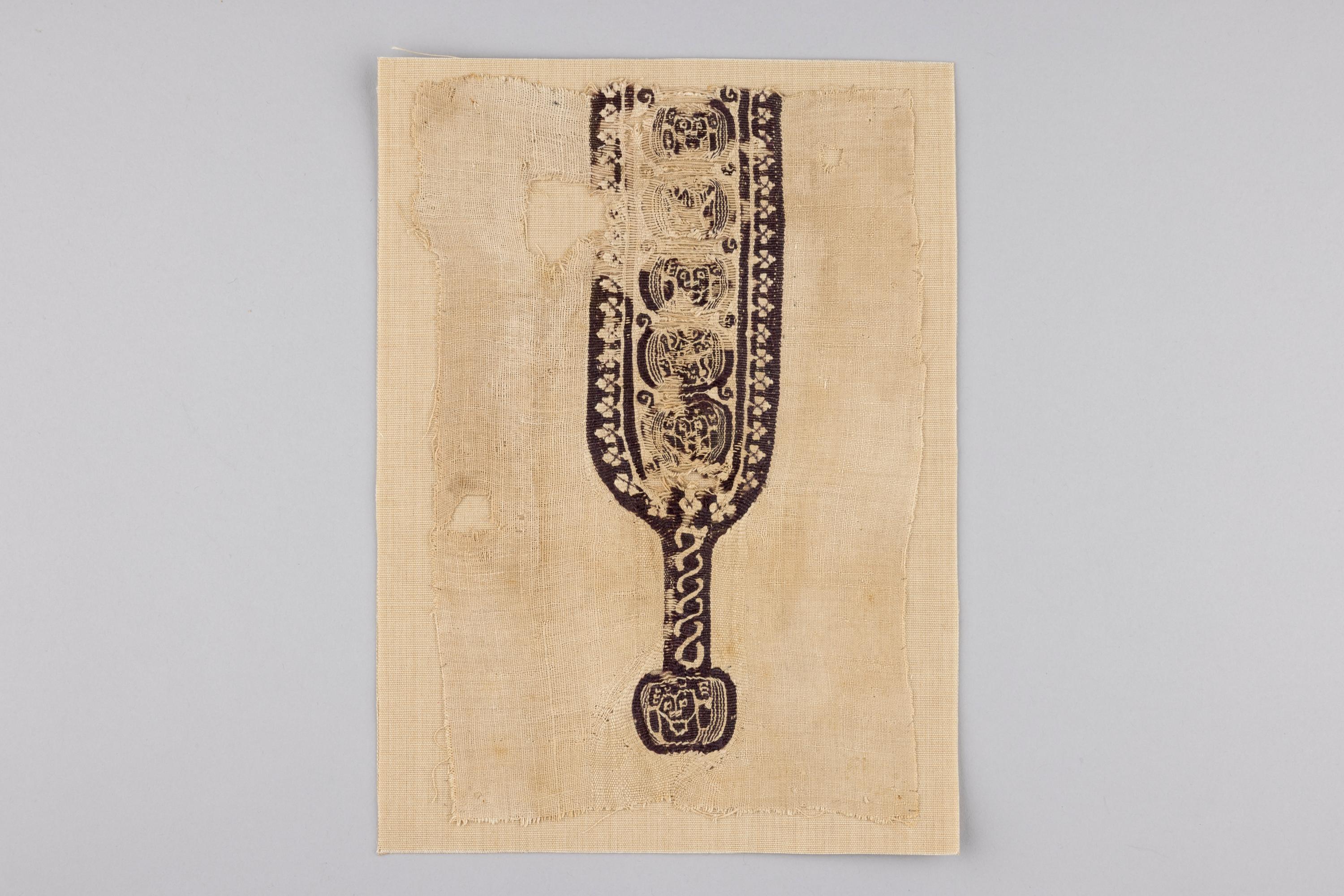
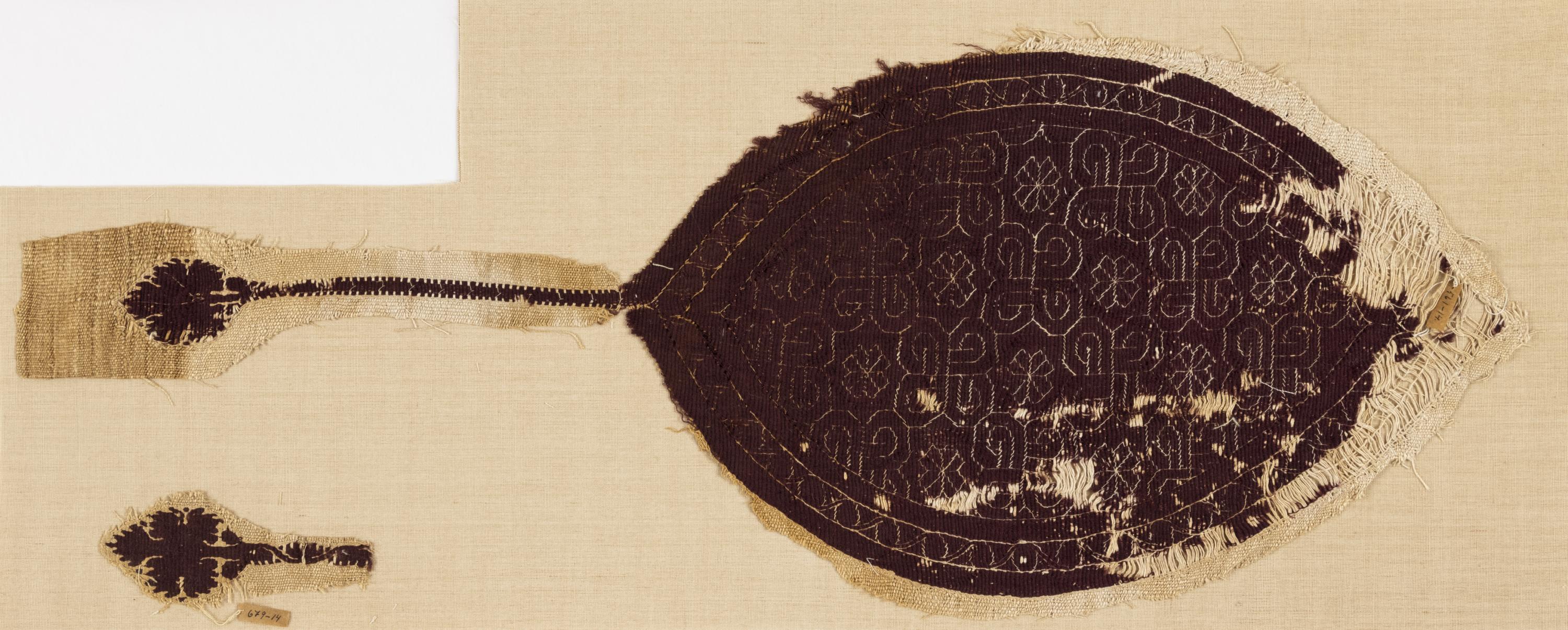
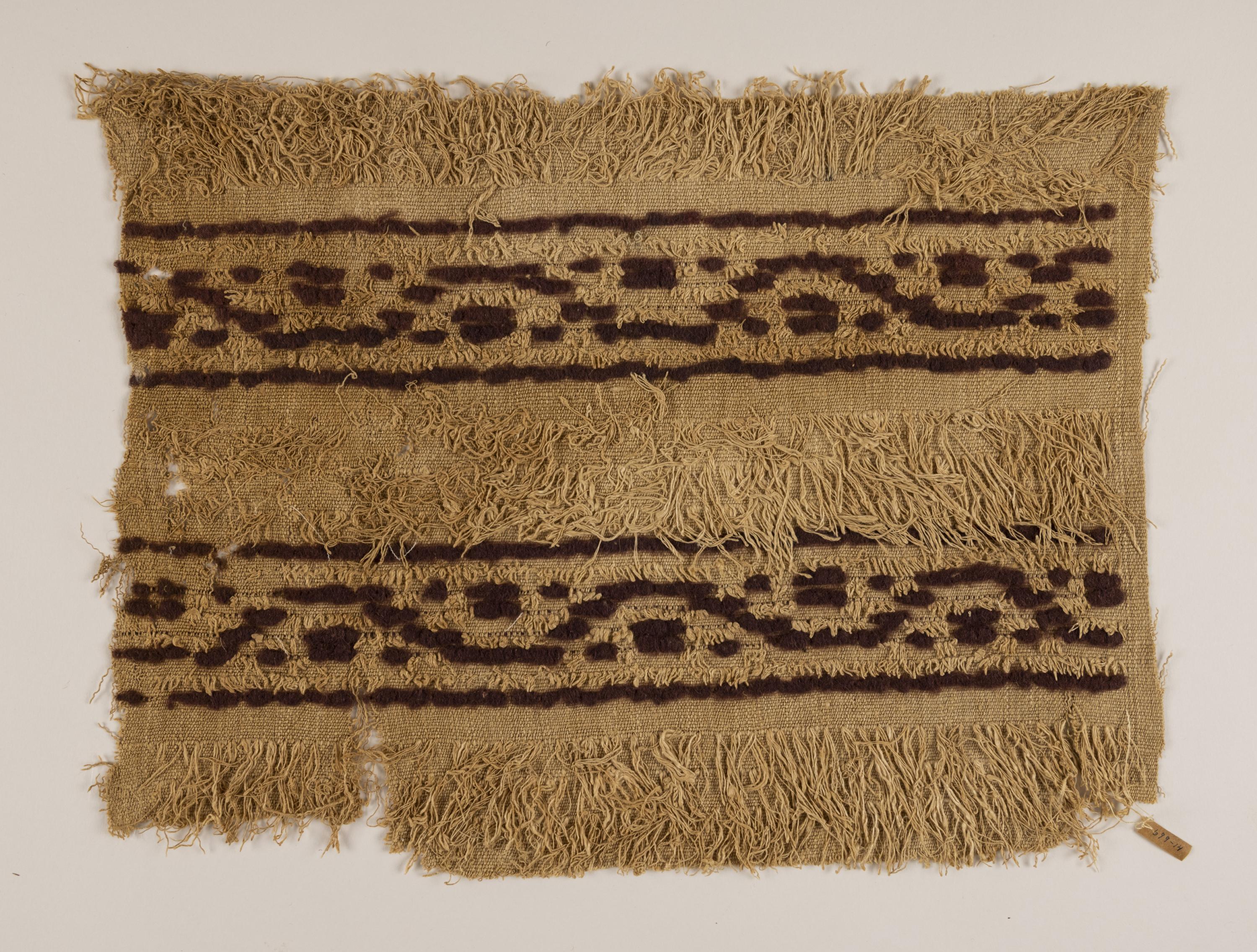
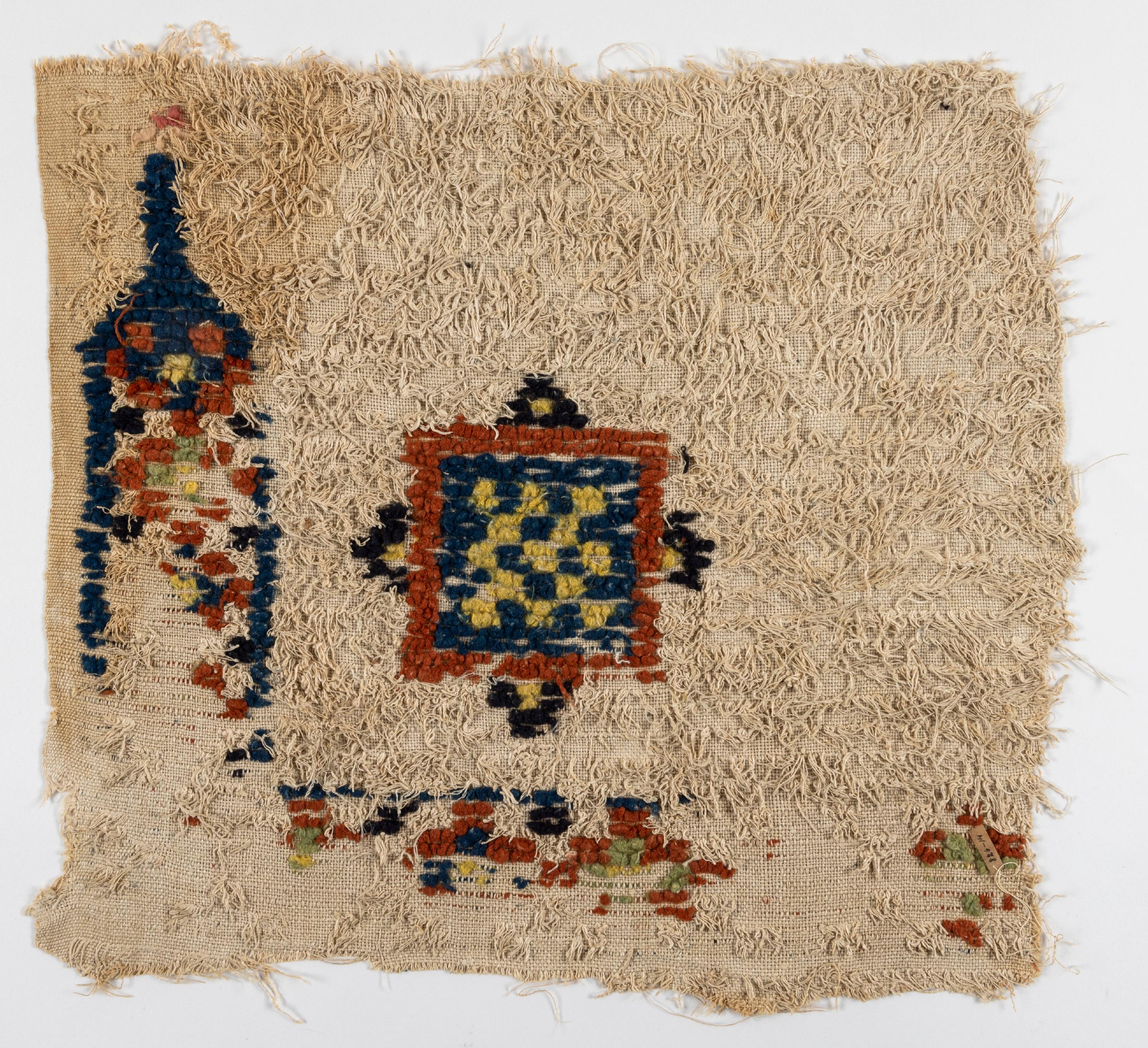
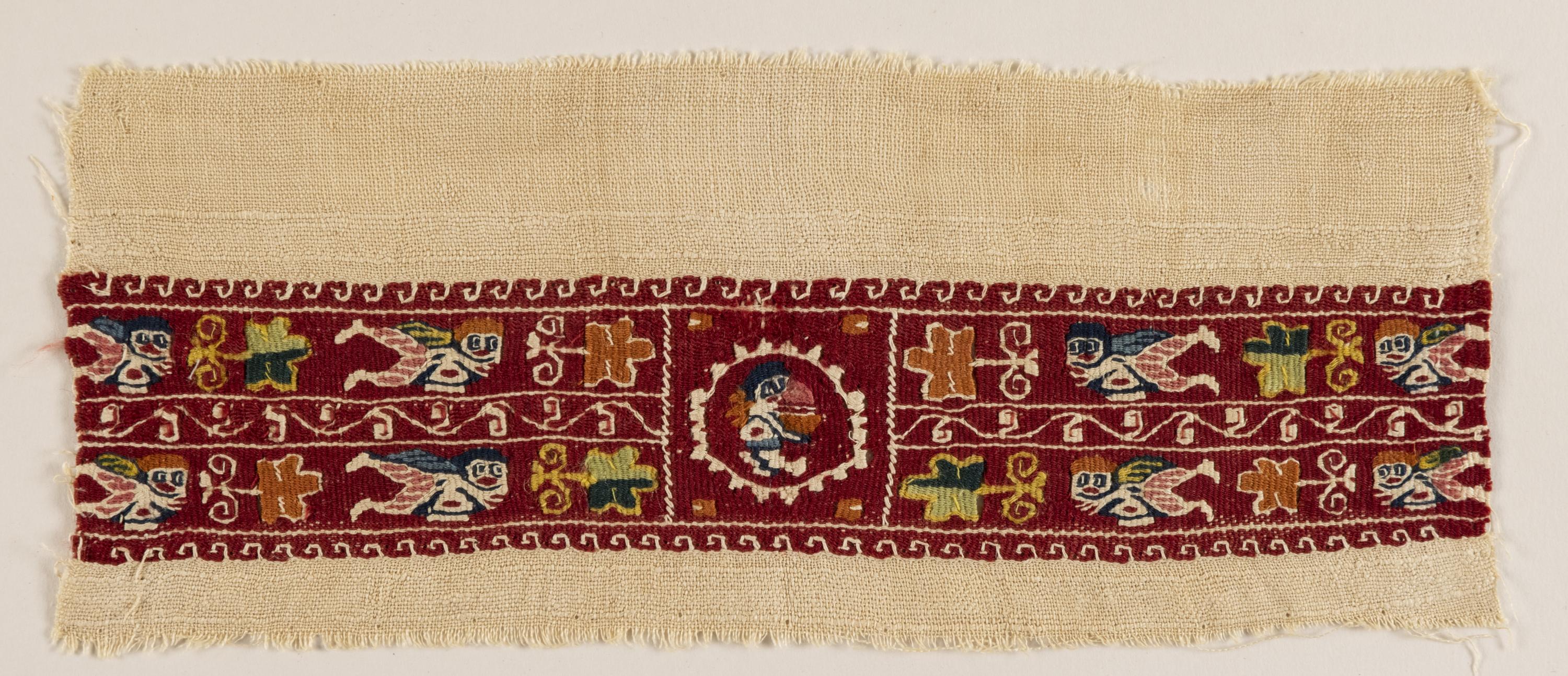
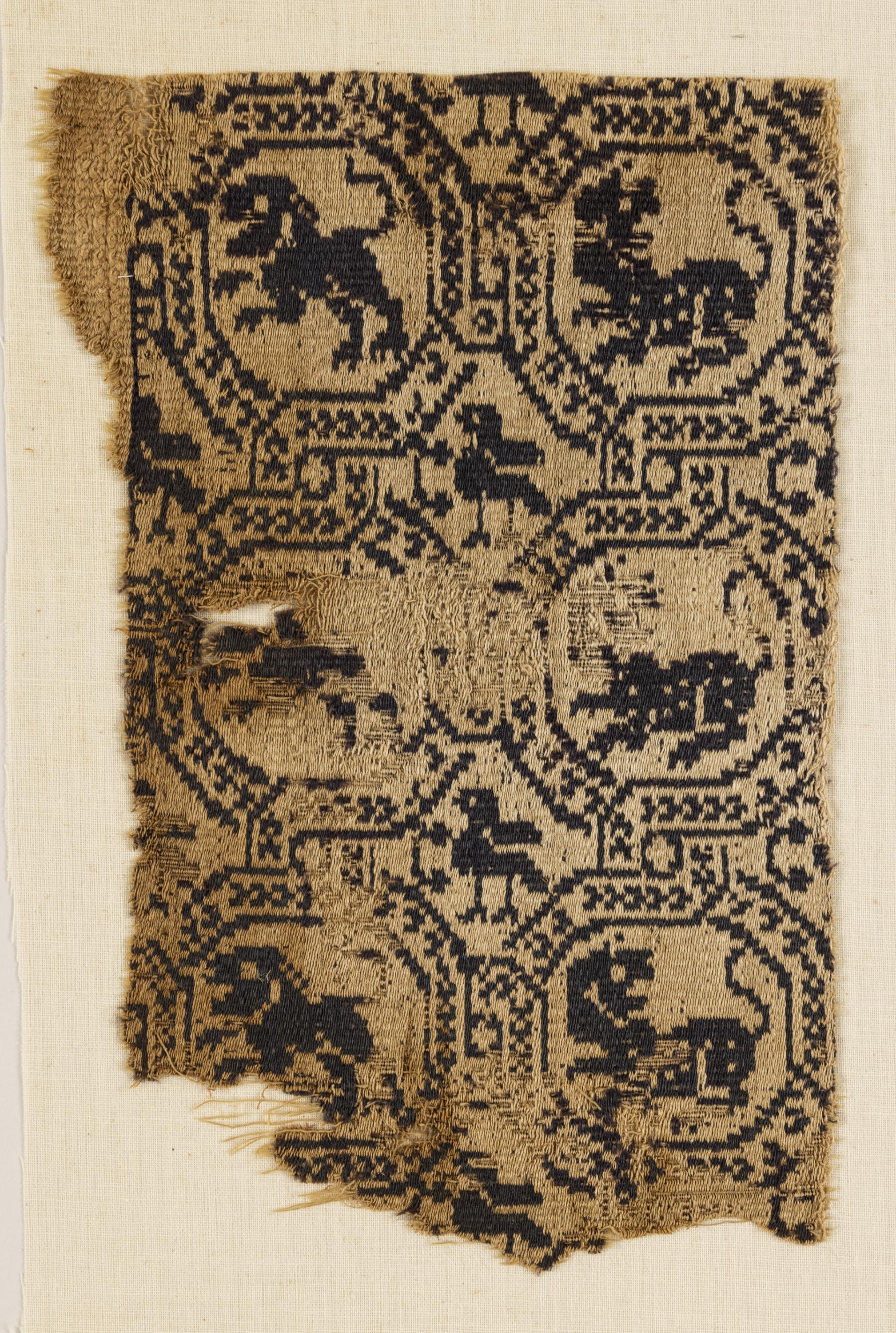
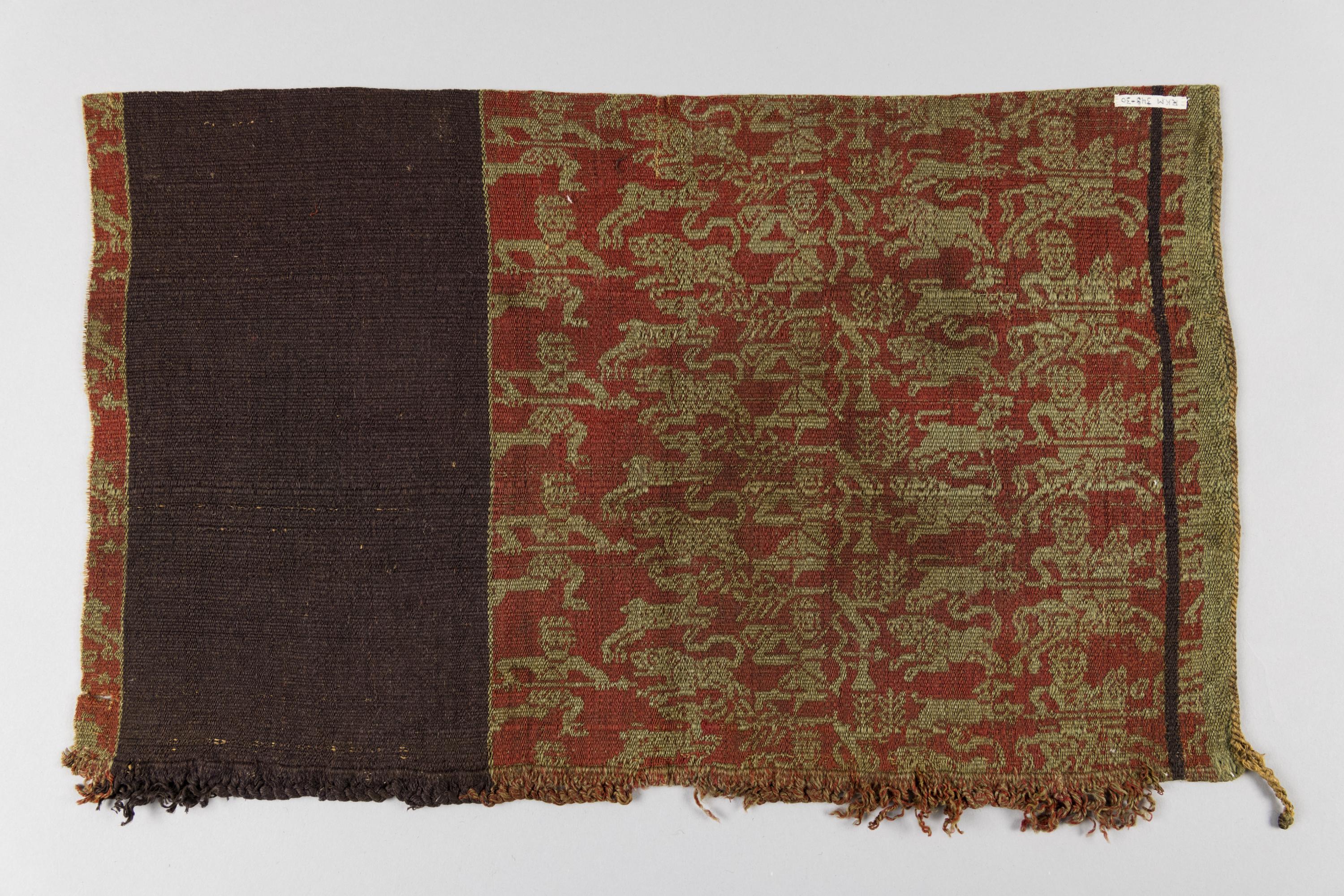
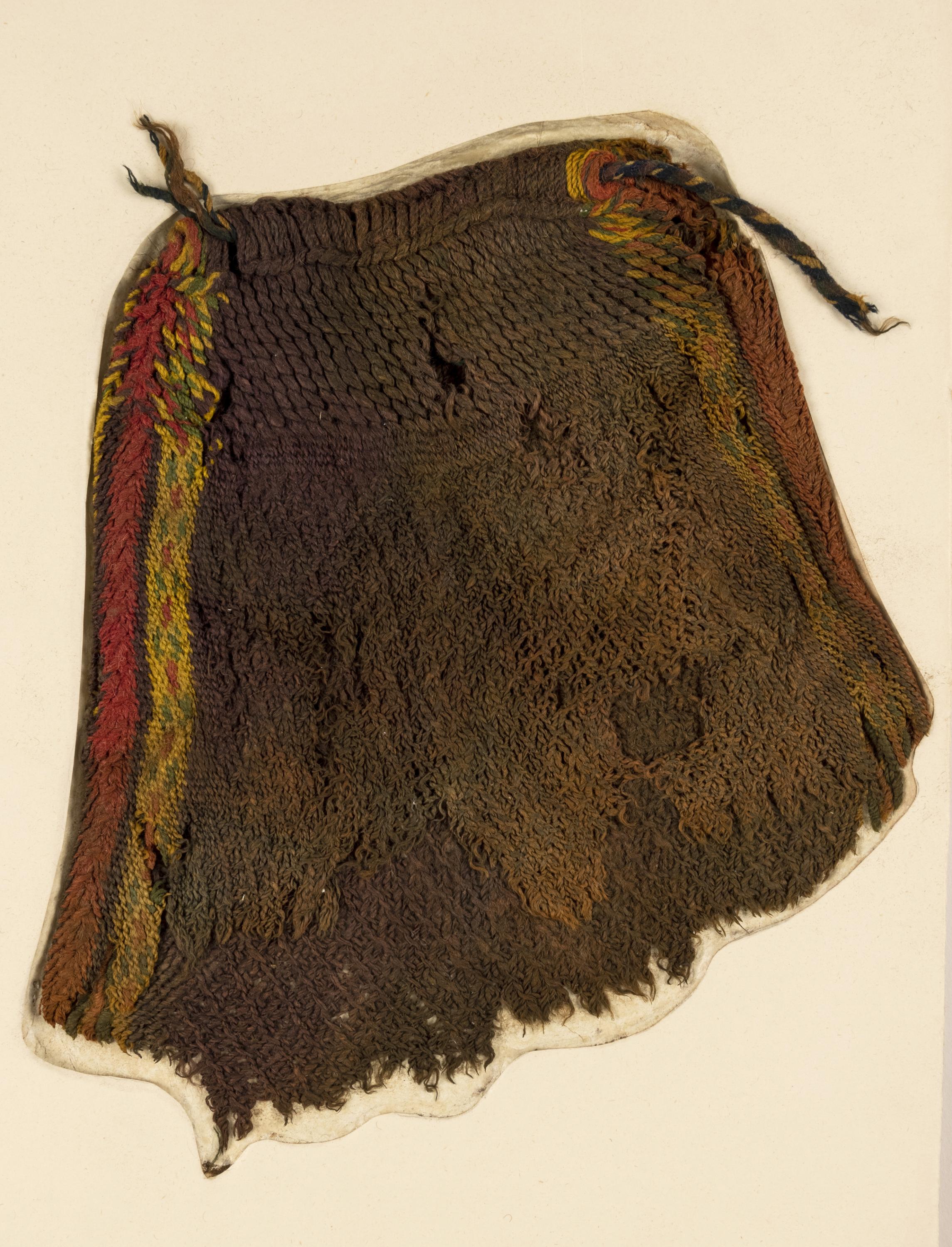
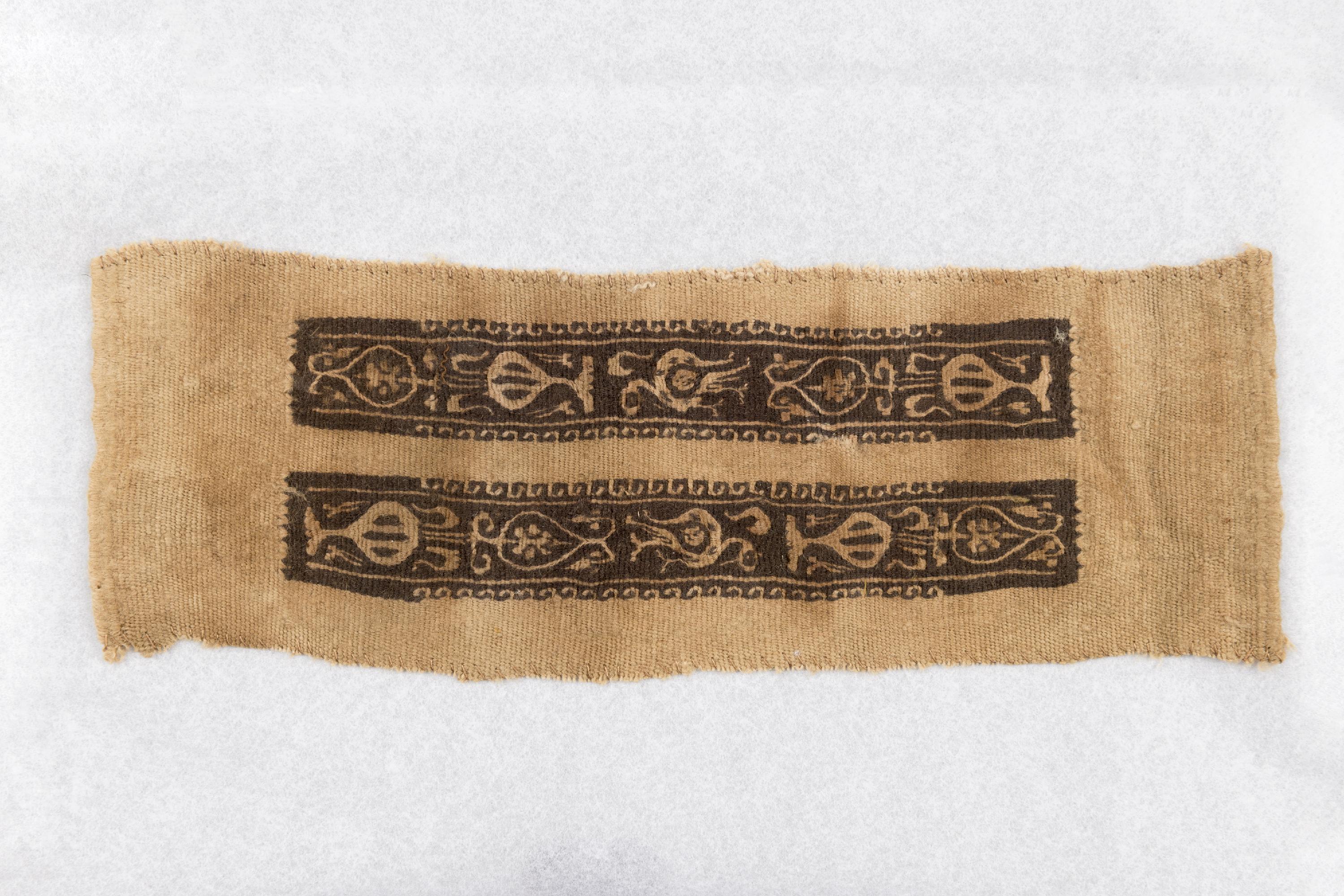
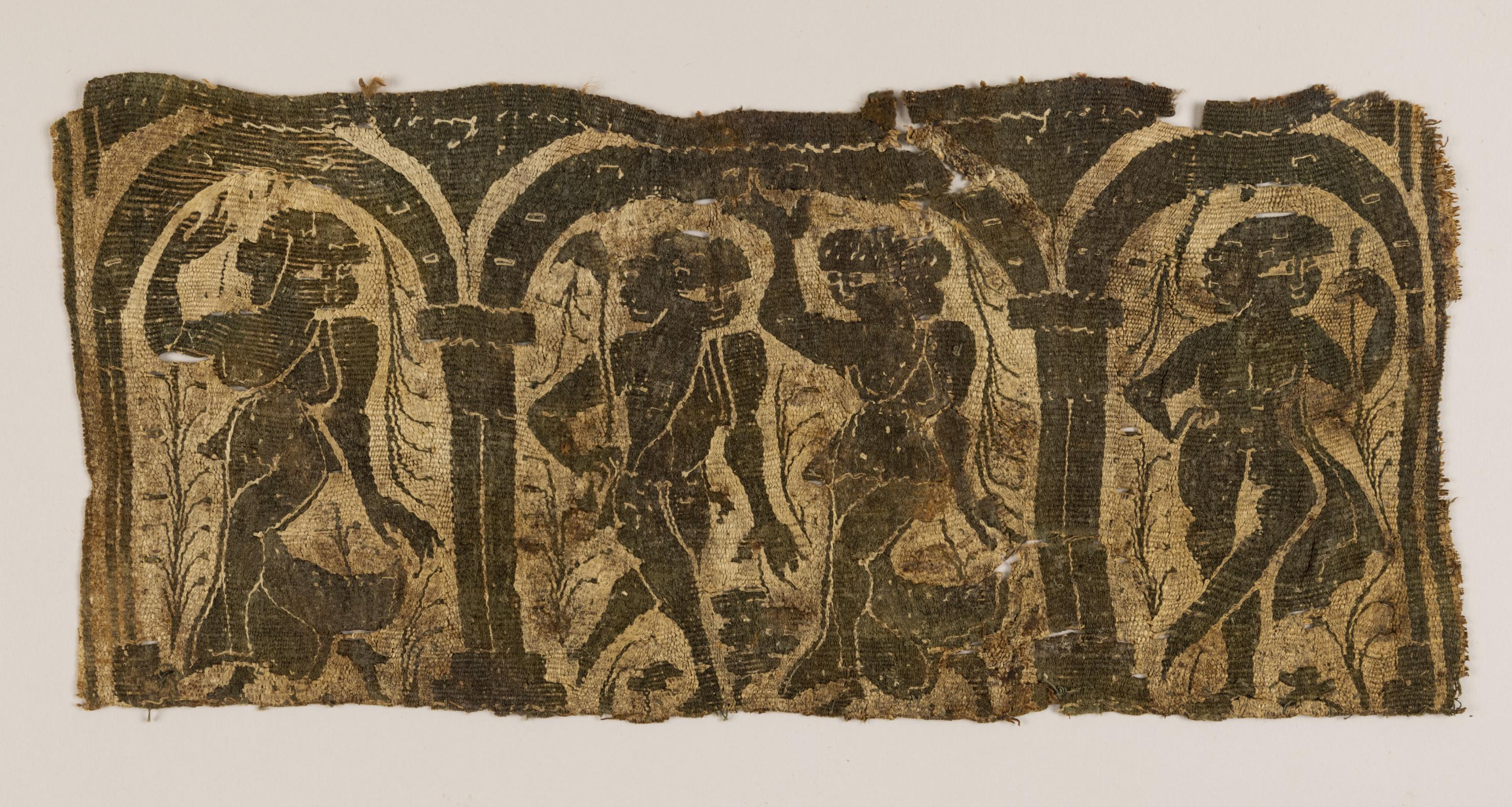
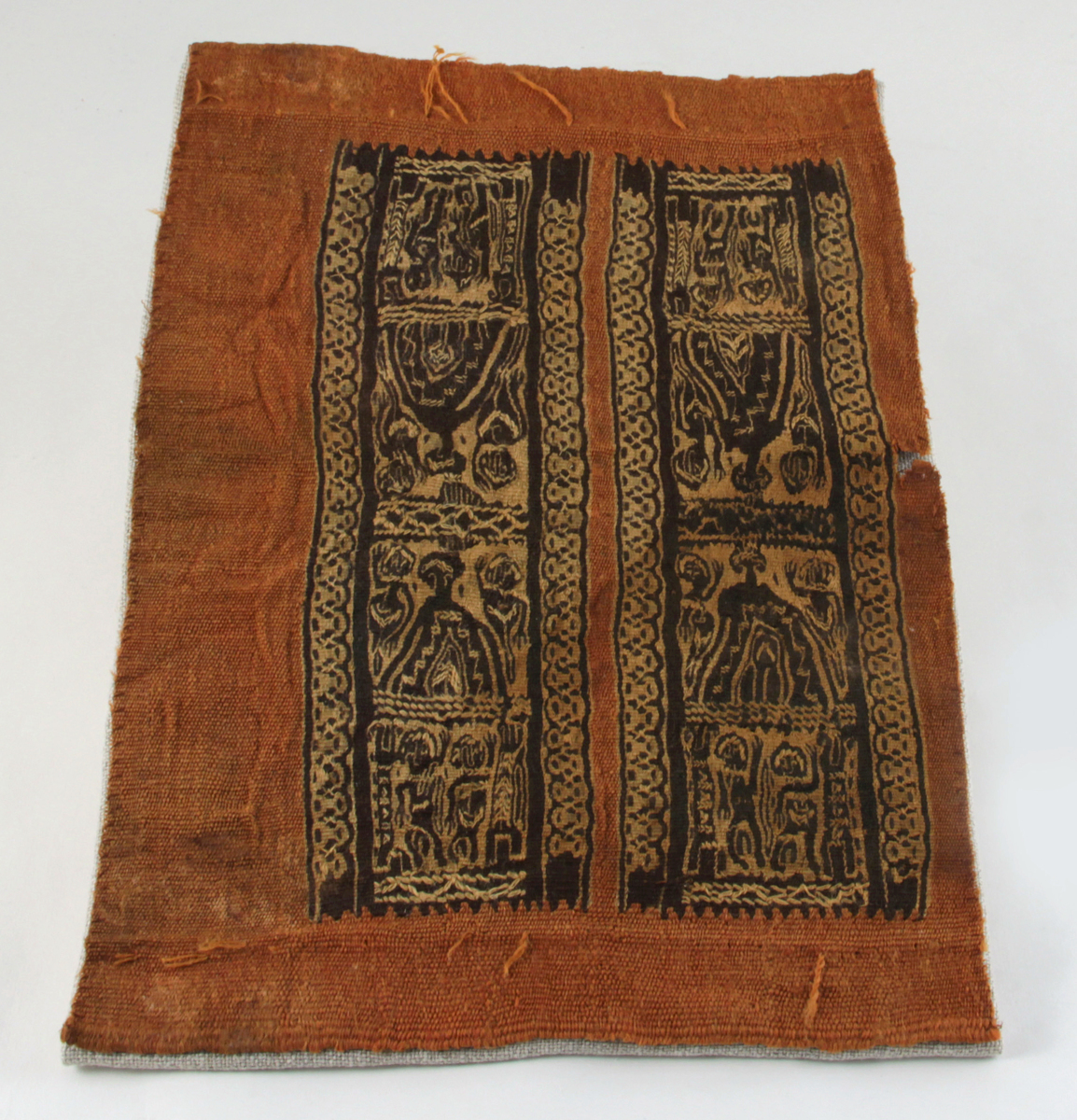
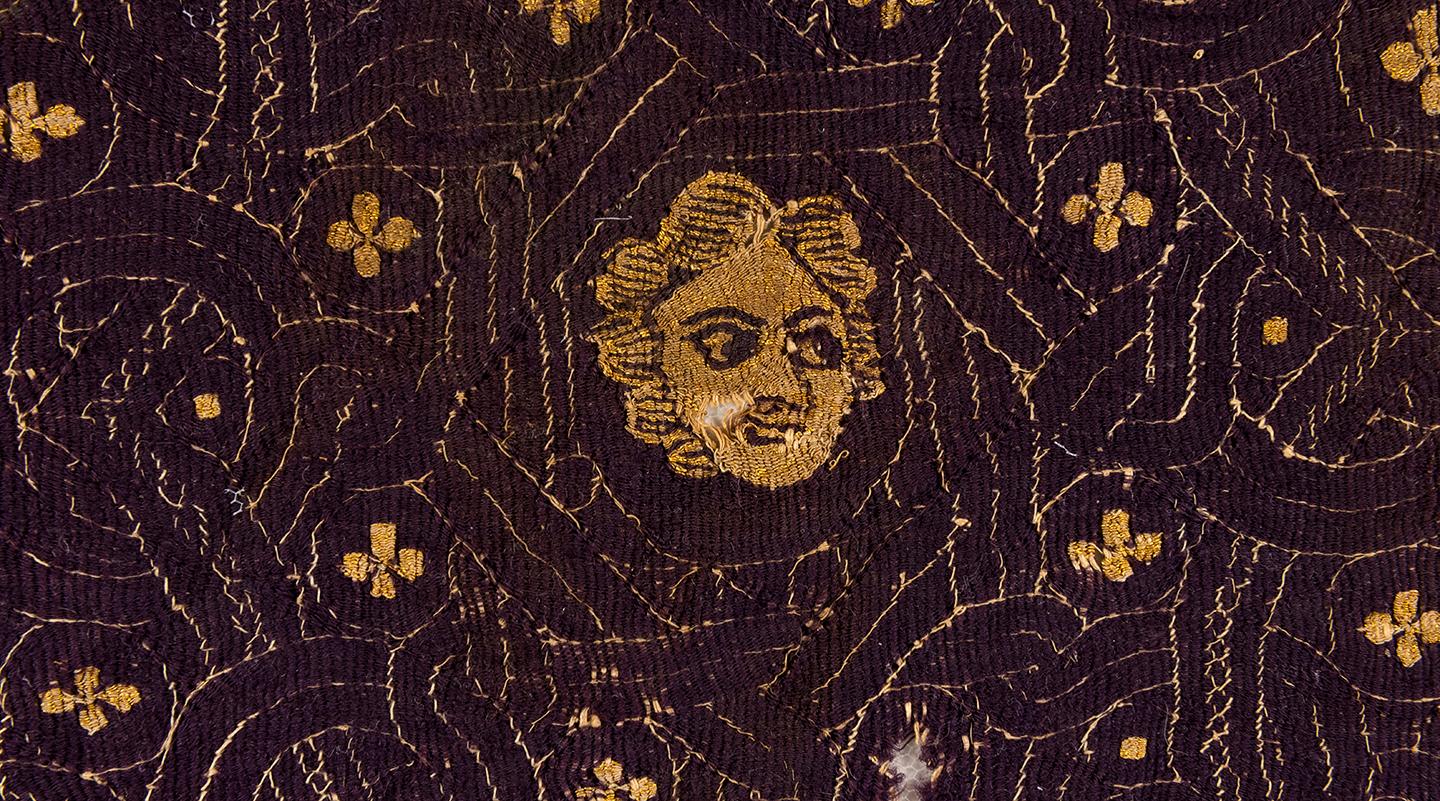
The Röhsska Museum holds one of the most extensive collections of Late Antique textiles from Egypt in the Nordic region. The collection comprises around 700 objects, mainly fragments of garments and furnishing fabrics dated to approximately 300–800 CE.
Most pieces are woven in linen and wool, with decorative sections executed in tapestry weave. Their motifs reflect a rich blend of Greco-Roman, Egyptian, and early Christian traditions – stylised animals, plants, and geometric ornaments that once adorned tunics and household textiles.
The collection was formed in the early 20th century, at a time when European fascination with ancient Egypt – known as Egyptomania – led to the widespread dispersal of Egyptian artefacts to museums and private collections. The textiles entered the Röhsska Museum through art and antiquities dealers, often as fragments cut from larger pieces, which means that much of their original context is lost.
Today, ongoing research in collaboration with the University of Gothenburg and international experts aims to increase knowledge of the textiles’ techniques, provenance, and cultural significance. Through scientific analyses, digital documentation, and comparative studies, the project seeks to reconnect these remarkable textiles with their historical and geographical origins.